

Tahitian Pearls
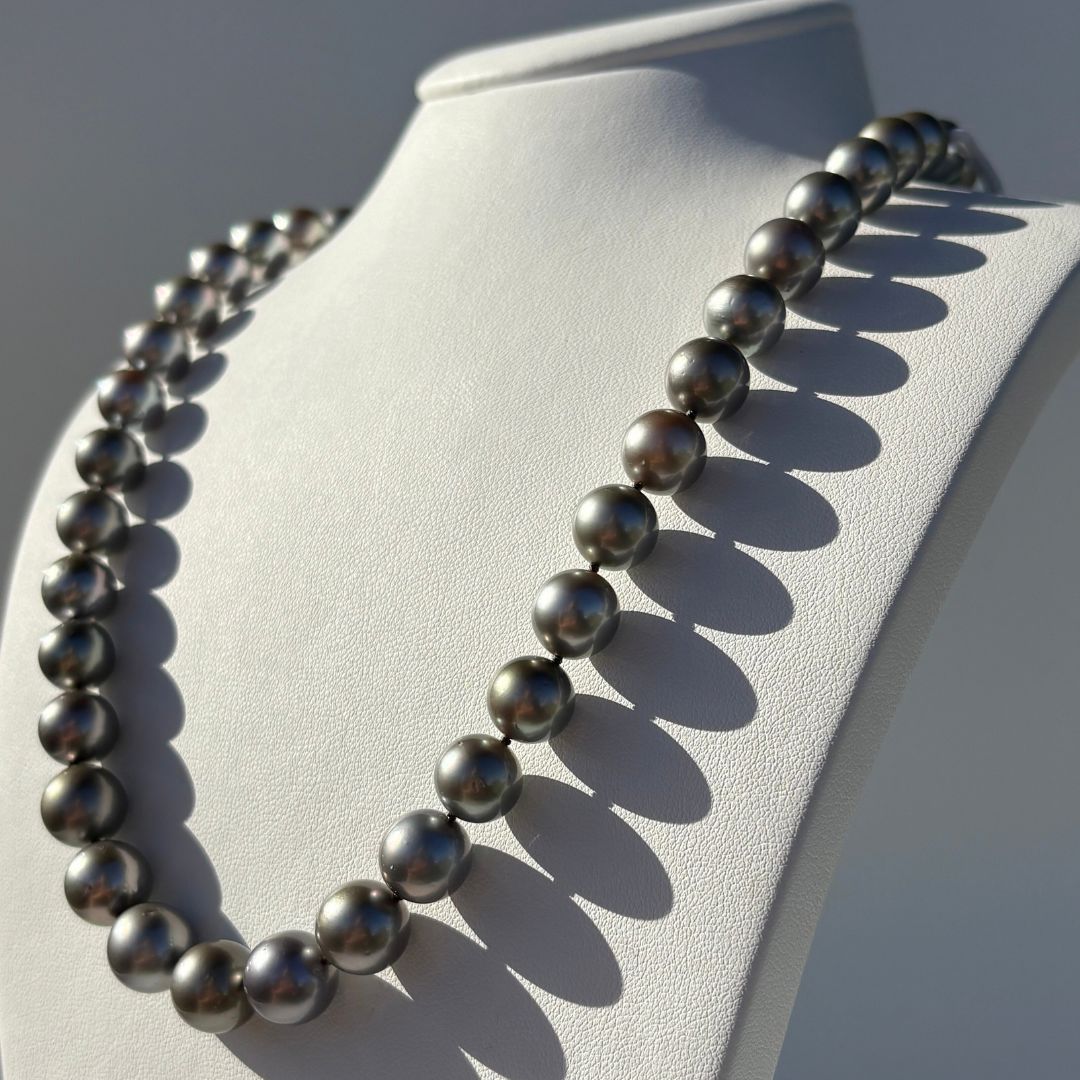
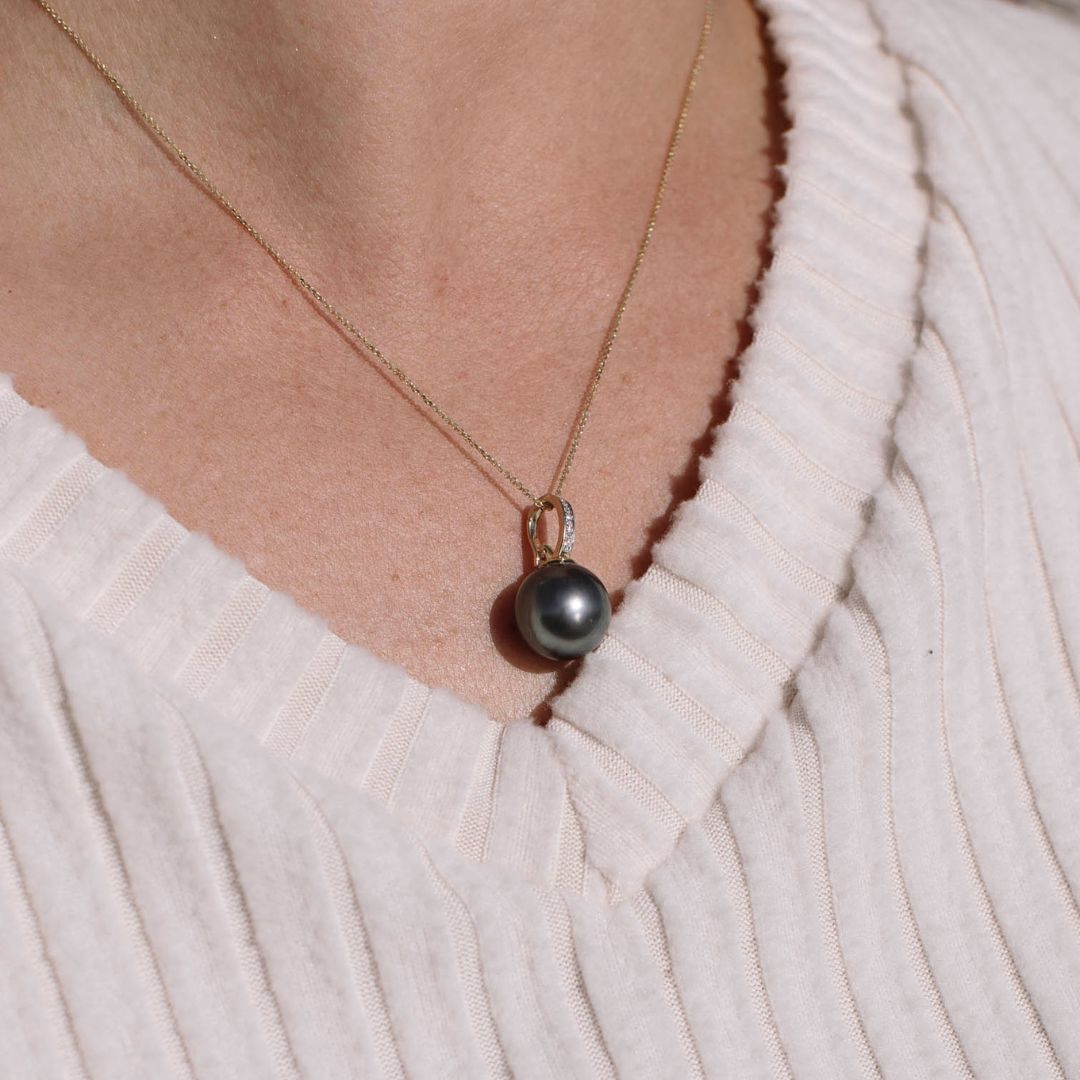
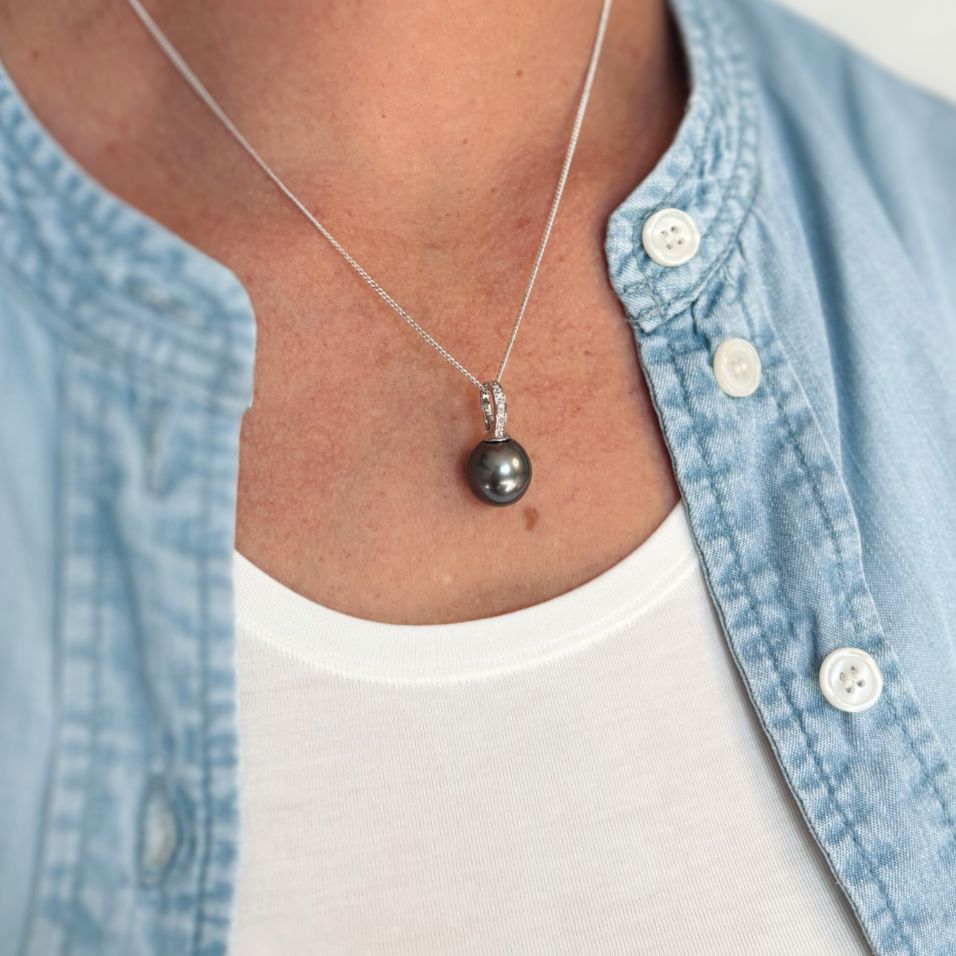
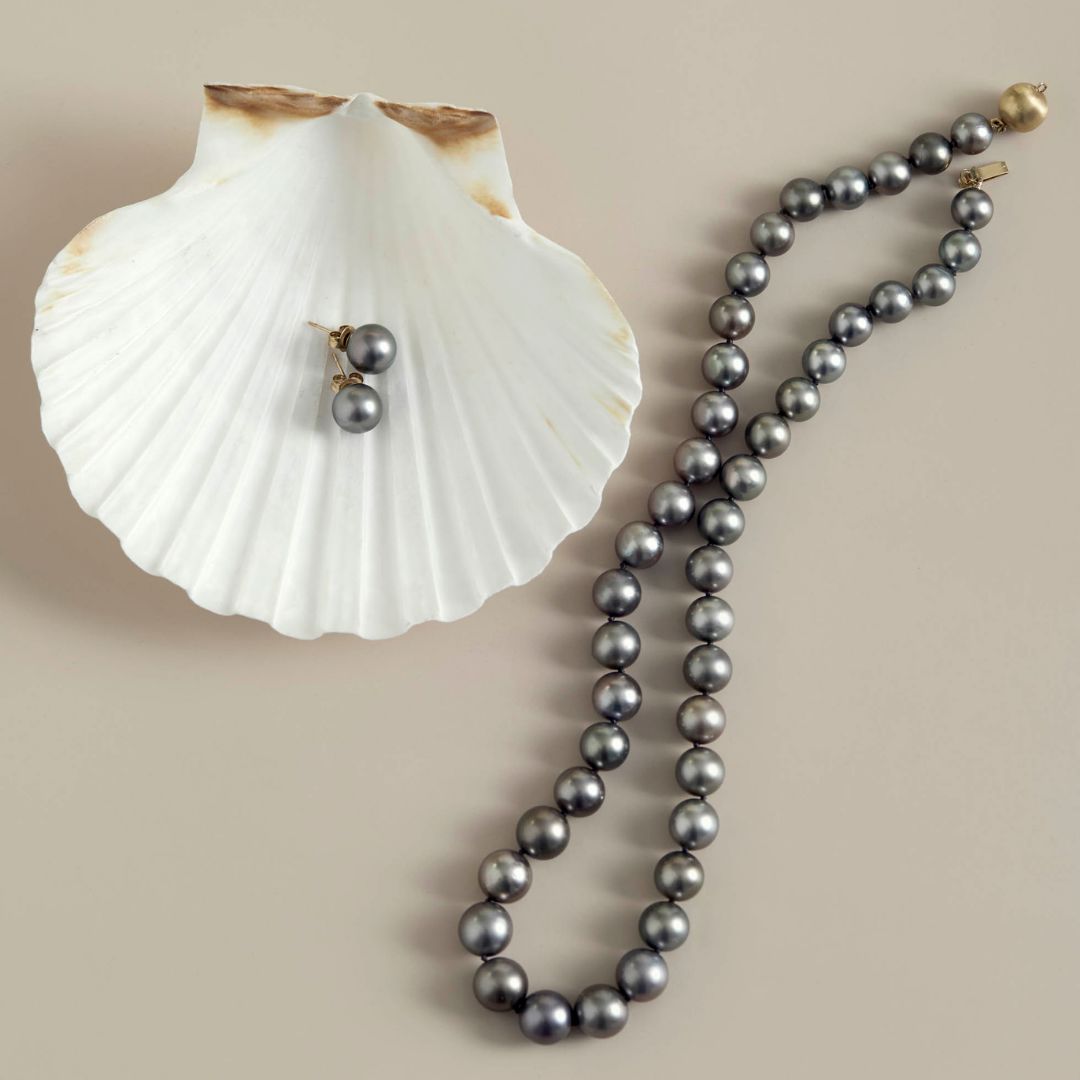
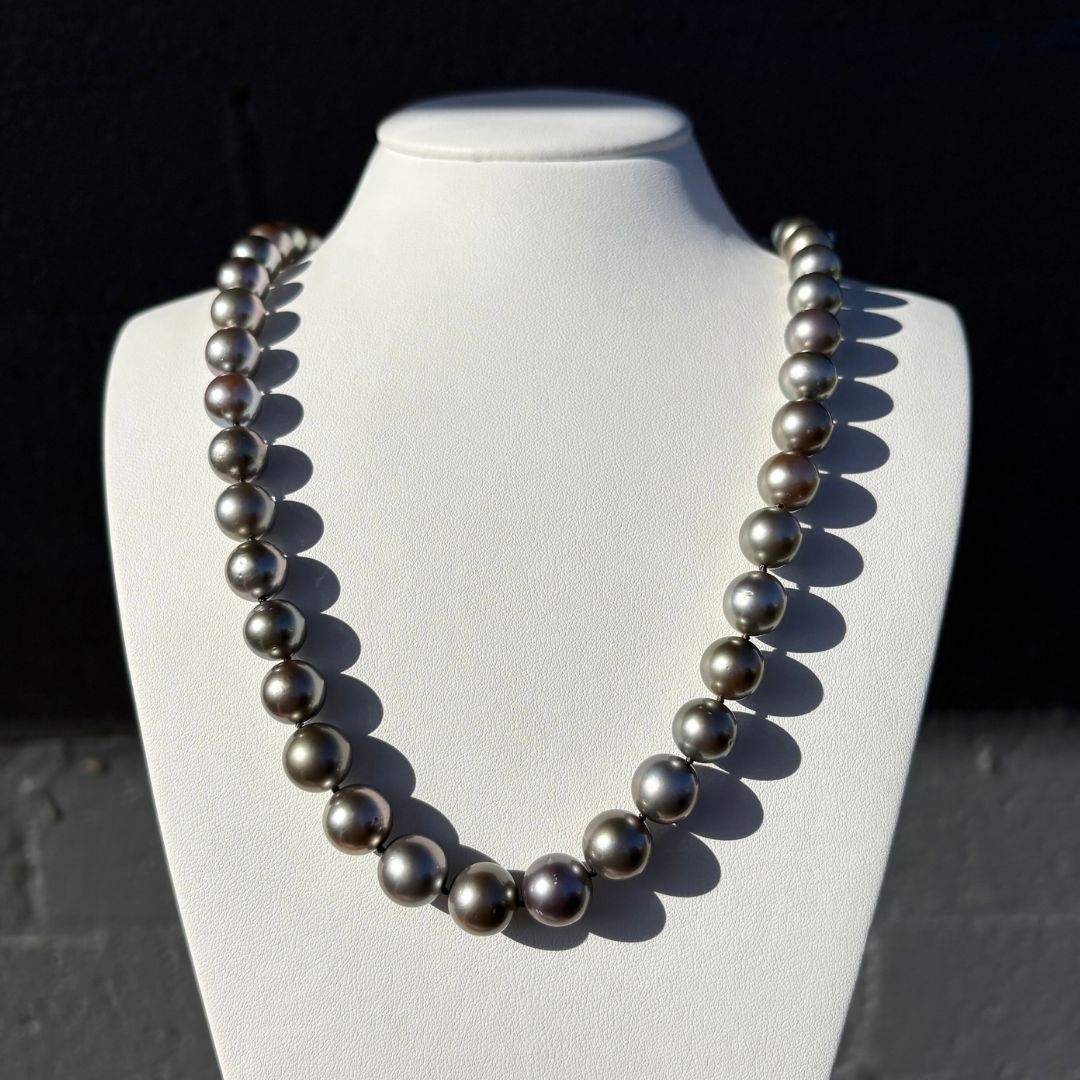
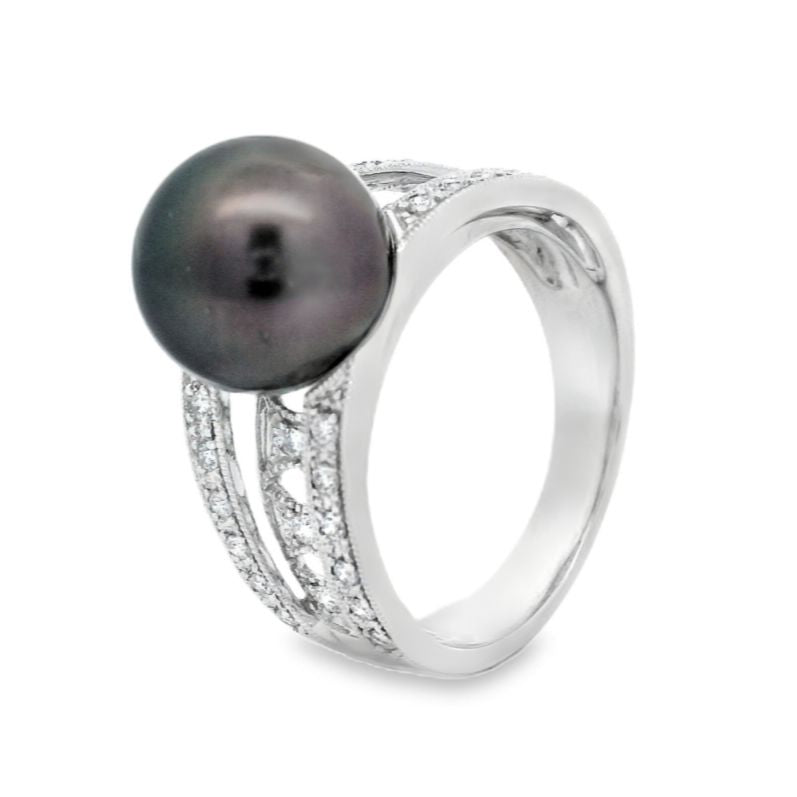
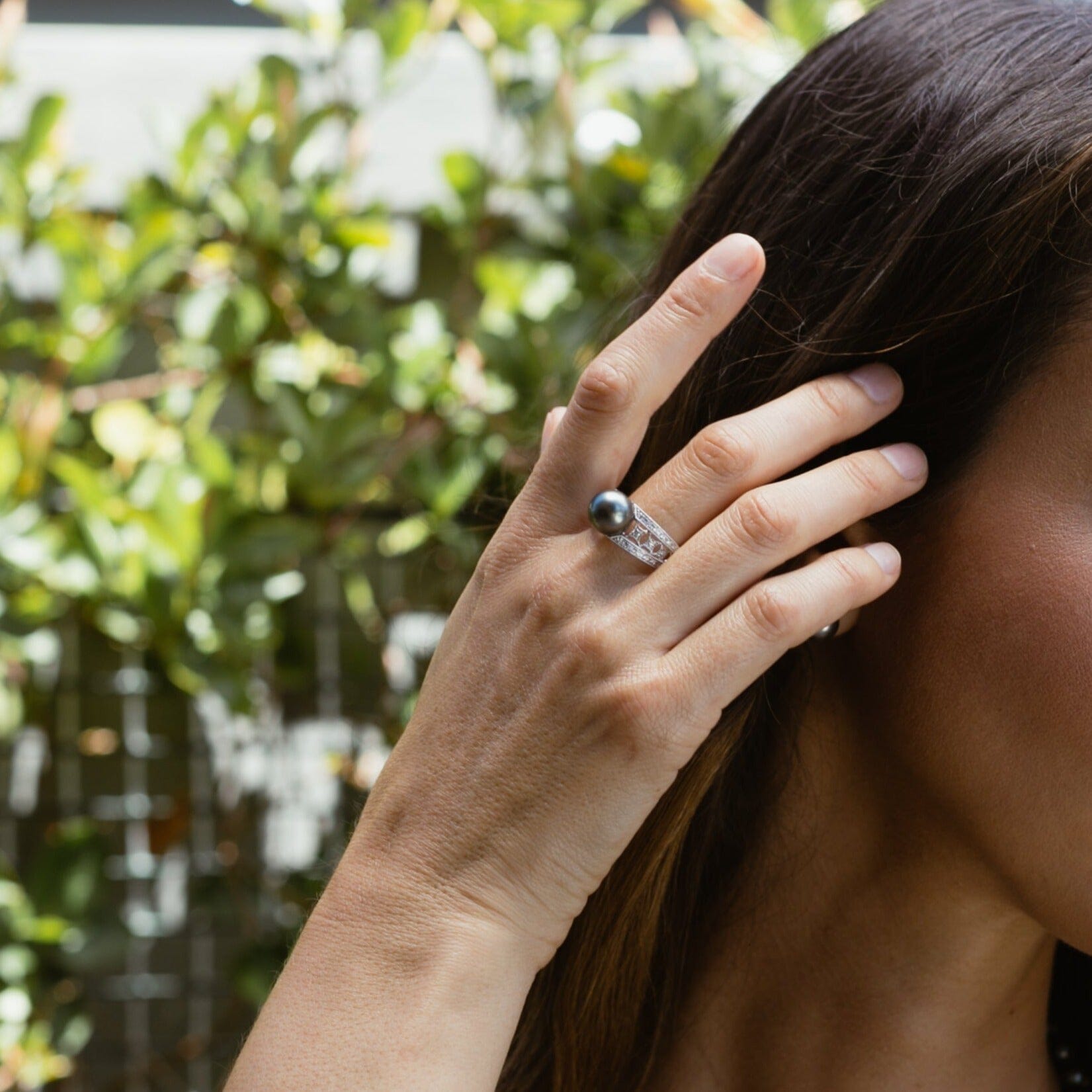
Mysterious, luminous and naturally captivating, Tahitian pearls are celebrated for their deep natural colours and extraordinary iridescence.
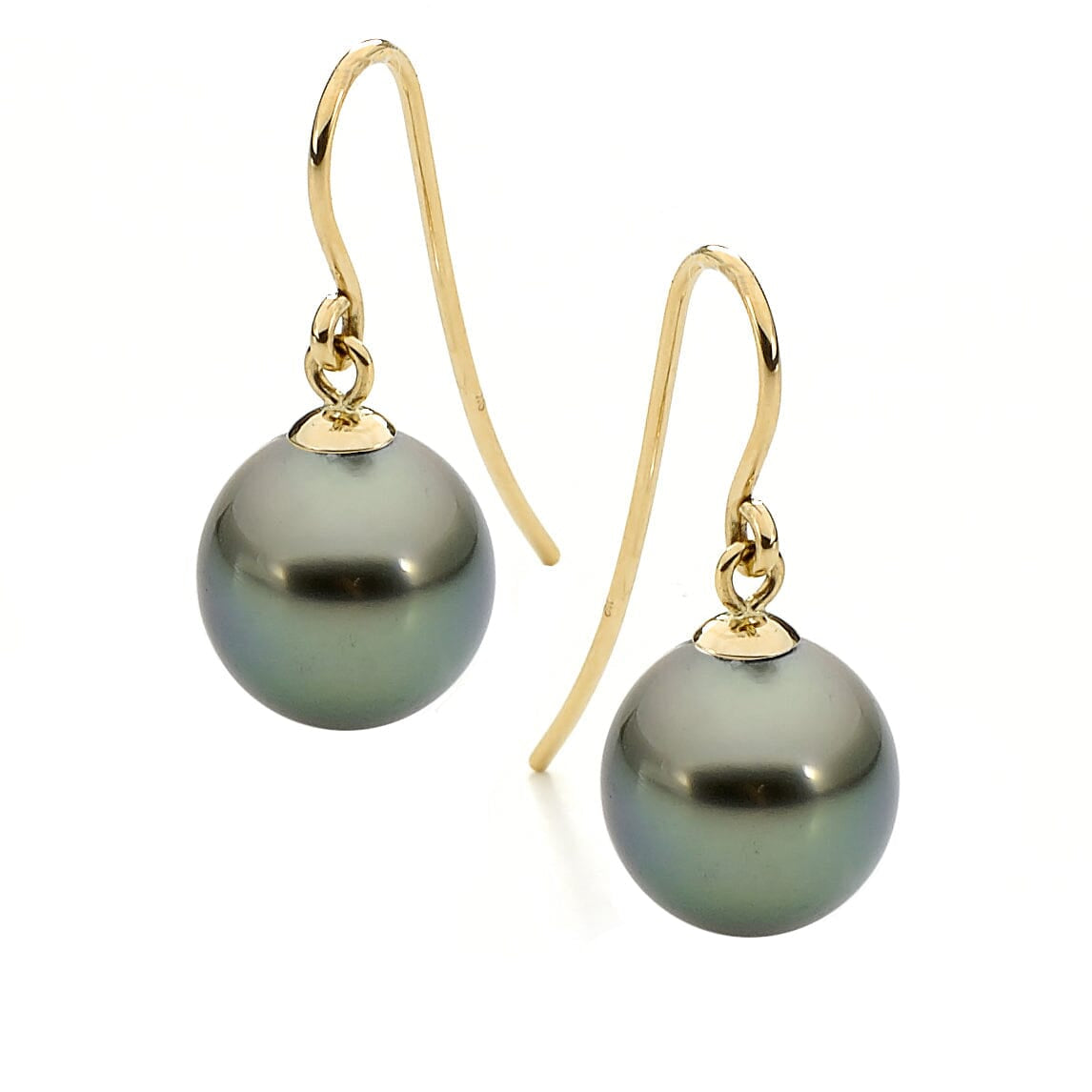
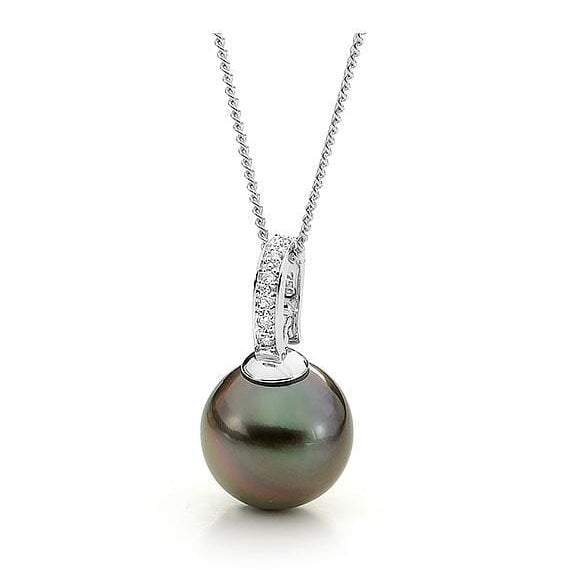
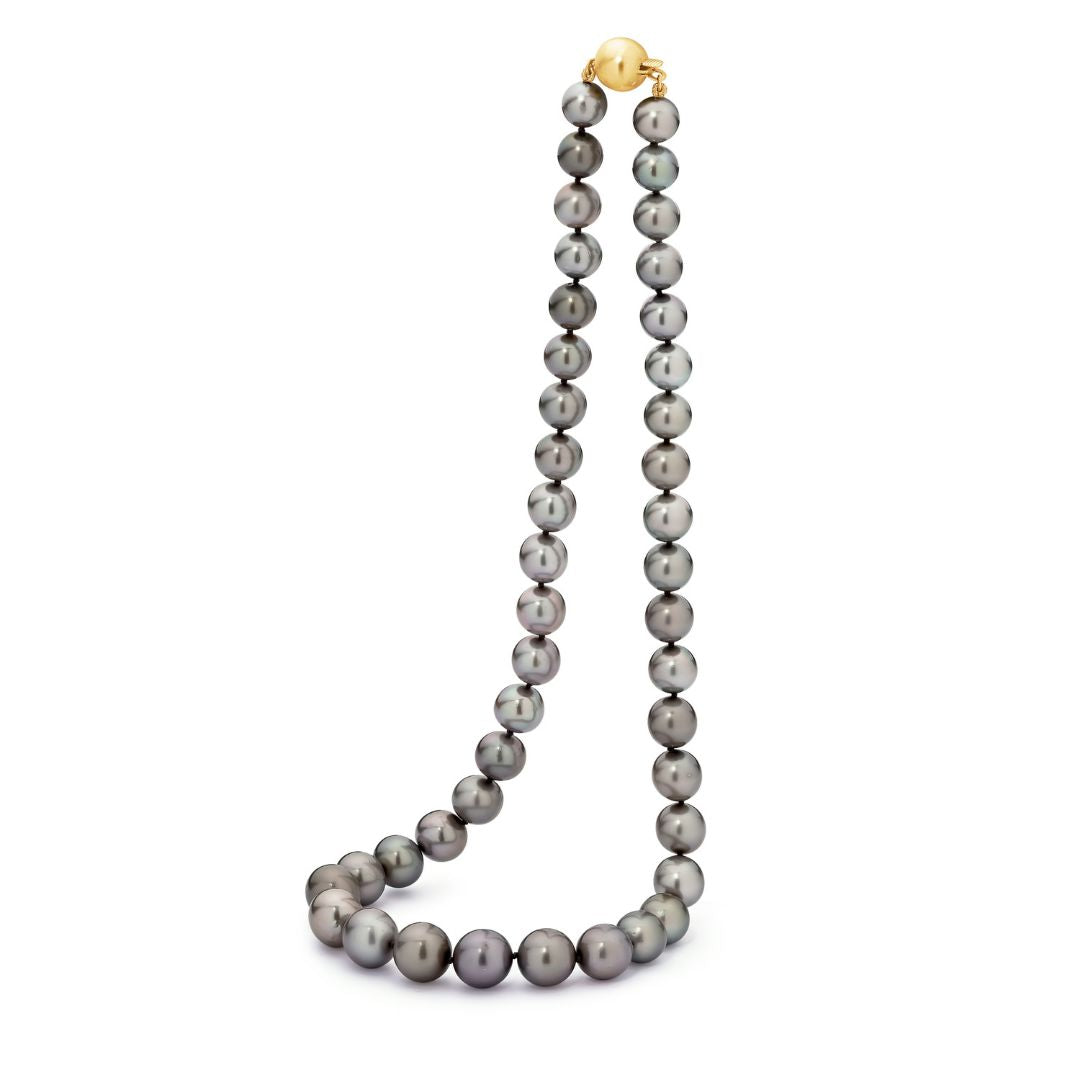
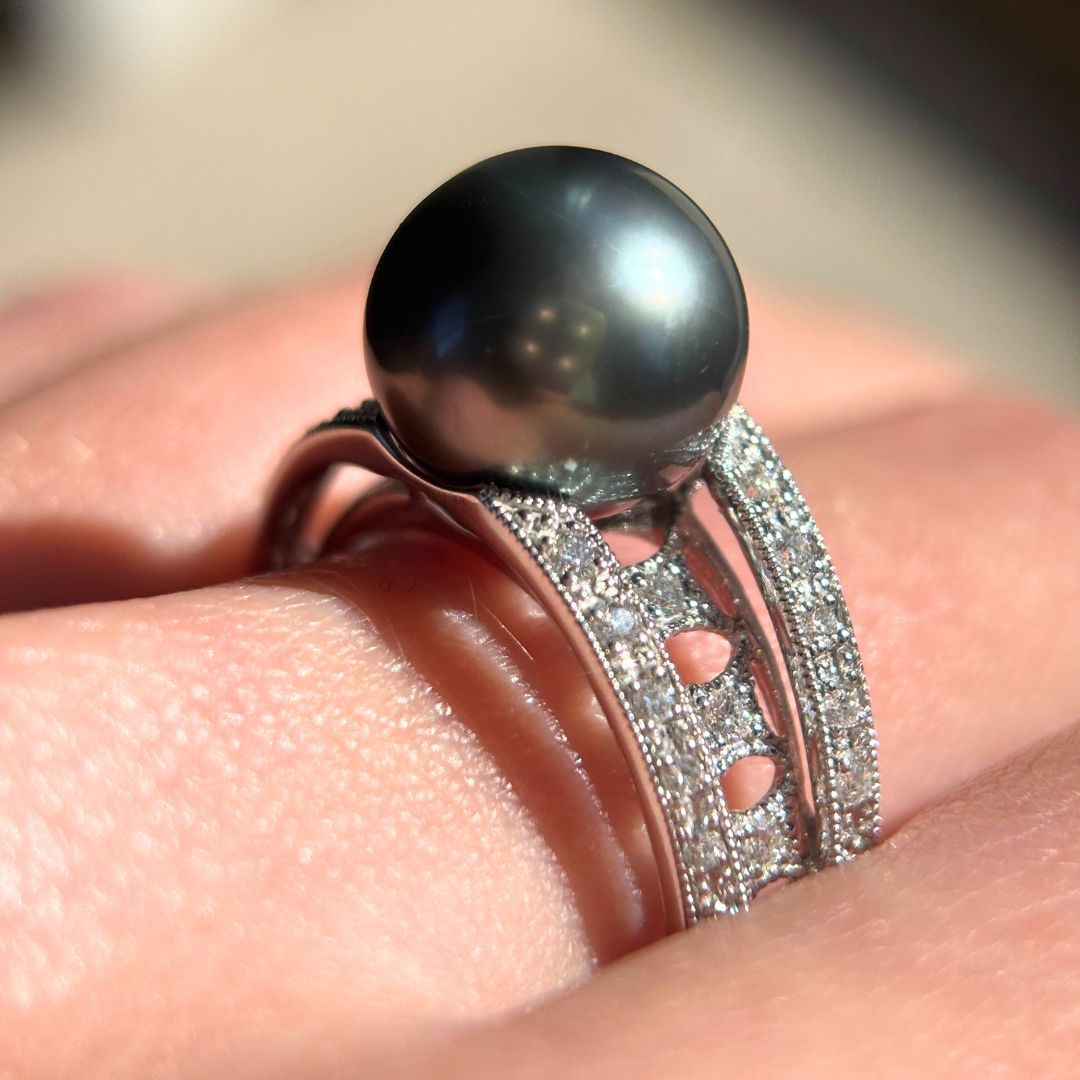
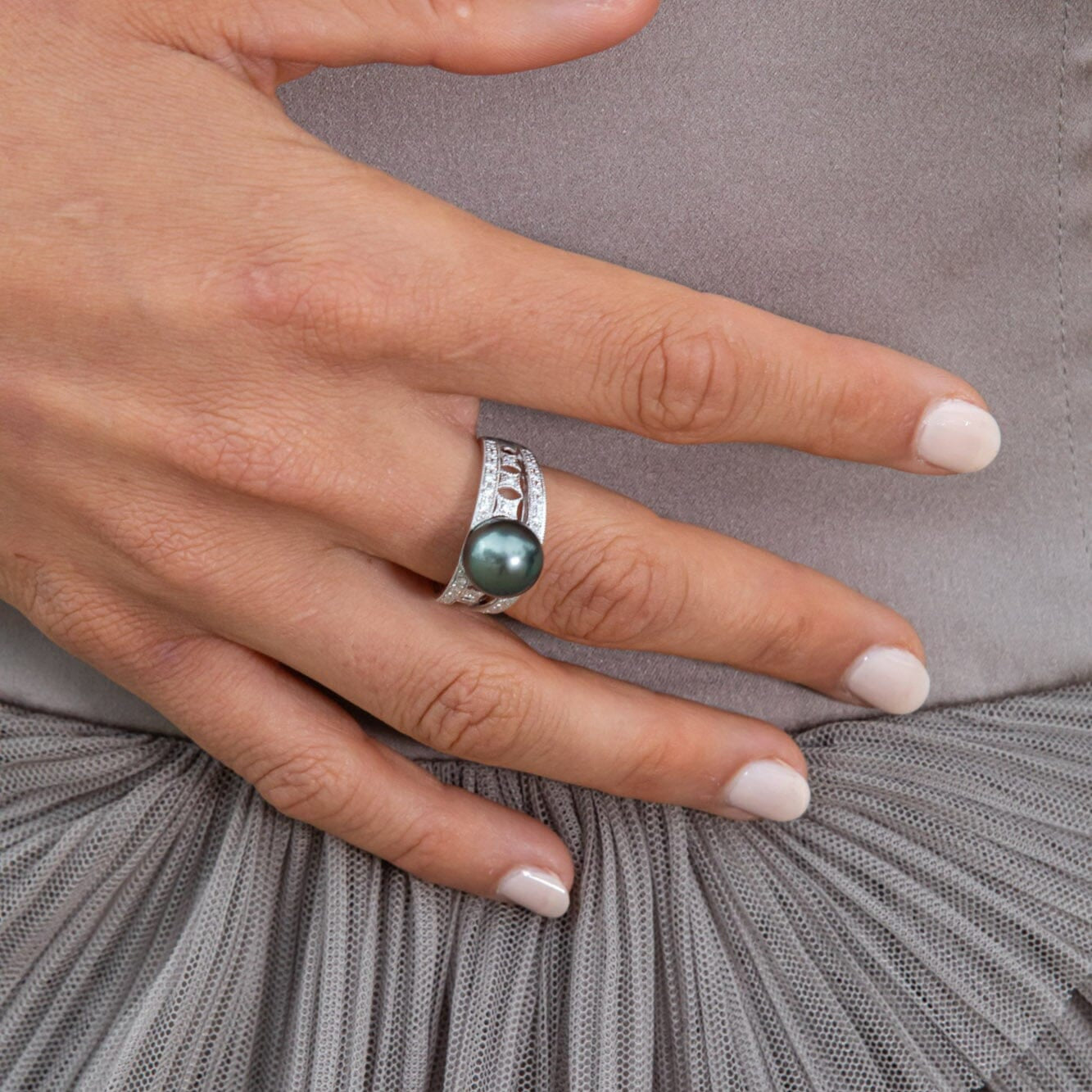
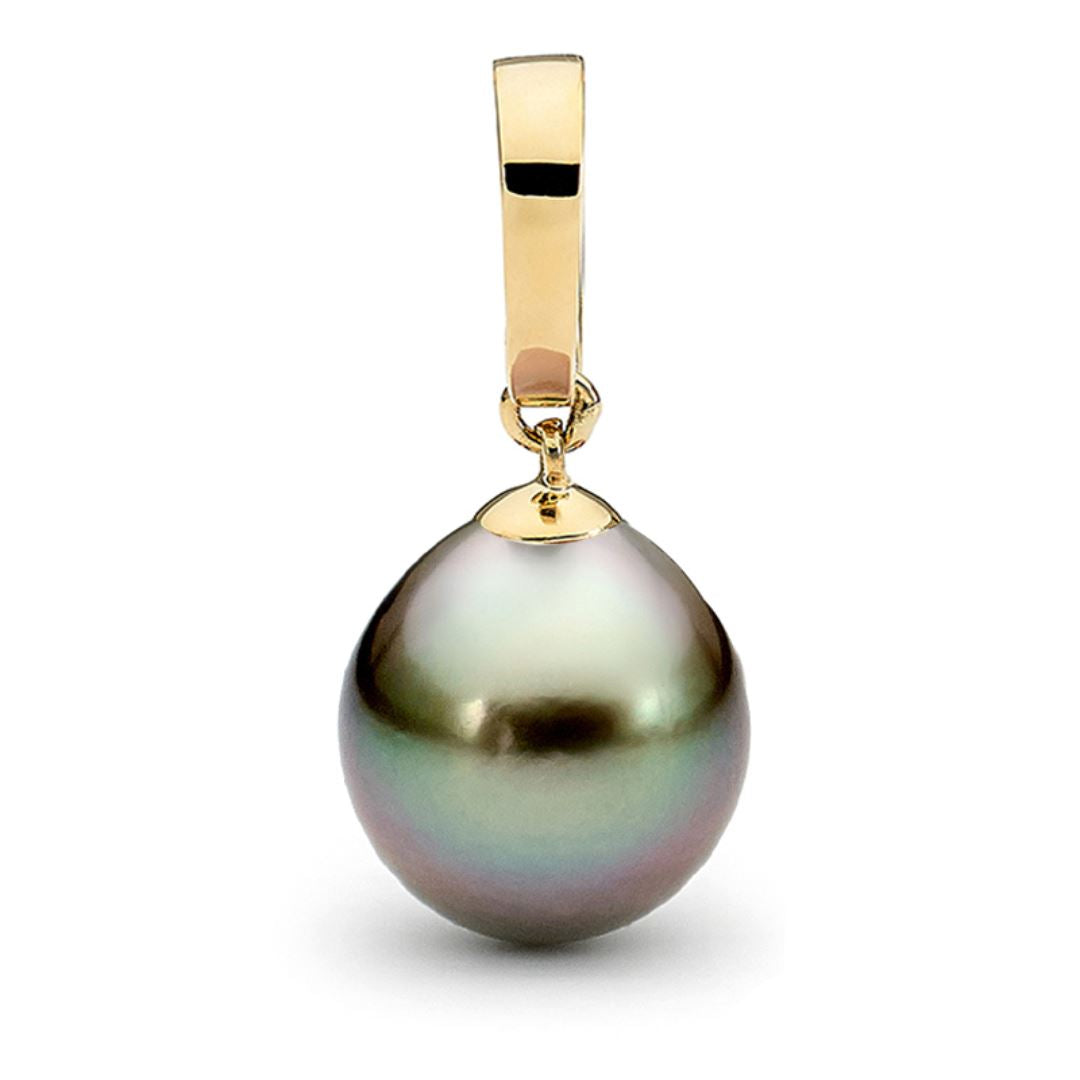
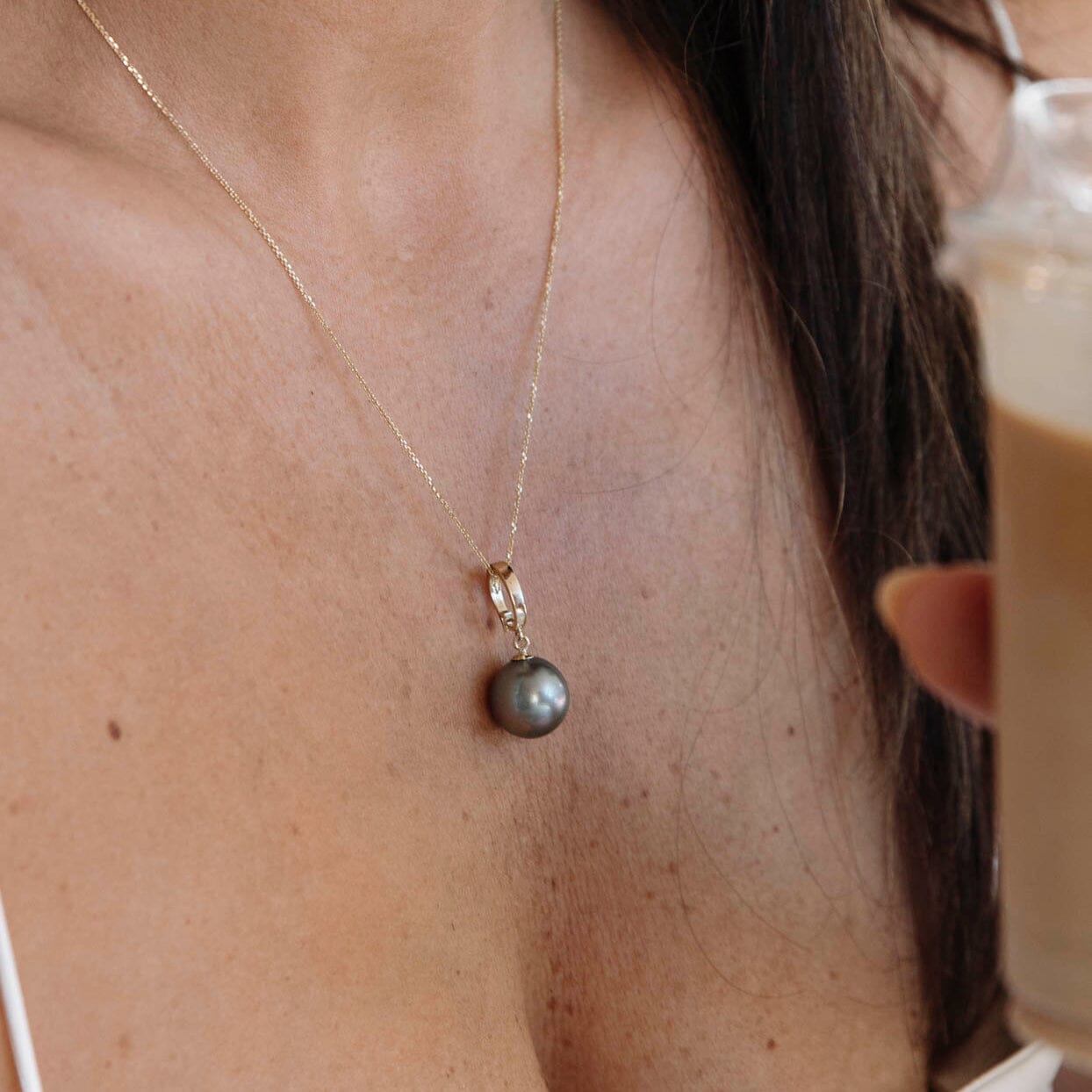
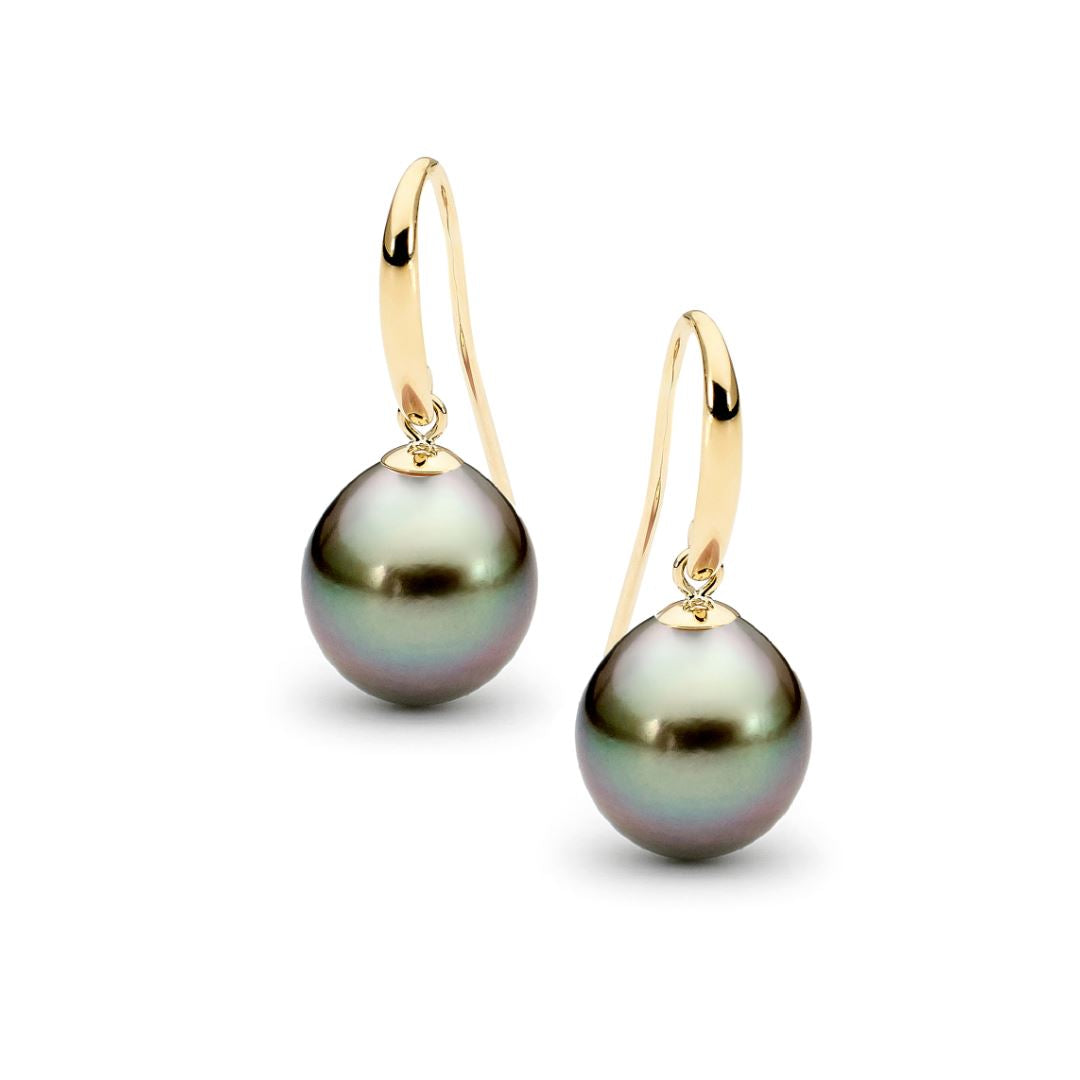
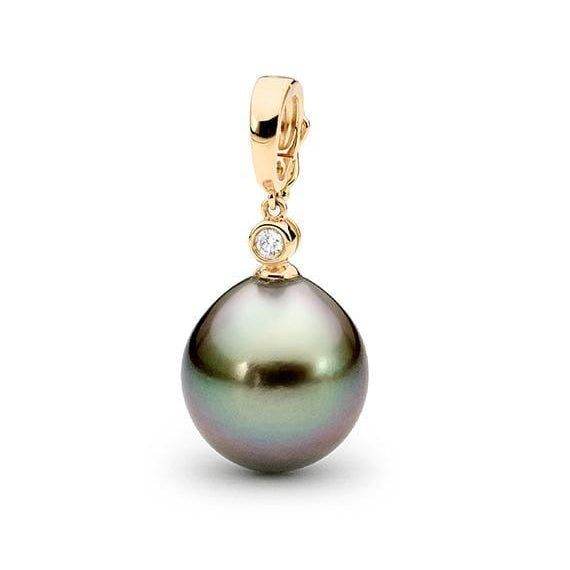
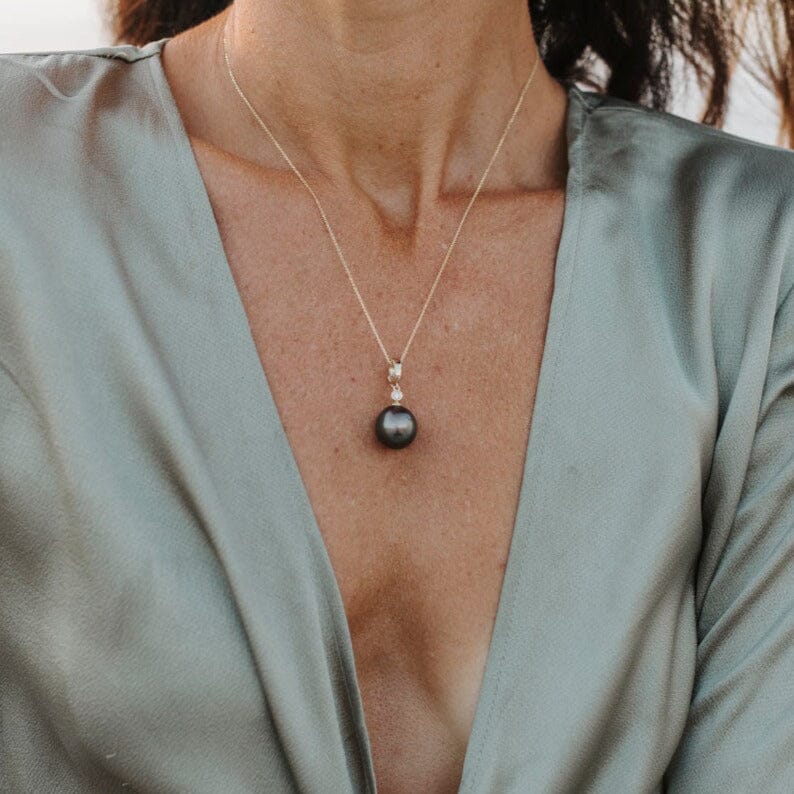
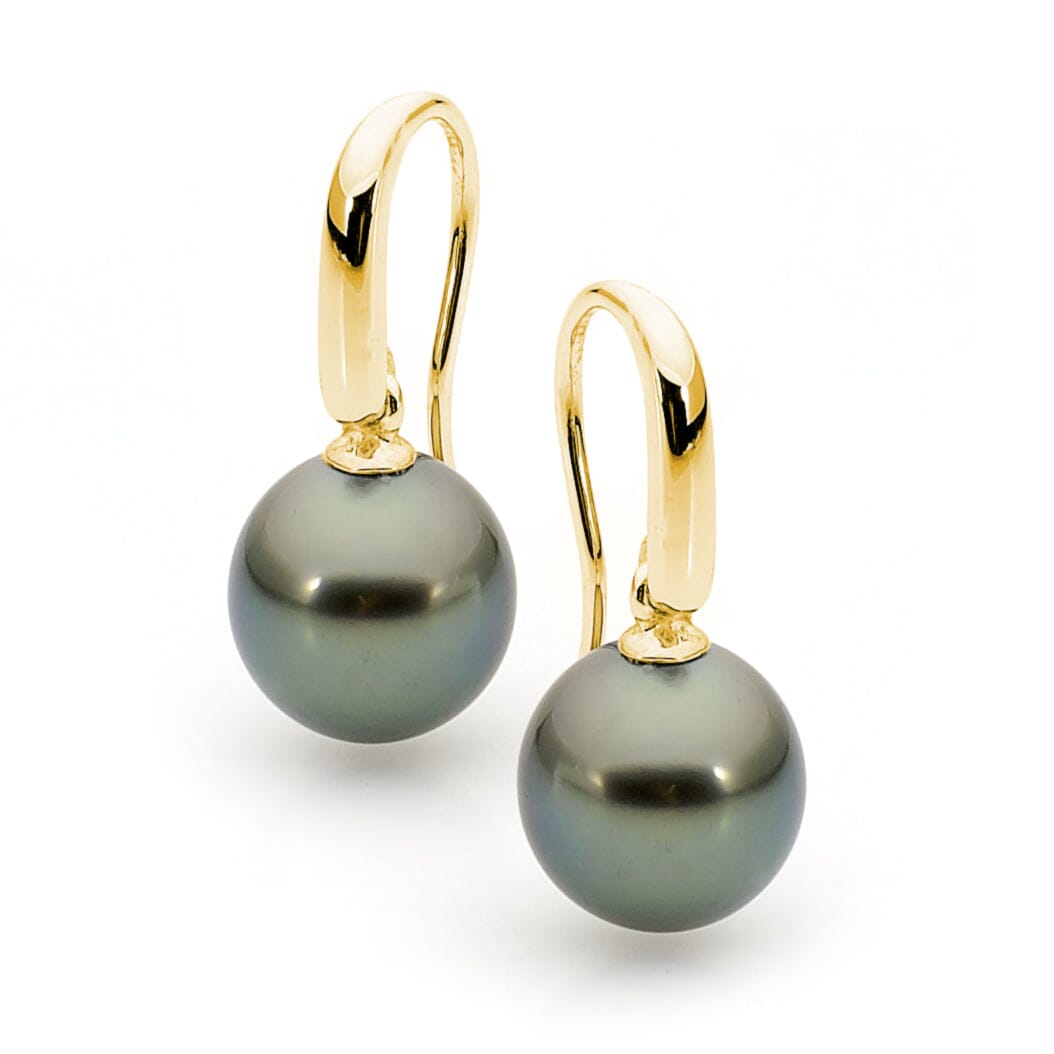
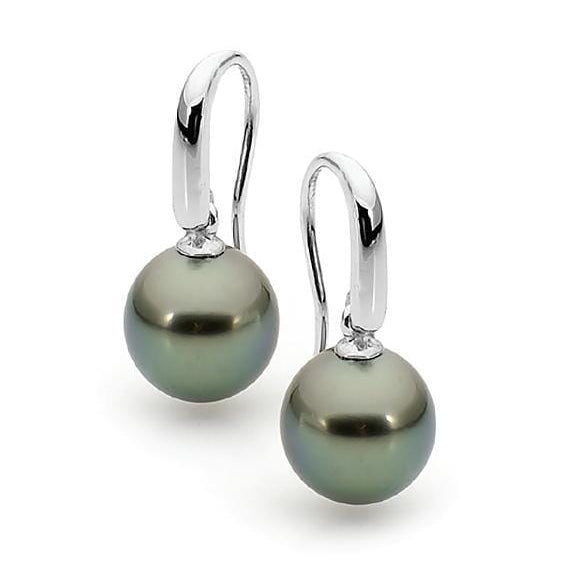
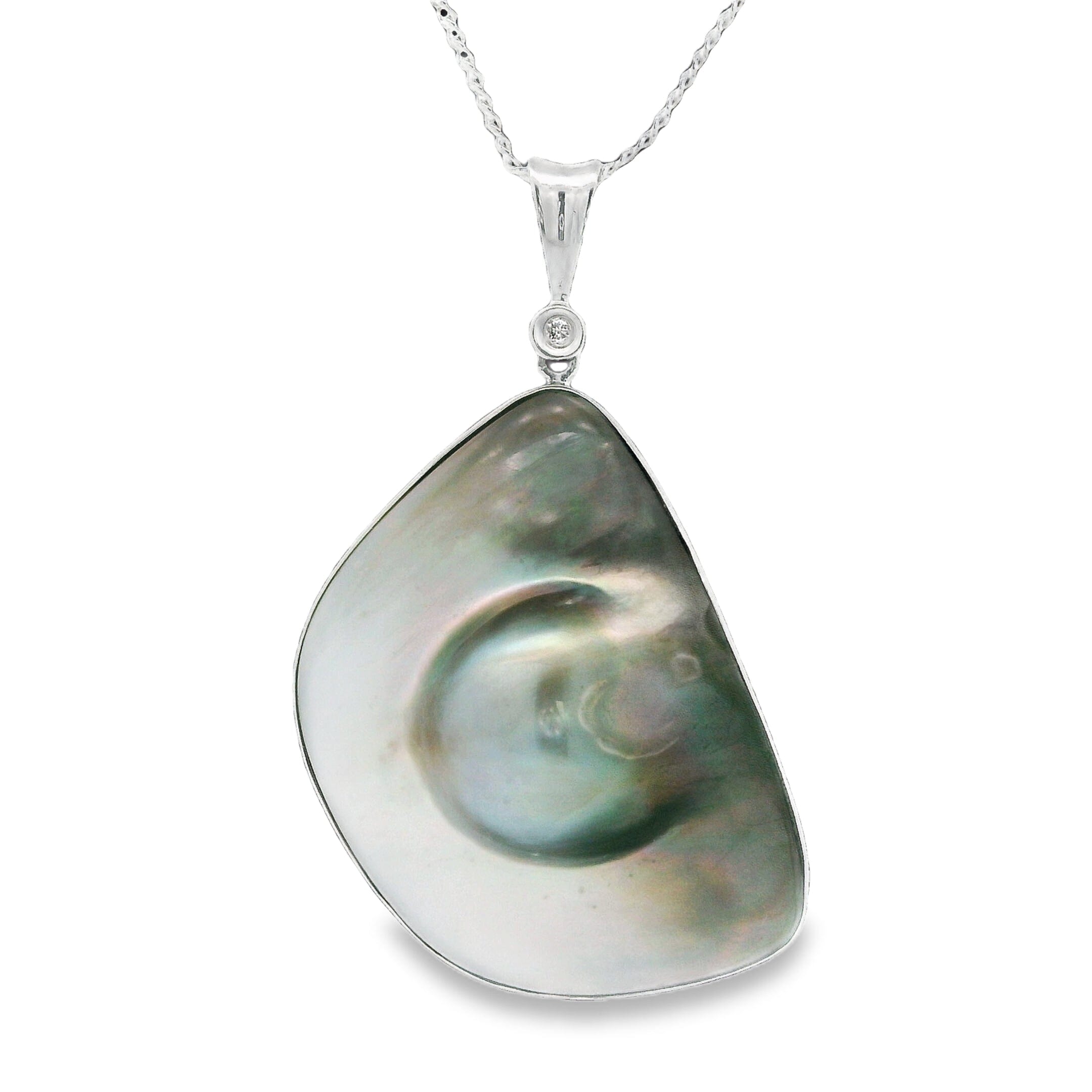
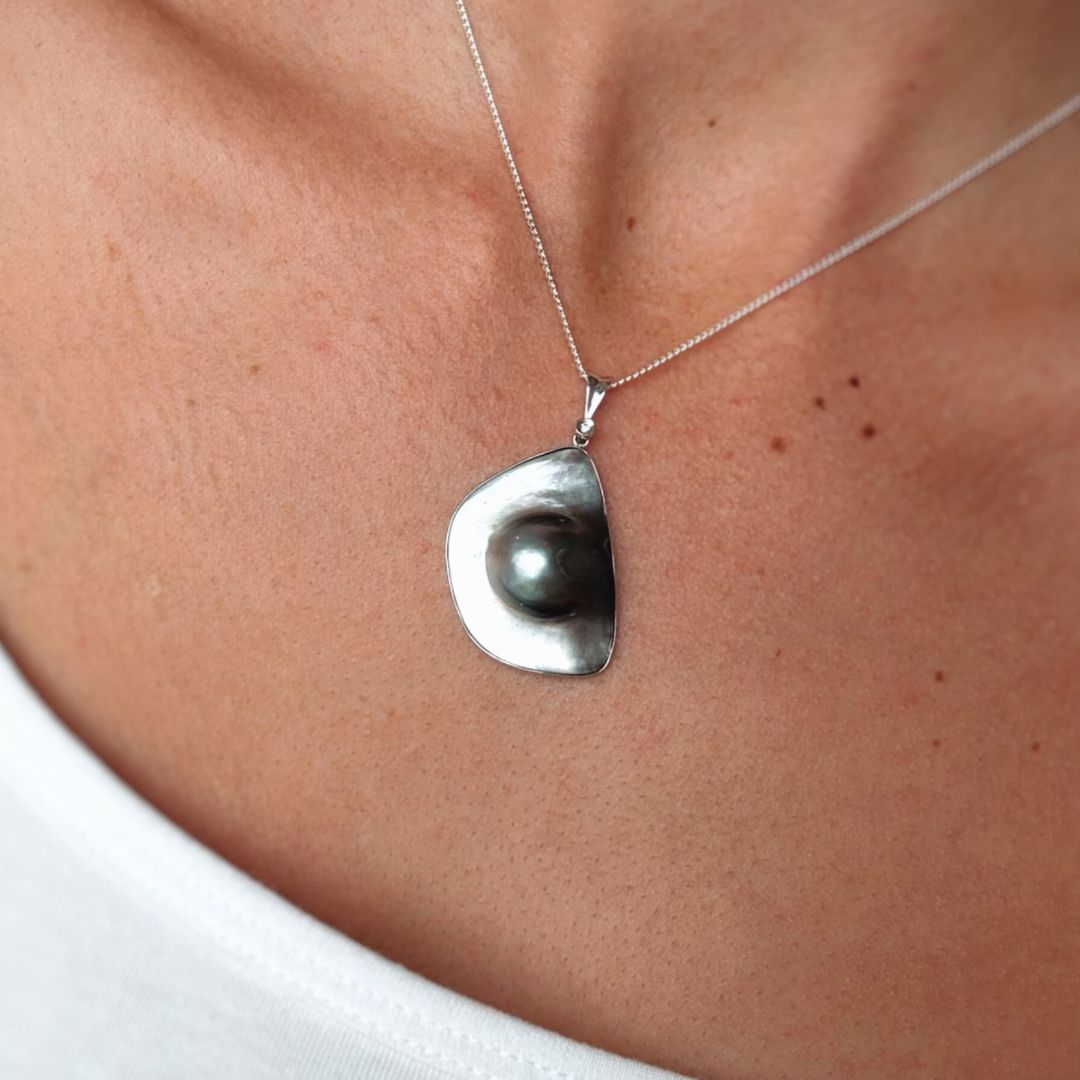
Often known as black pearls, Tahitian pearls are among the rarest and most exotic pearls in the world. Cultivated in the warm, pristine lagoons of French Polynesia, these remarkable saltwater pearls display a captivating spectrum of peacock green, silver, charcoal, aubergine and deep black.
At Ikecho Australia, every Tahitian pearl is carefully selected for its exceptional lustre, unique character and timeless elegance.
- ORIGIN: French Polynesia
- MOLLUSC: Black lipped oyster
- SPECIES: Pinctada Margaritifera
- SIZE RANGE: 7.0mm – 16.0mm; Average size 9.0mm – 14.0mm
- NATURAL COLOURS: Aubergine, green, peacock, peacock blue, grey, black
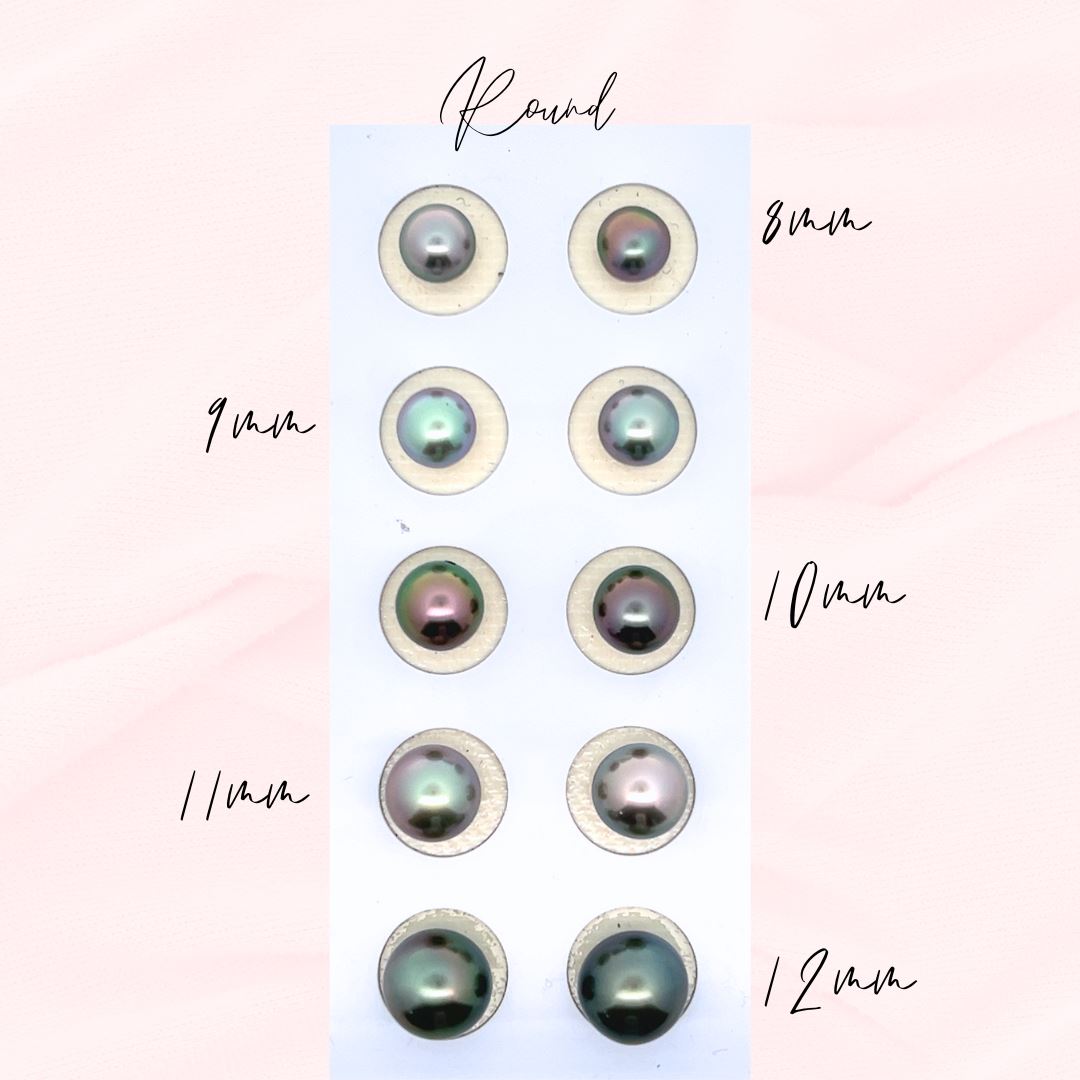
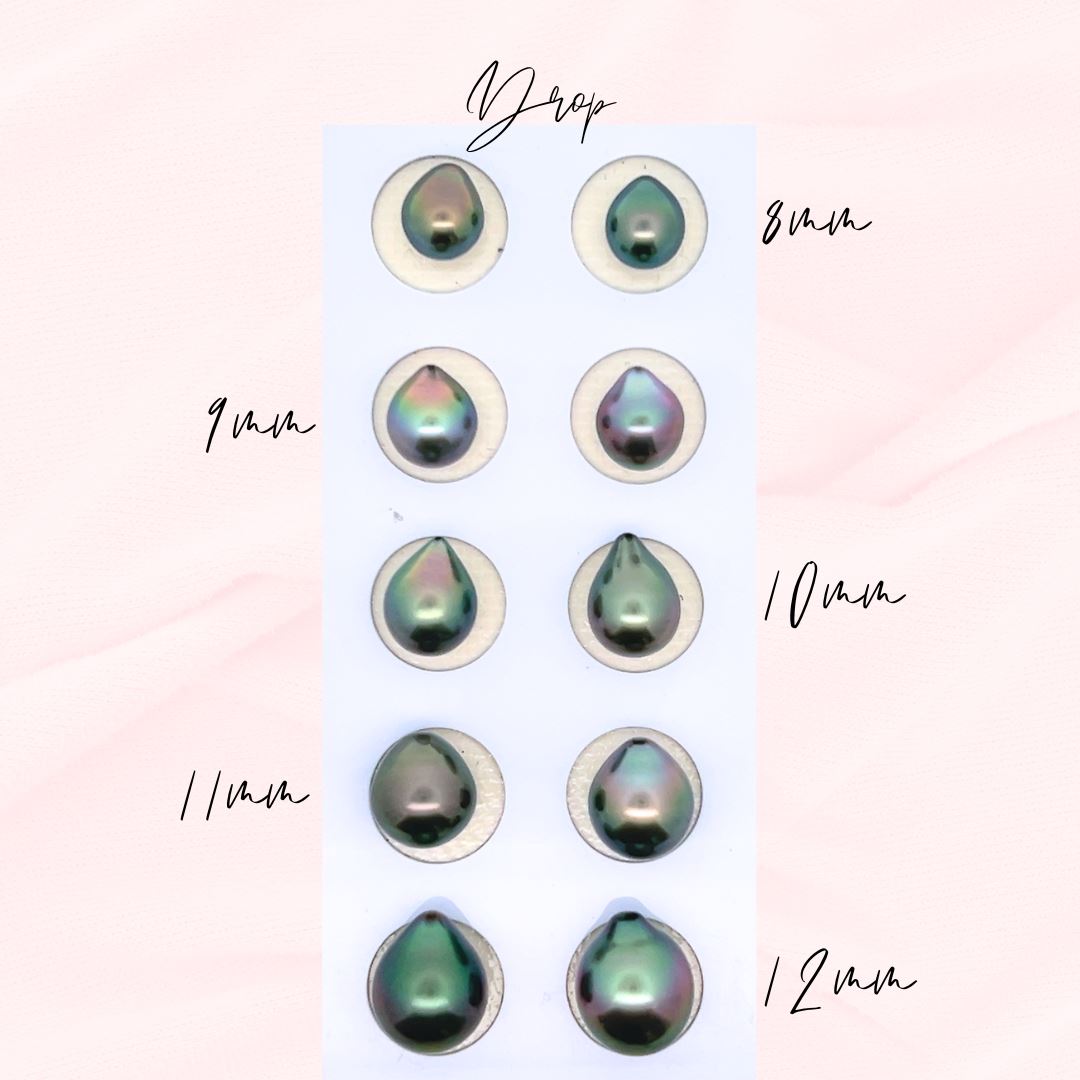
- SHAPE: Round, near round, drop, baroque, circle
- RARITY: Rare

Tahitian pearls are unlike any other pearl variety.
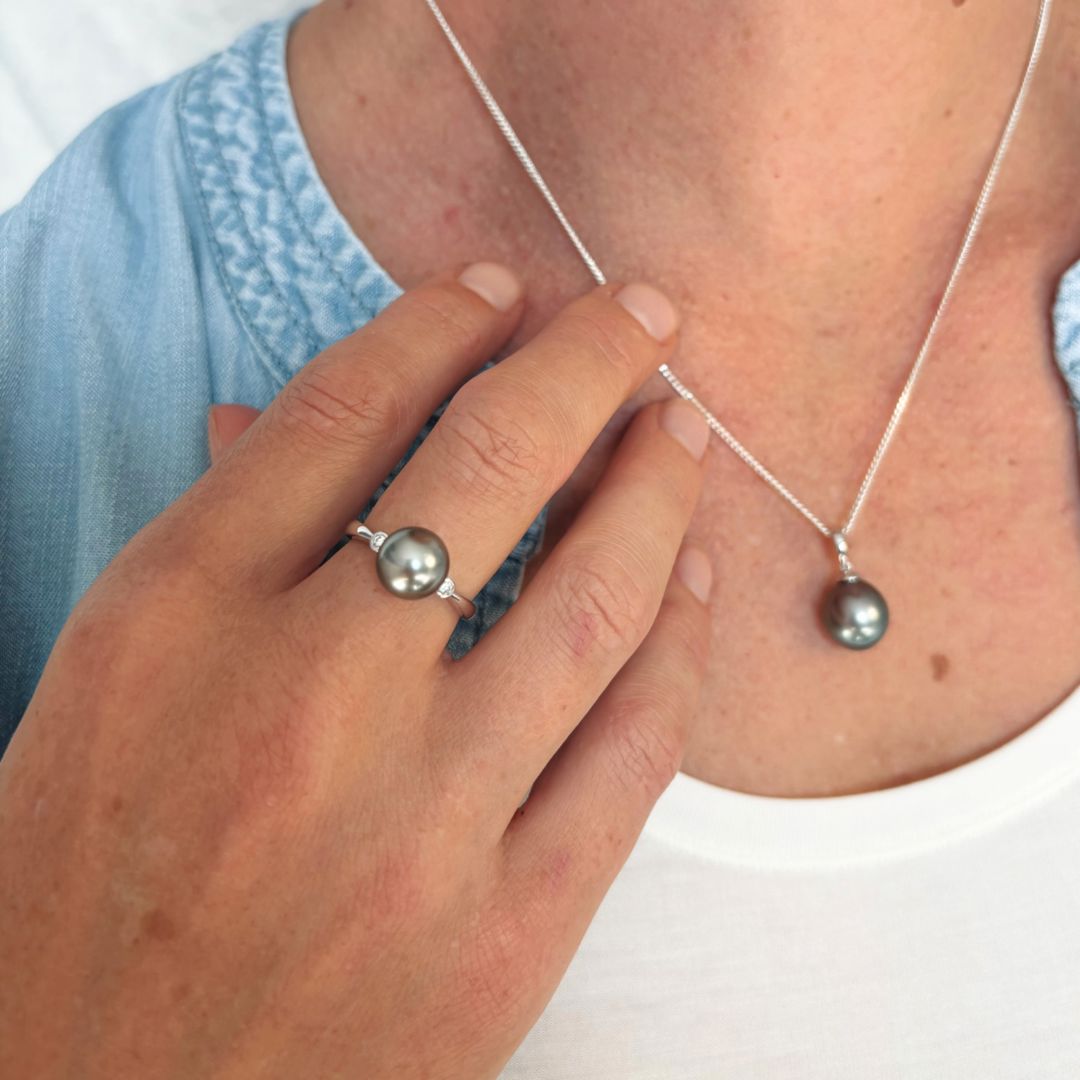
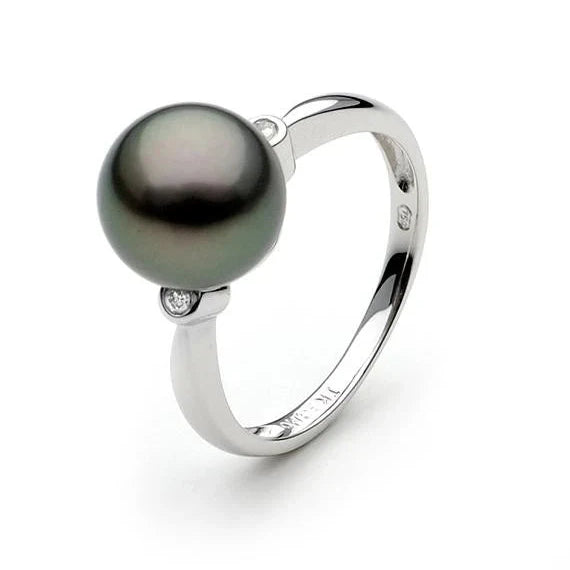
Admired for their naturally dark tones and mesmerising overtones, Tahitian pearls bring a bold yet refined elegance to pearl jewellery. Their unique colour spectrum and luminous surface create jewellery that feels both modern and timeless.
No two Tahitian pearls are ever exactly alike, making every piece beautifully individual.
Tahitian pearls are genuine cultured saltwater pearls produced by the black lipped Pinctada margaritifera oyster. These oysters are cultivated primarily in the pristine lagoons of French Polynesia, particularly around Tahiti and the Tuamotu Islands.
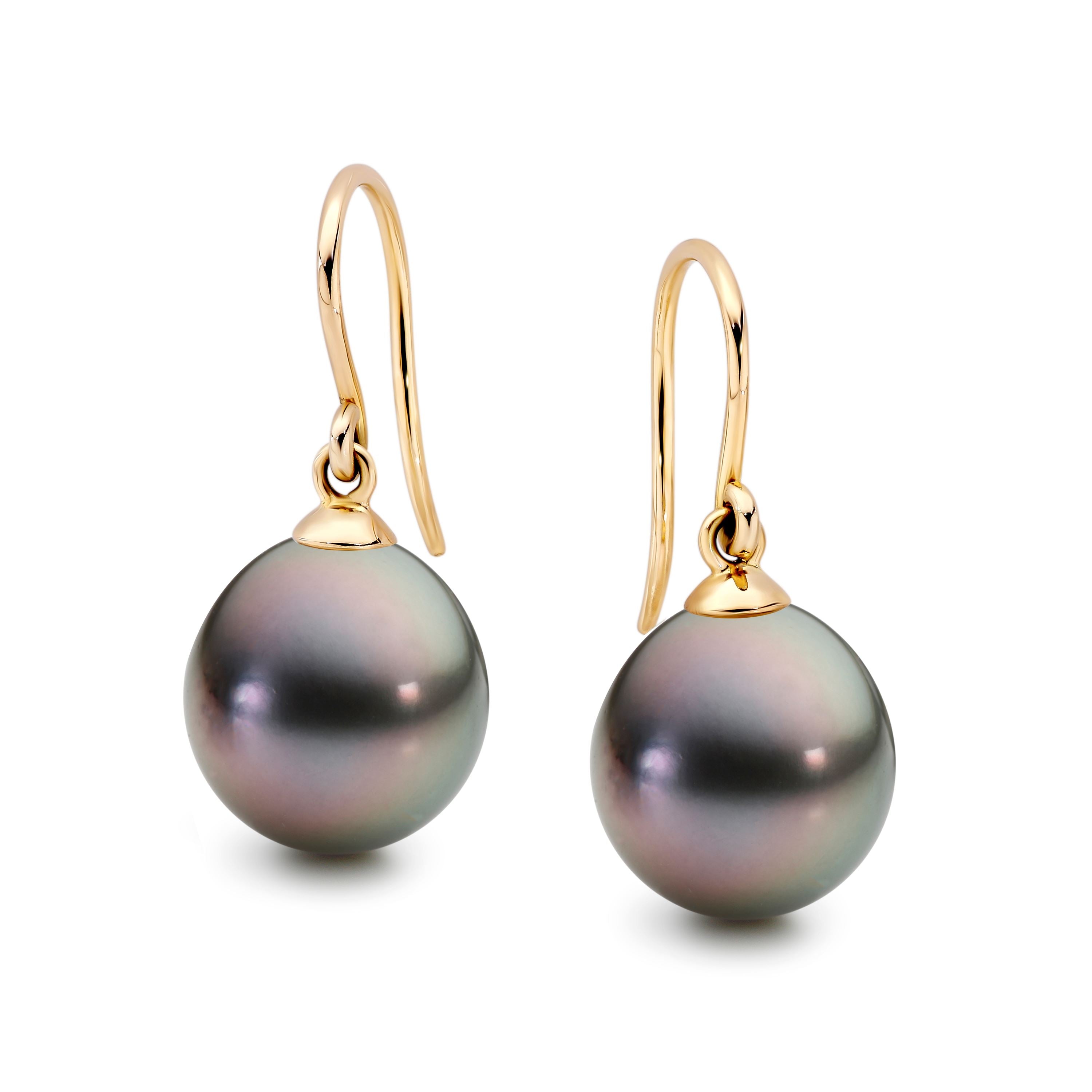
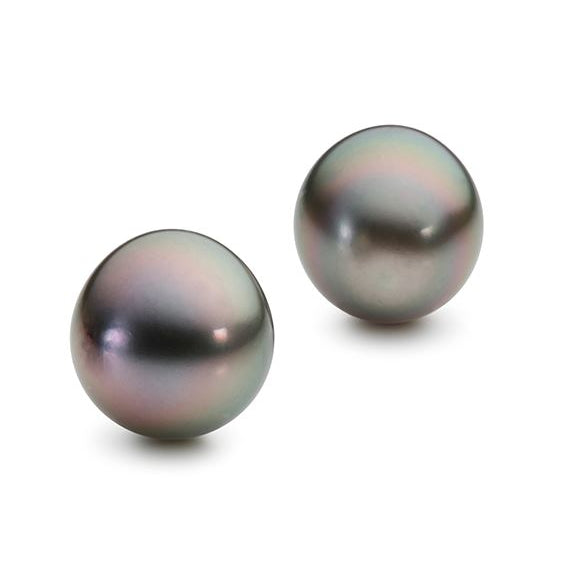
Often known as black pearls, Tahitian pearls are rarely completely black. Unlike dyed black pearls, their remarkable colours develop naturally within the oyster. Their dark body colour is created by the black lipped oyster itself, producing rich iridescent overtones with incredible depth.
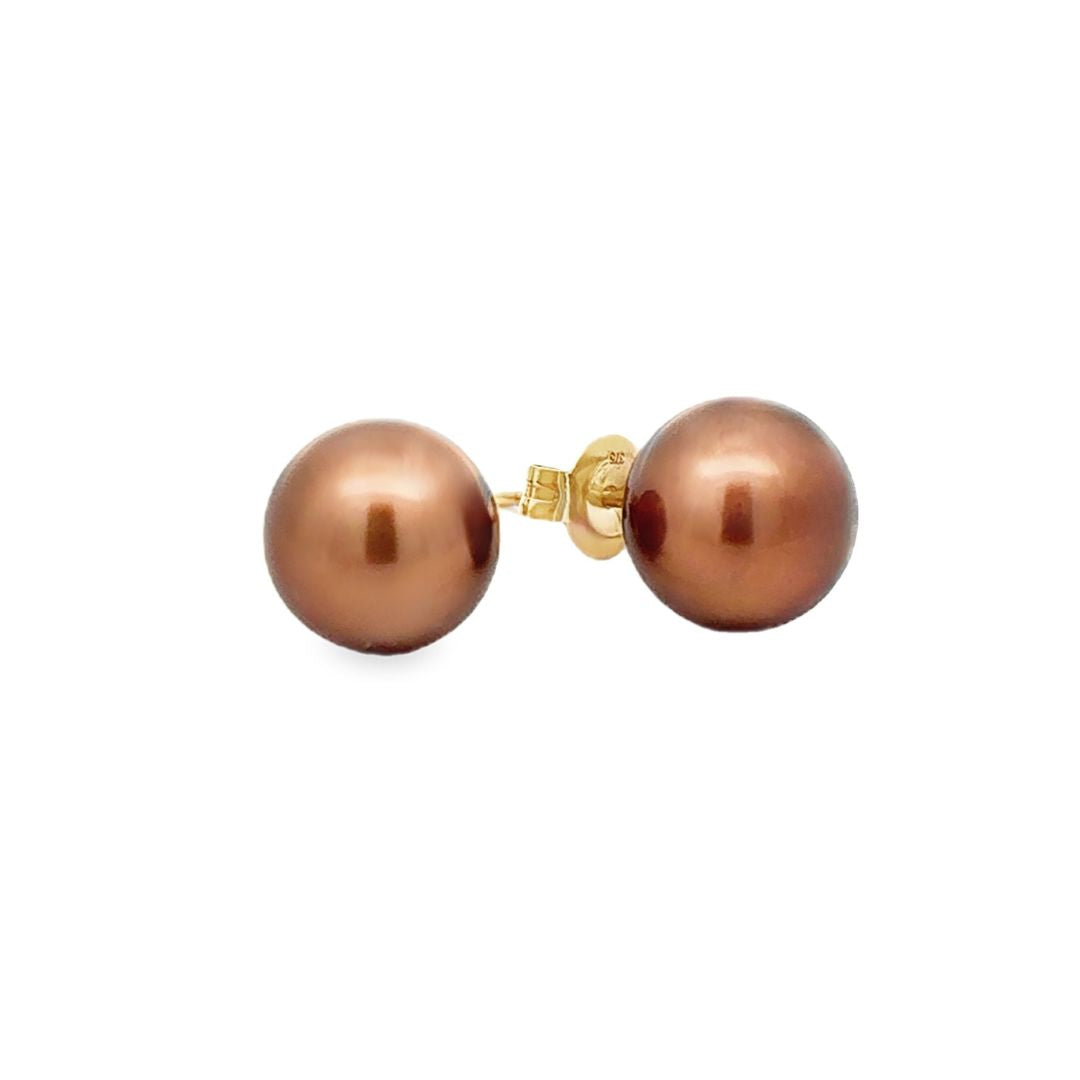
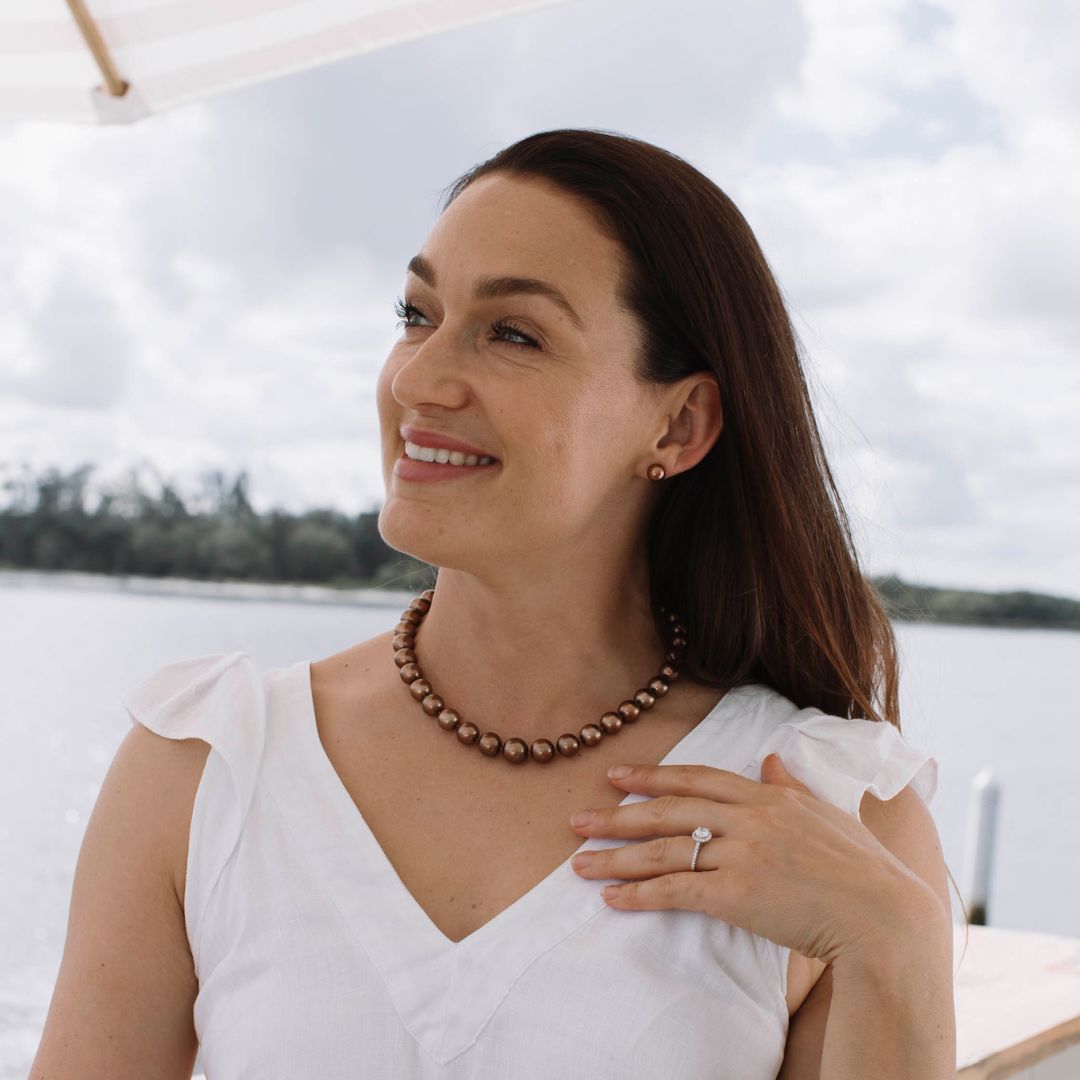
Their natural colour palette includes peacock green, silver, charcoal, aubergine, blue, bronze, deep grey and black.
Tahitian pearls are prized for their:
- Natural dark colours
- Unique iridescent overtones
- Generous pearl sizes
- Soft satin lustre
- Rare beauty and individuality
Every Tahitian pearl displays its own unique combination of colour, shape, surface and lustre, giving each pearl its distinctive character.
Tahitian pearls are among the most valuable cultured pearls in the world due to their rarity, naturally occurring dark tones and remarkable iridescence. Celebrated as the world’s most renowned naturally dark pearls, their captivating colour develops within the black lipped oyster rather than through artificial dyeing.
Only one pearl is typically cultivated in each oyster at a time. The careful farming process can take several years, requiring patience, skill and pristine environmental conditions to produce a pearl of exceptional quality.
Their appeal comes from:
- Exotic natural colour
- Rich iridescent overtones
- Strong, luminous lustre
- Generous pearl size
- Limited production
- Unique individuality
No two Tahitian pearls are exactly alike. Each pearl possesses its own combination of colour, shape, surface and lustre, giving it a distinctive character.
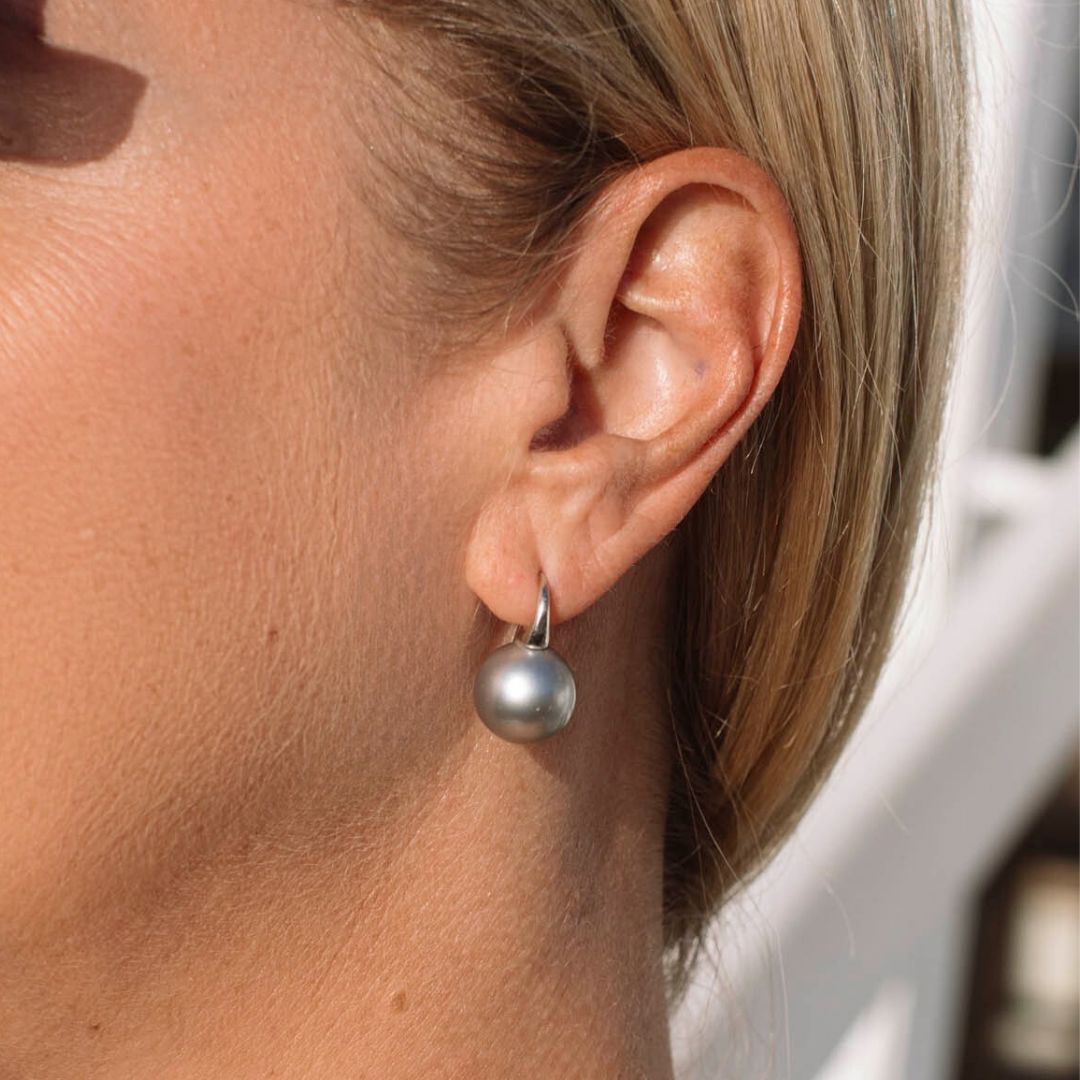
Their darker palette also makes Tahitian pearls incredibly versatile, pairing beautifully with both minimalist styling and statement jewellery designs.
Tahitian pearls are renowned for their naturally dark body colours and captivating iridescent overtones. Their colour develops within the black lipped Pinctada margaritifera oyster without the need for artificial dyeing.
Their natural colour palette includes:
- Peacock green
- Silver
- Charcoal
- Aubergine
- Blue
- Bronze
- Deep grey
- Brown
- Near black
Despite often being called black pearls, Tahitian pearls are rarely completely black. Many display several colours at once, with green, pink, blue, purple or golden overtones creating remarkable depth and iridescence.
Peacock Tahitian Pearls
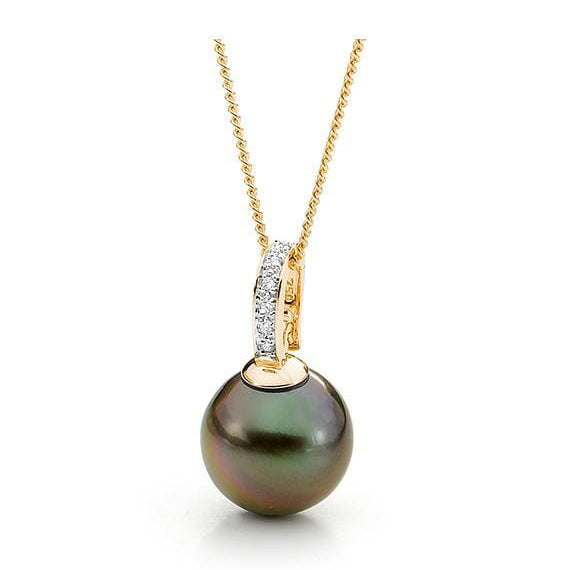
Among the most sought after Tahitian pearls, peacock pearls display rich green, blue and purple overtones, often with subtle flashes of pink.
Charcoal and Black Tahitian Pearls
Elegant deep charcoal and near black tones are enhanced by luminous iridescence and subtle flashes of colour.
Silver Tahitian Pearls
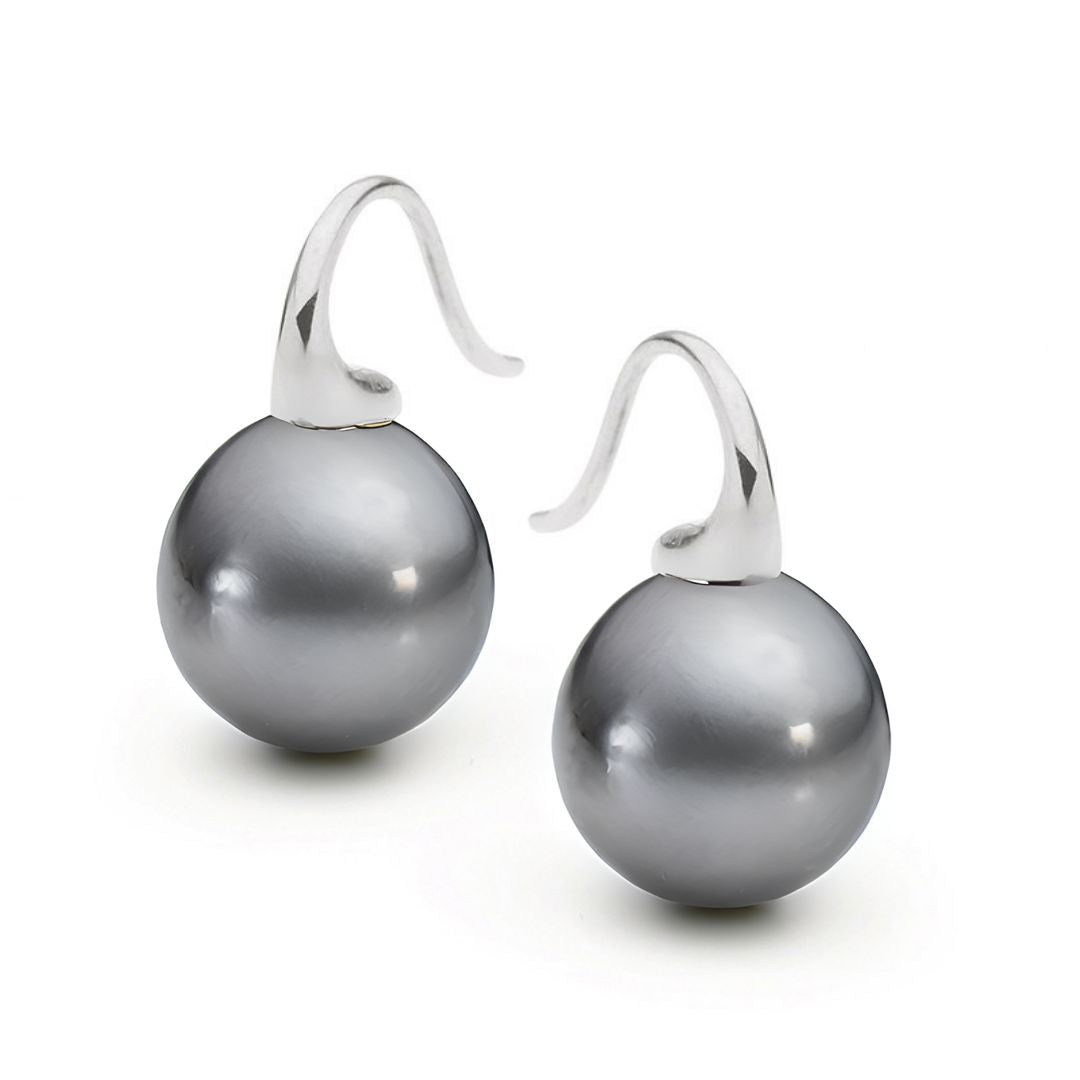
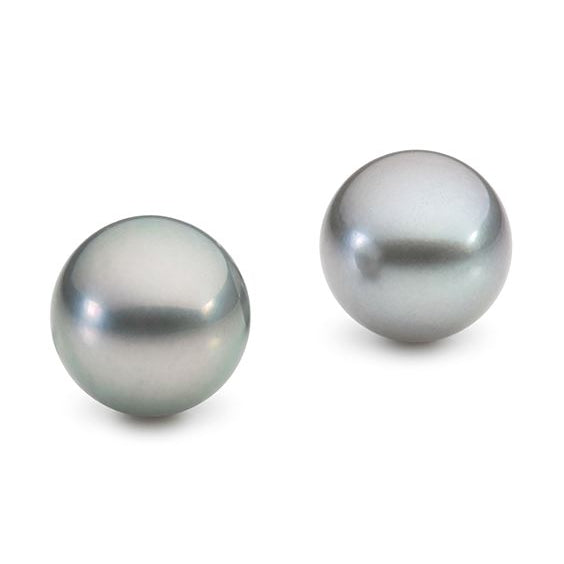
Cool silvery grey pearls offer a modern and refined appearance with a soft metallic glow.
Aubergine Tahitian Pearls
Deep plum and violet tones create a rich and luxurious depth of colour.
Tahitian pearls are naturally colourful, and their overtones can shift beautifully in different lighting. Every pearl possesses its own unique combination of body colour and overtone, making each one naturally individual.
Tahitian Pearls vs South Sea Pearls
Tahitian Pearls
Genuine cultured saltwater pearls
Grown in the black lipped Pinctada margaritifera oyster
Primarily cultivated in the pristine lagoons of French Polynesia
Naturally dark without the need for artificial dyeing
Available in peacock green, silver, charcoal, aubergine, blue, bronze, brown and near black
Known for their rich iridescent overtones
Generally range from approximately 8mm to 18mm
Display a soft, luminous satin lustre
One pearl is typically cultivated in each oyster at a time
Celebrated for their exotic appearance and unique individuality
South Sea Pearls
Genuine cultured saltwater pearls
Grown in the silver lipped or gold lipped Pinctada maxima oyster
Cultivated in the Timor and Arafura Seas between northern Australia and Indonesia
Naturally found in white, silver, cream, champagne and golden tones
Known for their soft satin lustre and luminous glow
Generally range from approximately 8mm to 20mm
Among the largest cultured pearls in the world
Develop exceptionally thick layers of nacre
One pearl is typically cultivated in each oyster at a time
Celebrated for their rarity, timeless elegance and exceptional value


















Frequently Asked Questions
About Tahitian pearls
Tahitian pearls are genuine cultured saltwater pearls grown in the black lipped Pinctada margaritifera oyster, primarily in the pristine lagoons of French Polynesia.
Often known as black pearls, they develop their dark colours naturally and can display peacock, silver, charcoal, aubergine, blue and near black tones.
Yes. Tahitian pearls are genuine cultured saltwater pearls grown inside the black lipped Pinctada margaritifera oyster.
Their dark colours and iridescent overtones develop naturally without artificial dyeing.
Tahitian pearls are naturally dark, although they are rarely completely black. Their colour comes from pigments in the black lipped Pinctada margaritifera oyster as it forms layers of nacre around the pearl.
This natural process creates shades of peacock green, silver, charcoal, aubergine, blue and near black, often with captivating iridescent overtones.
Tahitian pearls are valuable because they are rare, take several years to cultivate and are typically grown one pearl per oyster at a time.
Their generous size, natural dark colours, luminous lustre and unique iridescent overtones also contribute to their value.
Tahitian pearls are primarily cultivated in the pristine tropical lagoons of French Polynesia, particularly around the Tuamotu and Gambier Islands. Despite their name, most are grown on remote islands beyond Tahiti itself.
No. Genuine Tahitian pearls develop their dark colours naturally within the black lipped Pinctada margaritifera oyster. Their shades of peacock green, silver, charcoal, aubergine, blue and near black are created without artificial dyeing.
Yes. Peacock Tahitian pearls are among the most sought after Tahitian pearls due to their vibrant green, blue, purple and pink overtones. Their rarity, rich iridescence and exceptional depth of colour make high quality peacock pearls especially desirable.
Tahitian pearls are valuable because they are rare, take years of careful farming and are typically cultivated one pearl per oyster at a time. Their generous size, naturally dark colours, luminous lustre and unique iridescent overtones also add to their value.
Yes. With proper care, Tahitian pearl jewellery can be worn and enjoyed regularly. Avoid contact with perfume, cosmetics and harsh chemicals, put your pearls on last and gently wipe them with a soft cloth after wearing.
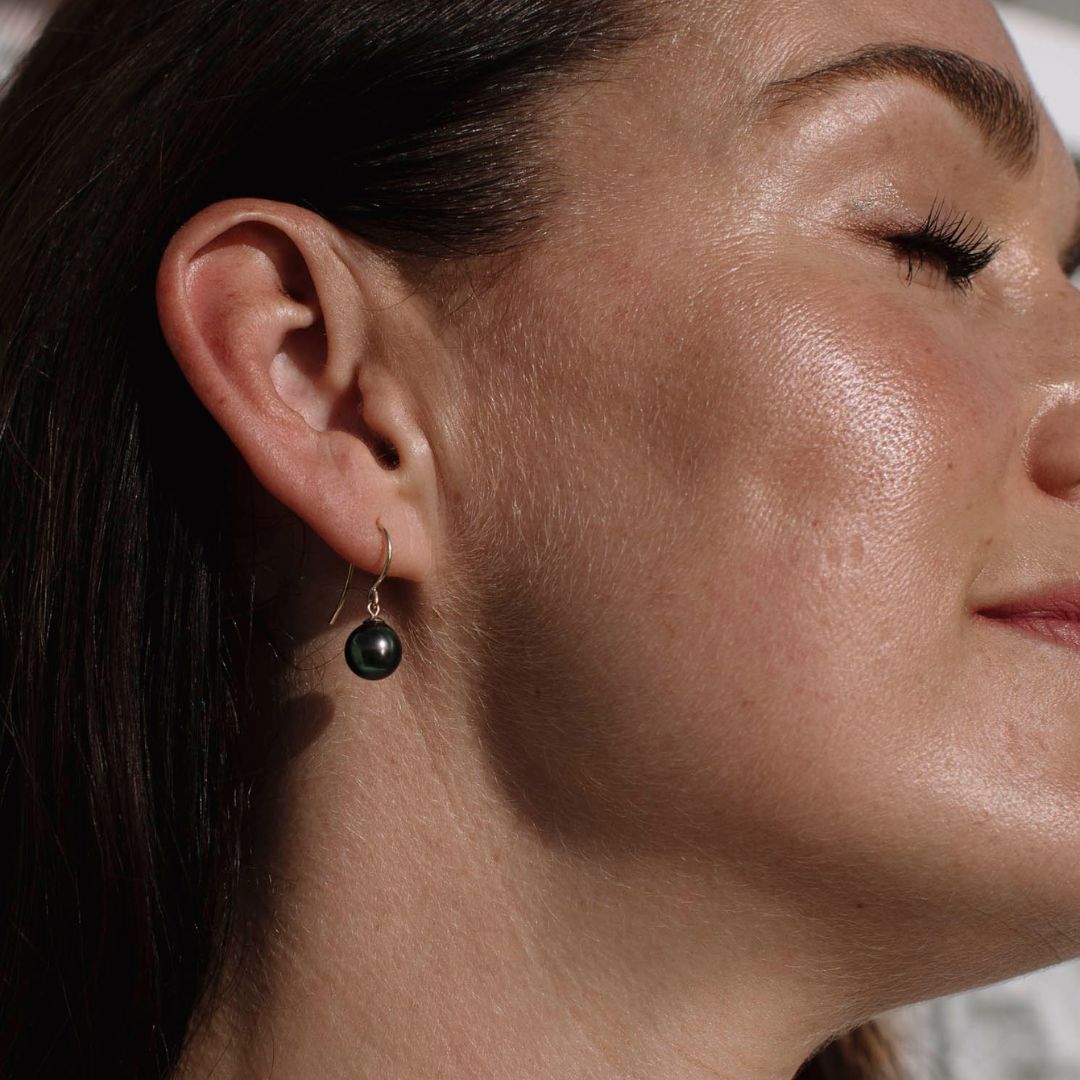
Tahitian pearls generally range from approximately 8mm to 18mm, with most measuring between 9mm and 14mm. Pearls larger than 15mm are rarer and typically more valuable.
