

Mabe Pearls
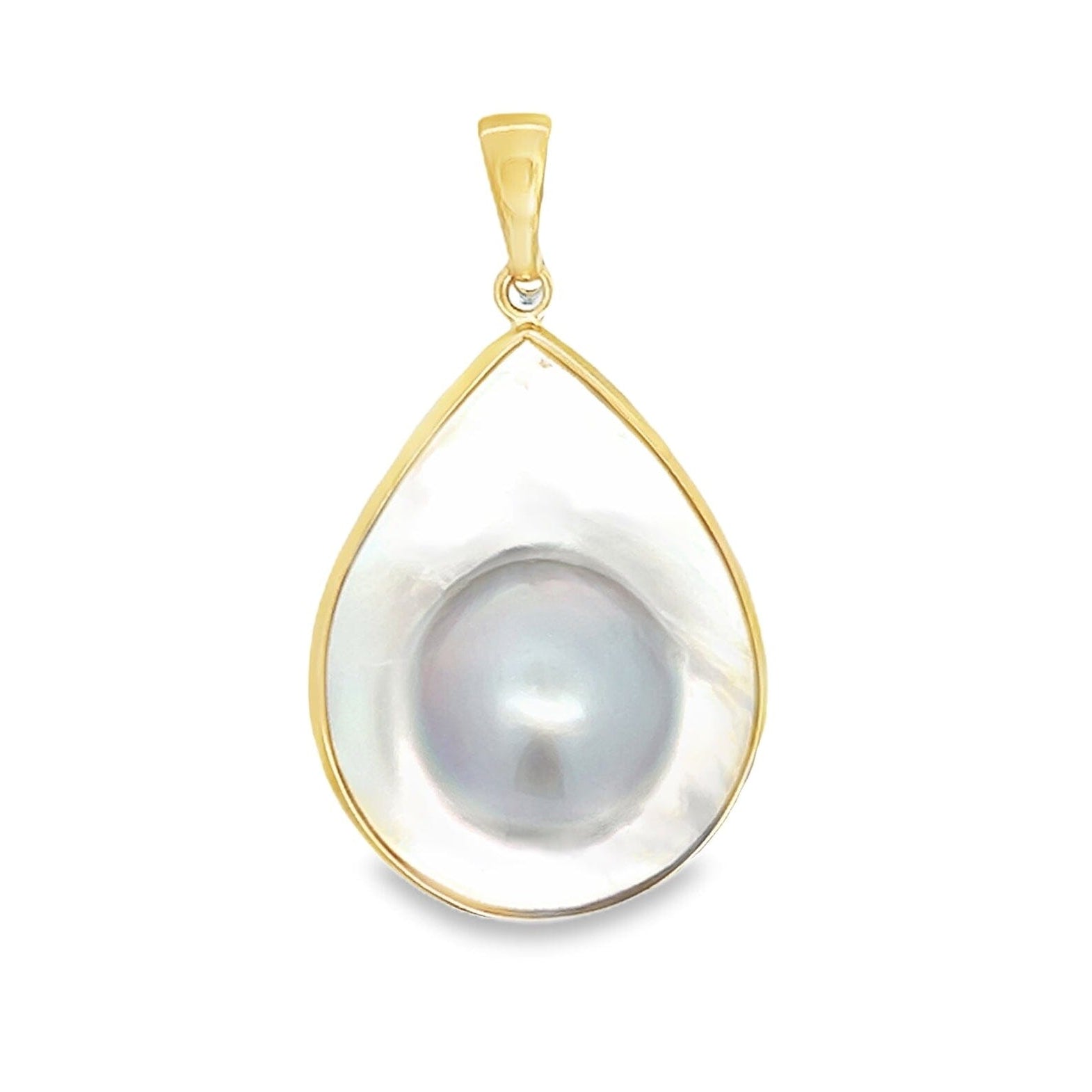
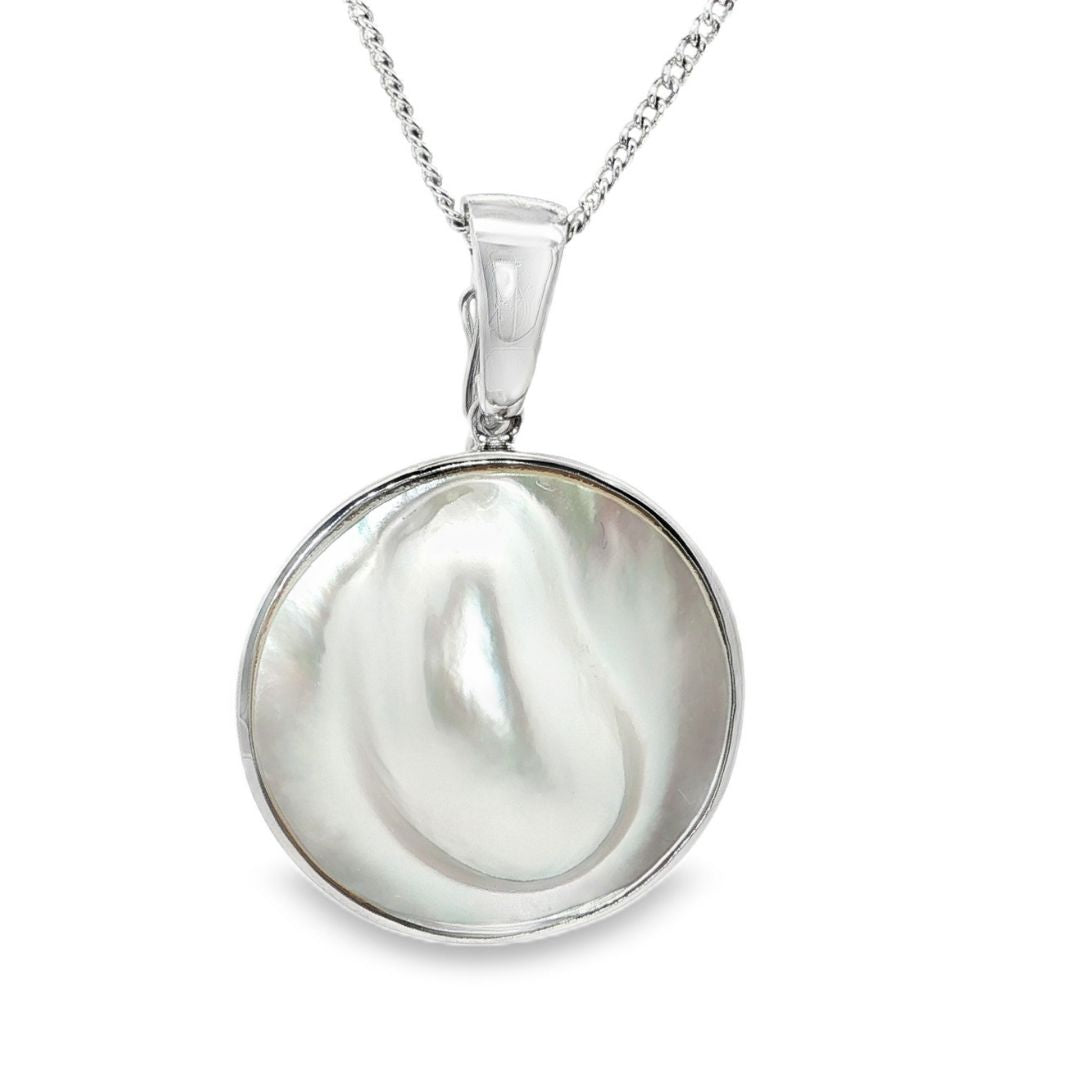
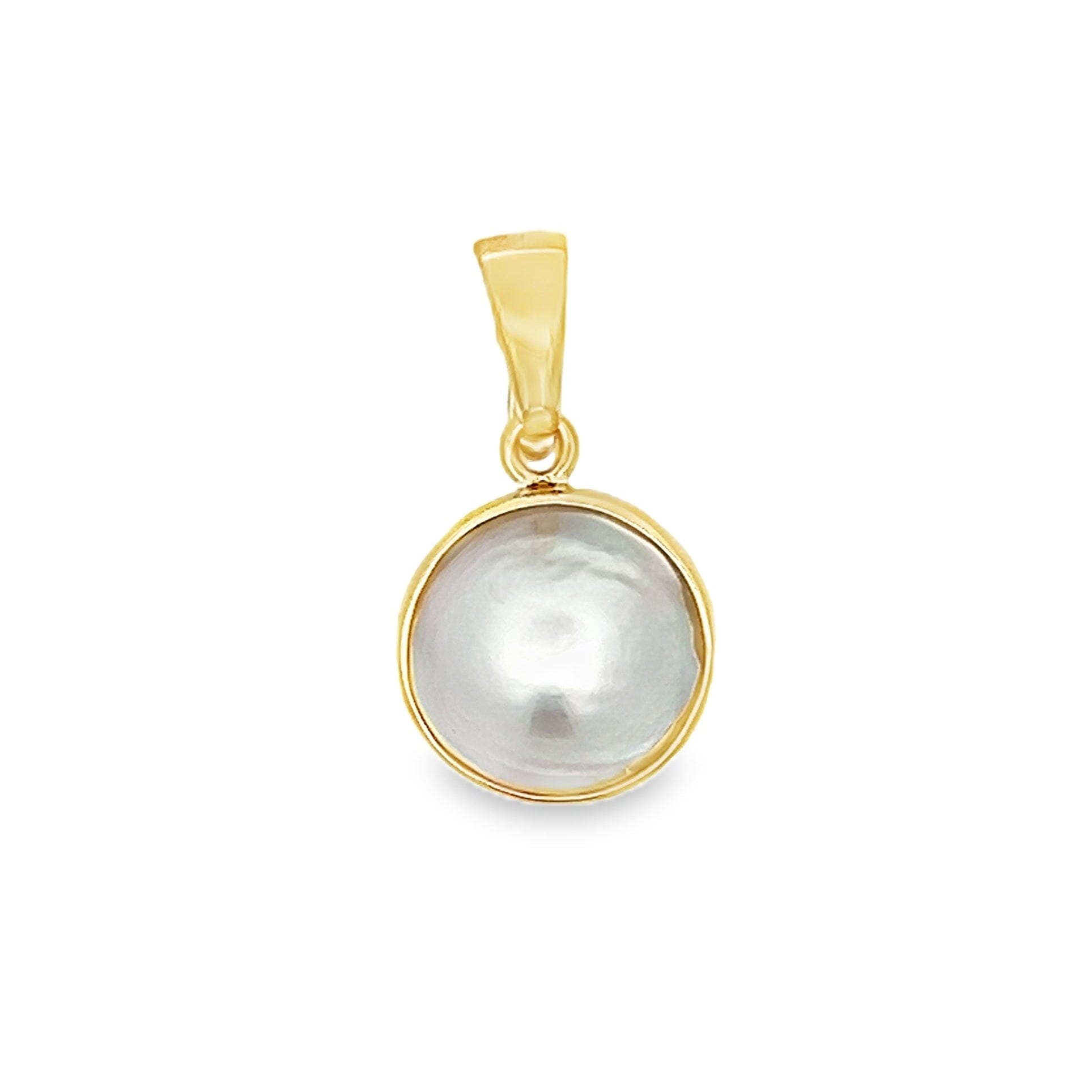
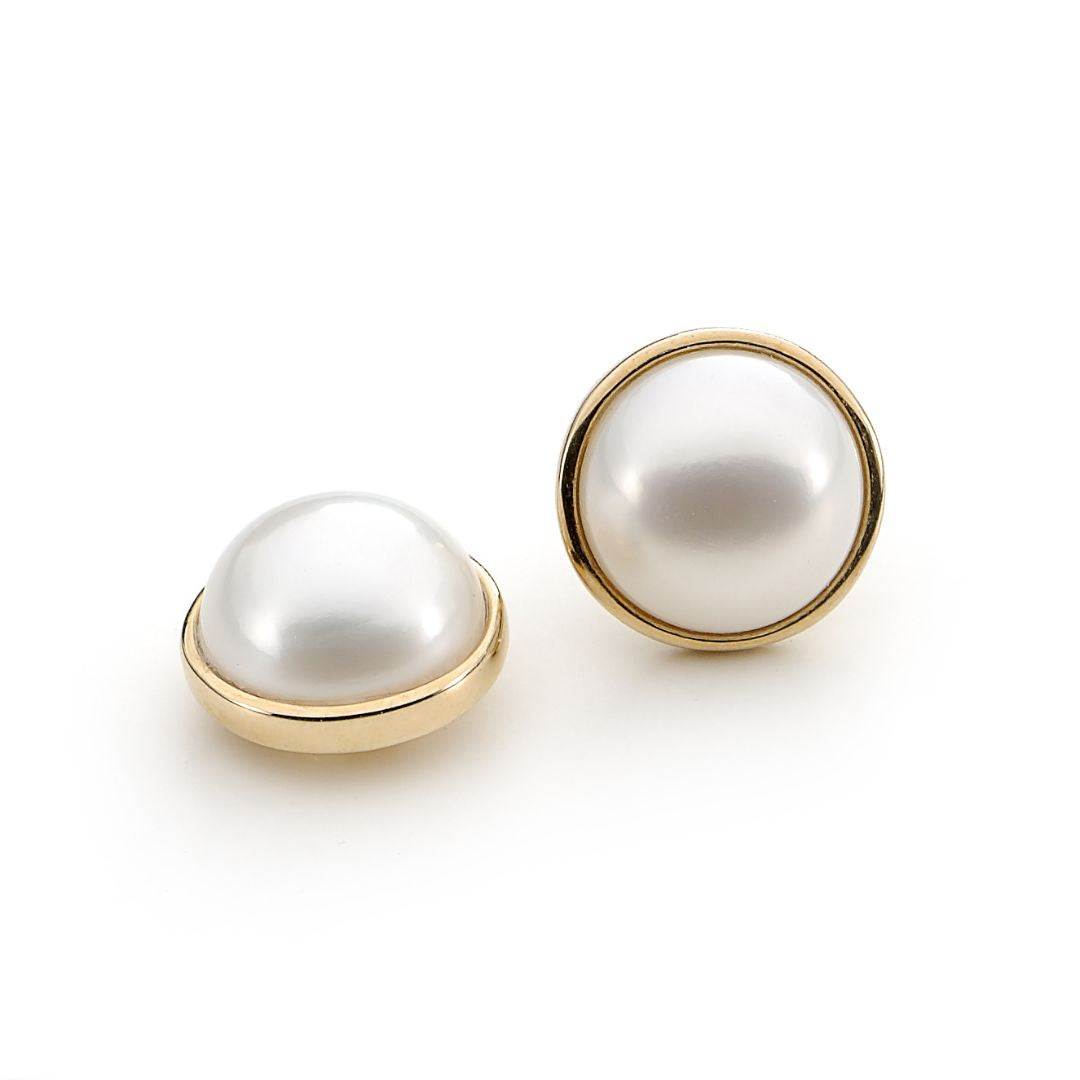
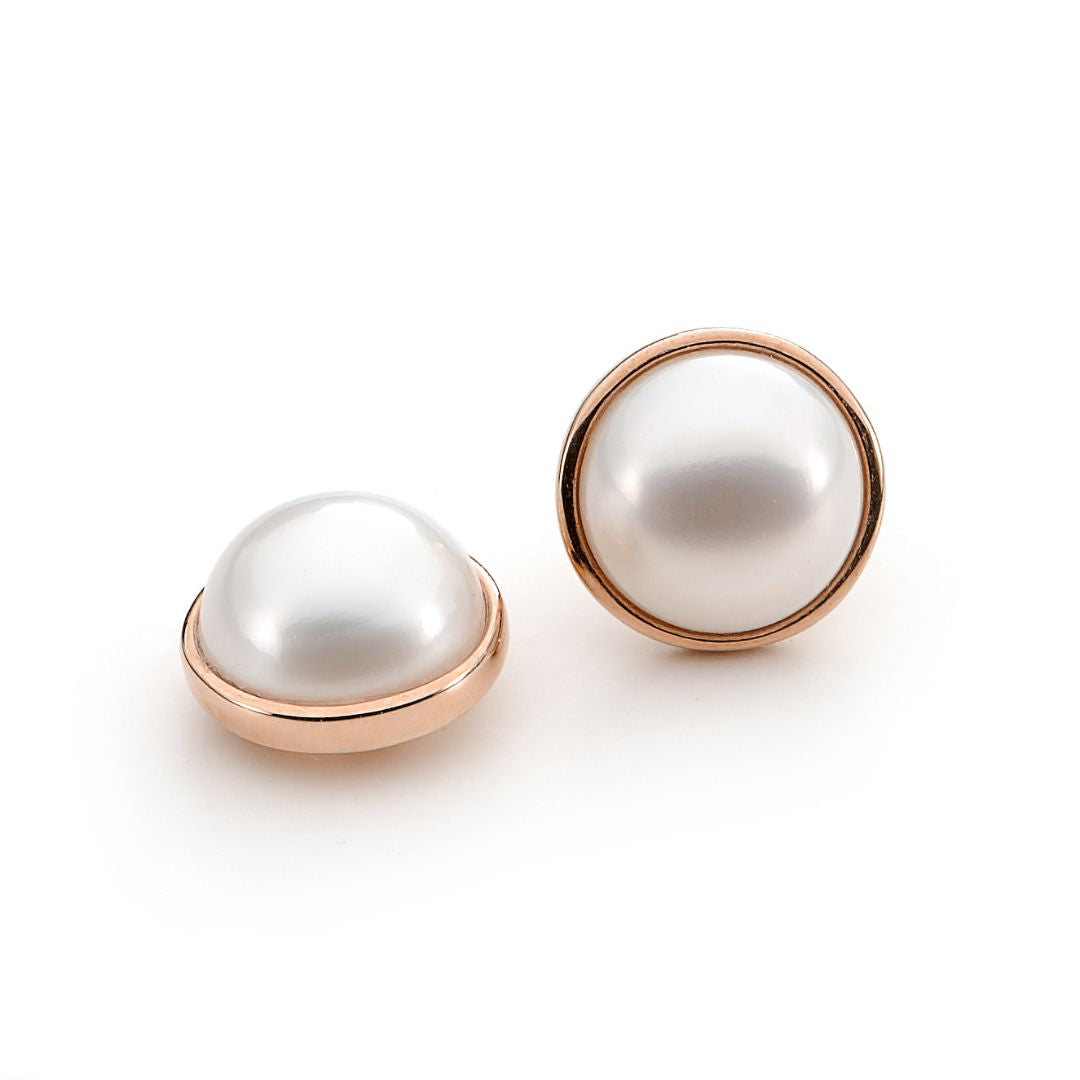
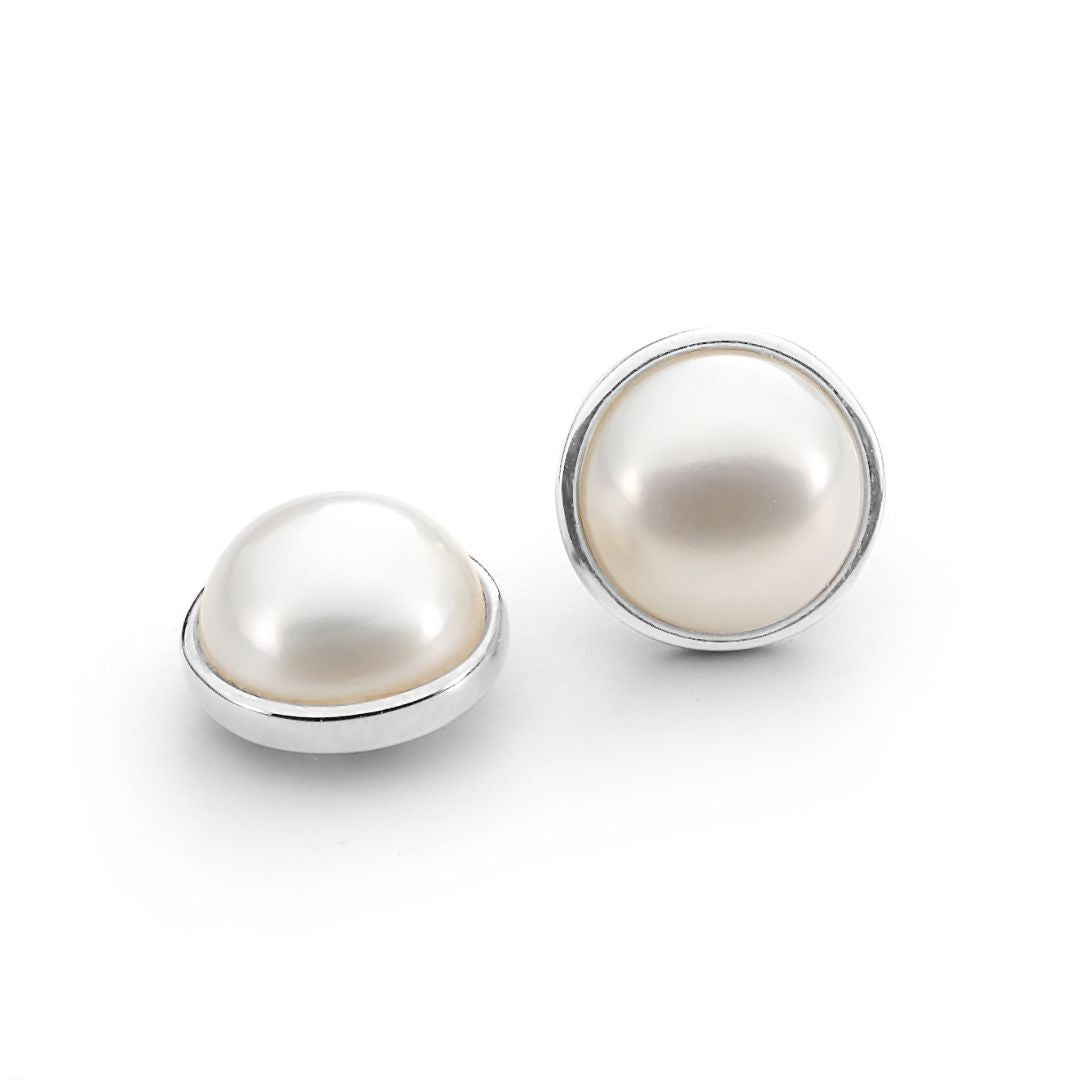
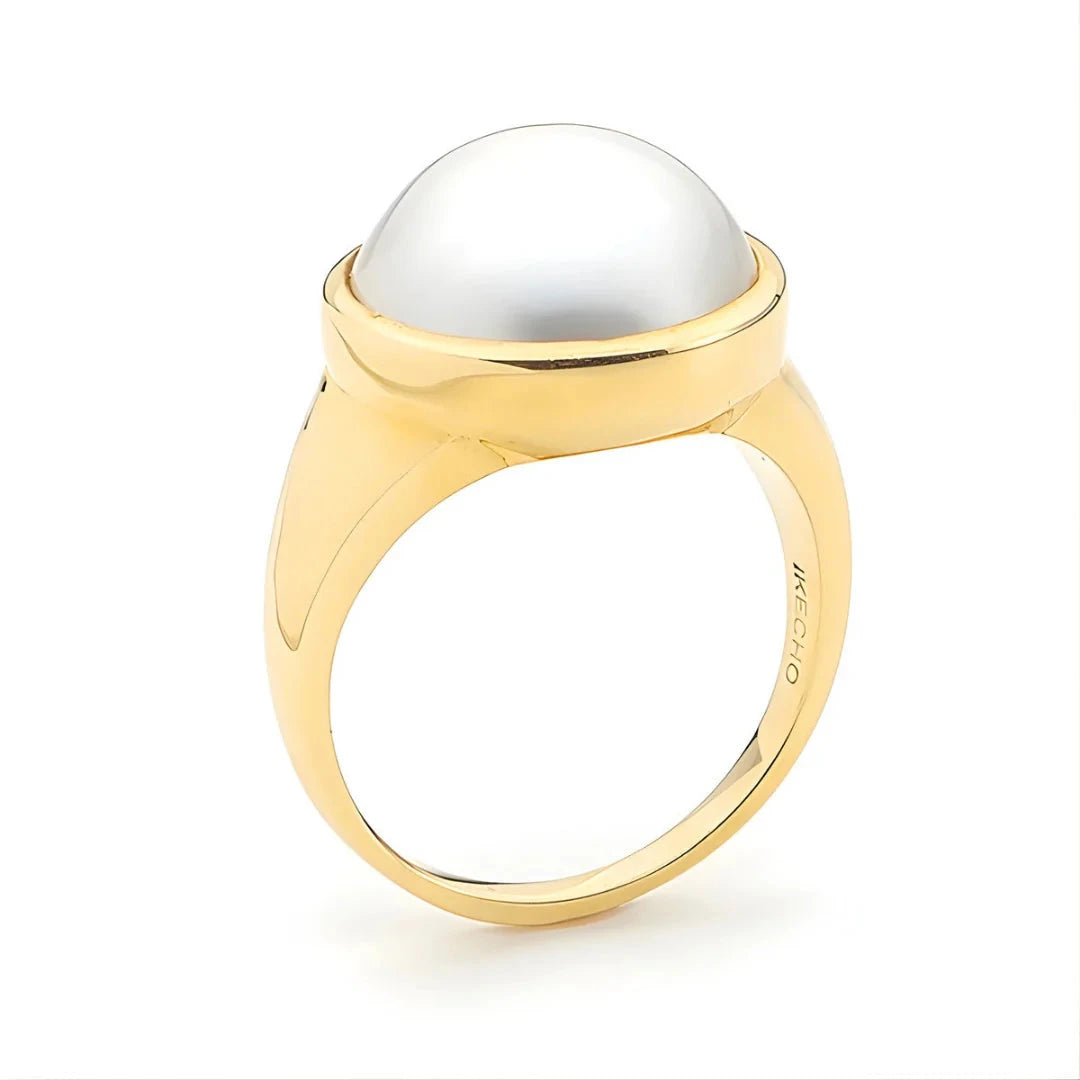
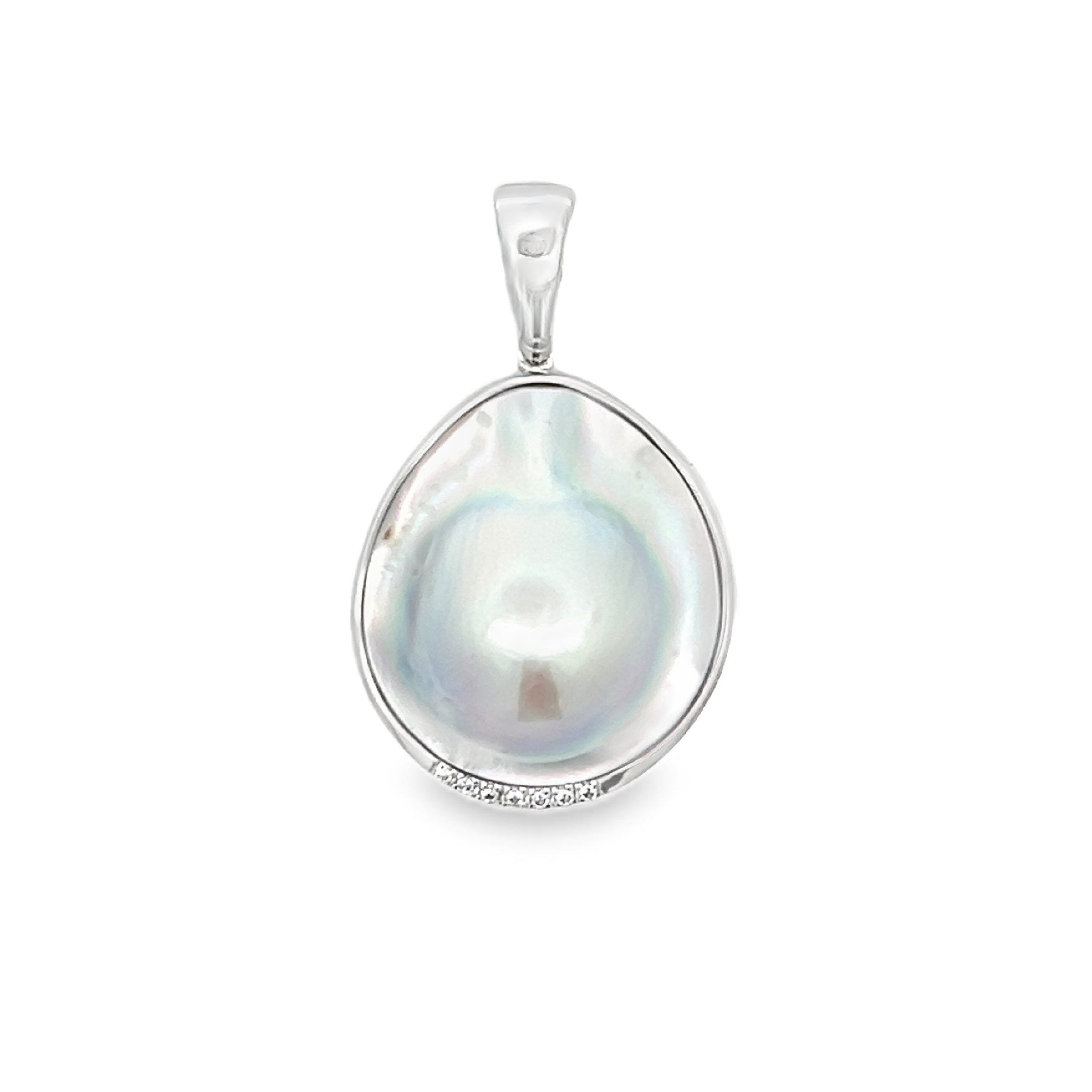
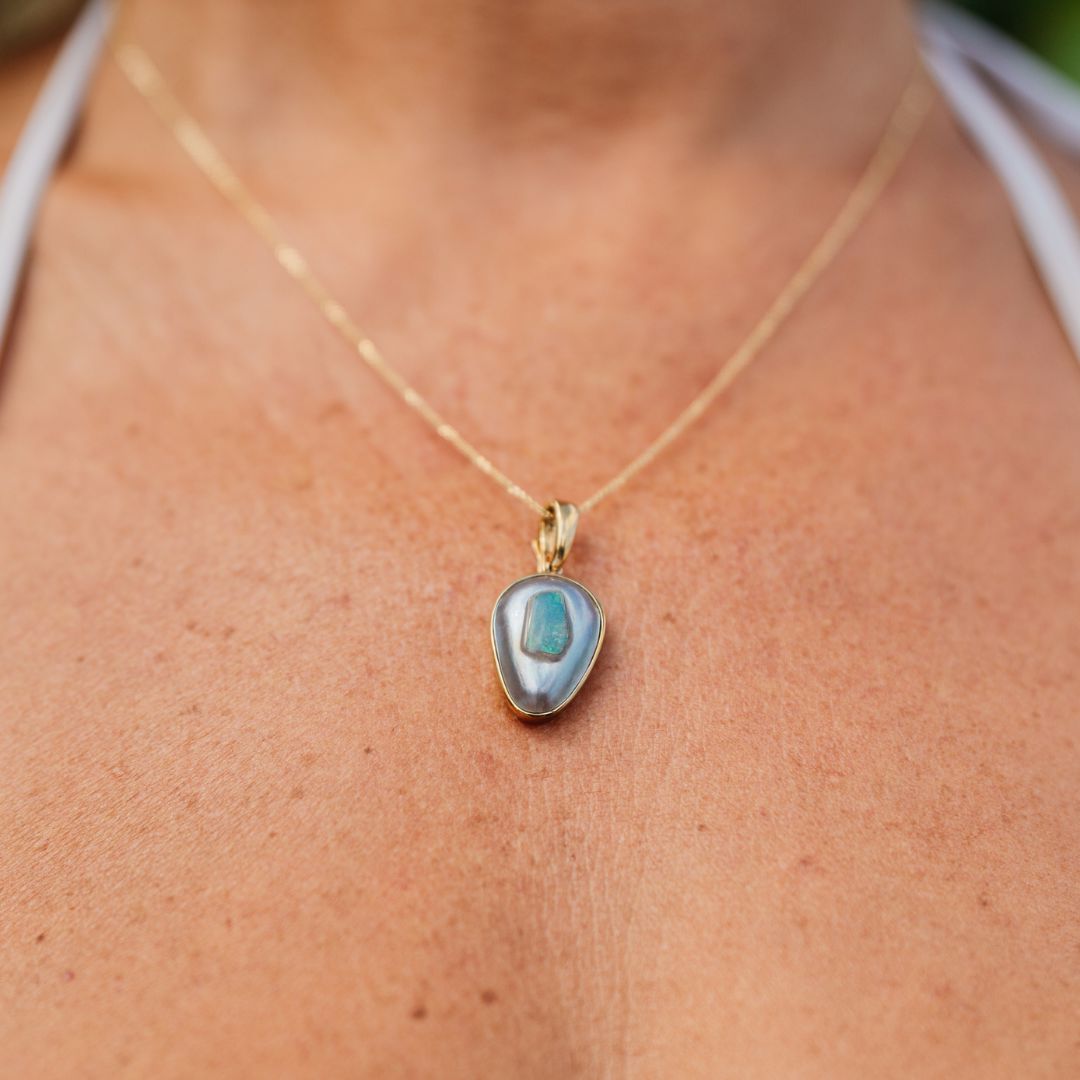
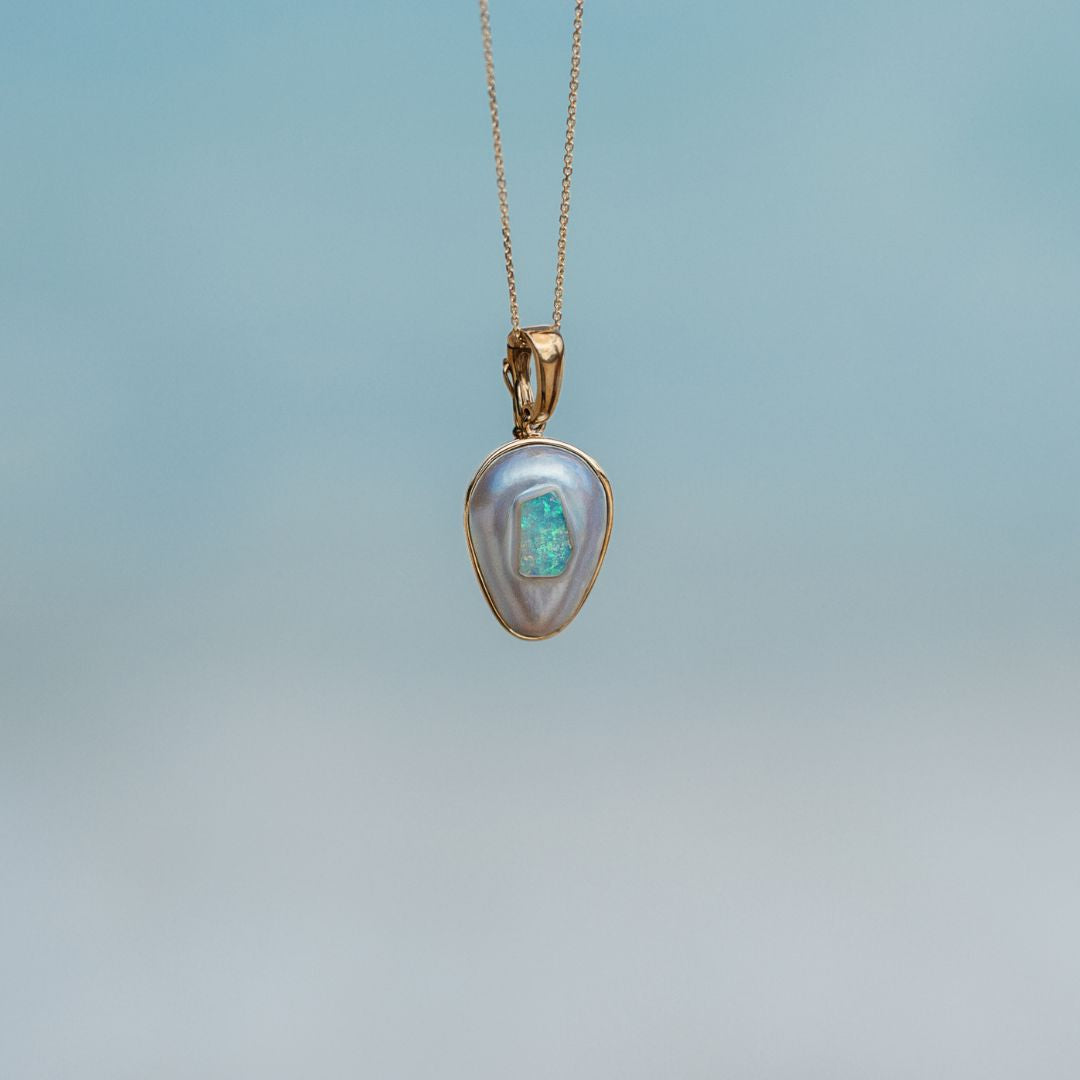
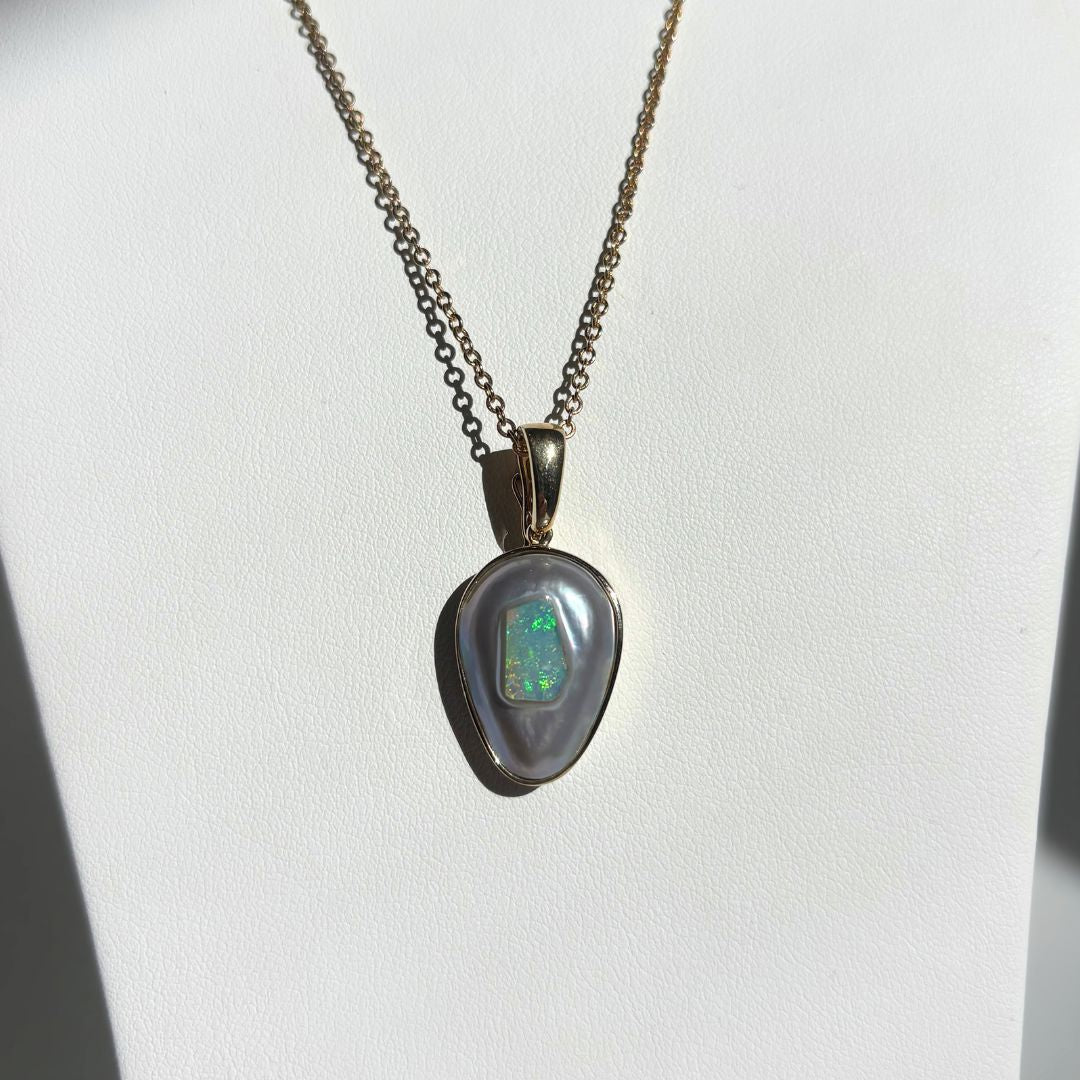
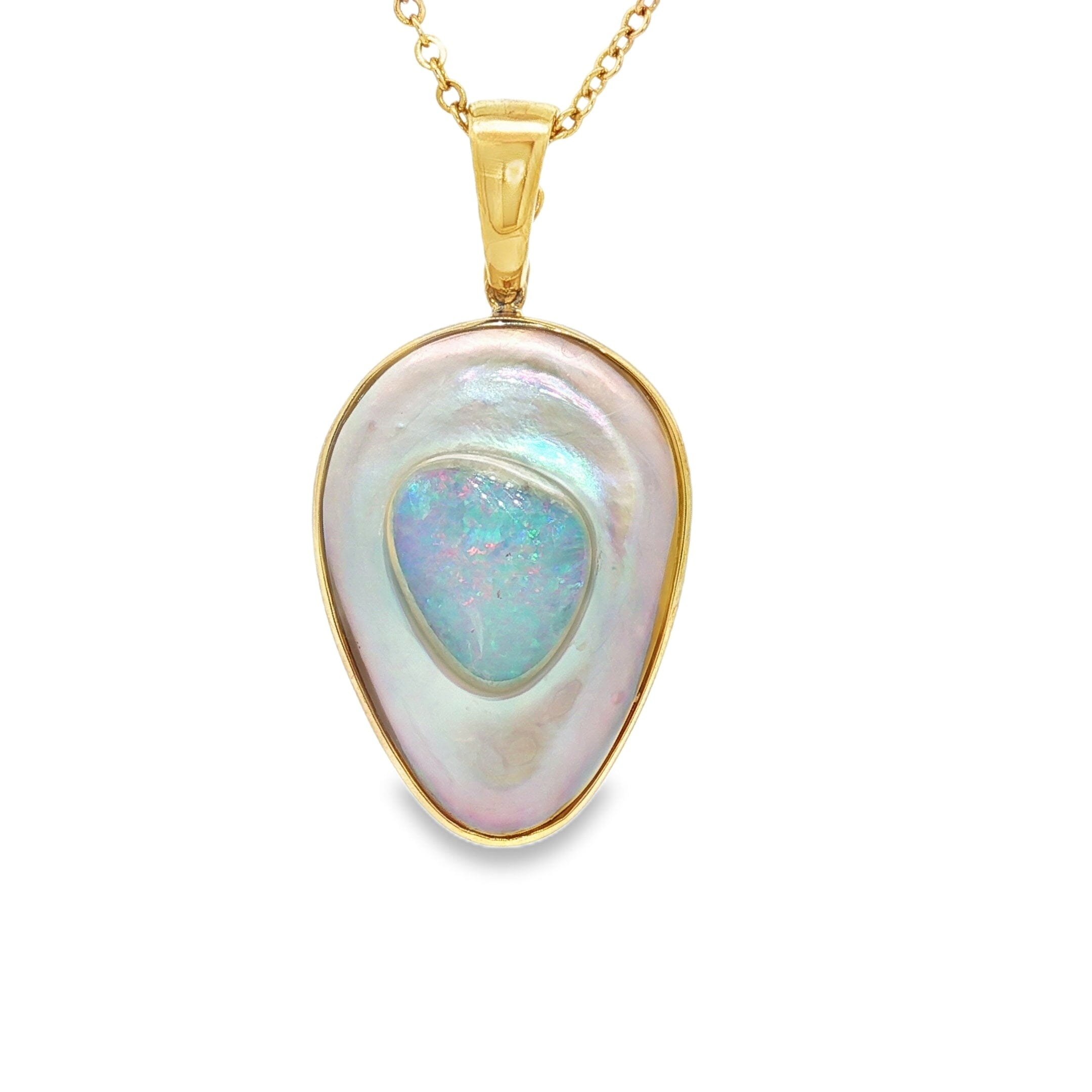
Elegant, luminous, and beautifully distinctive, Mabe pearls are admired for their soft lustre and unique domed shape.
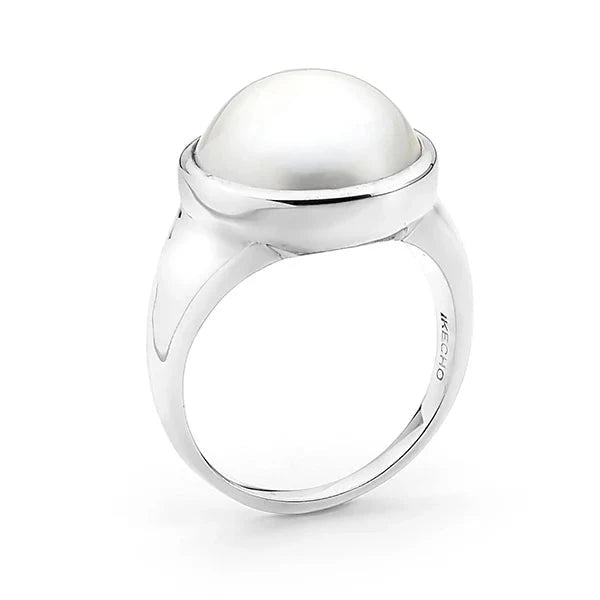
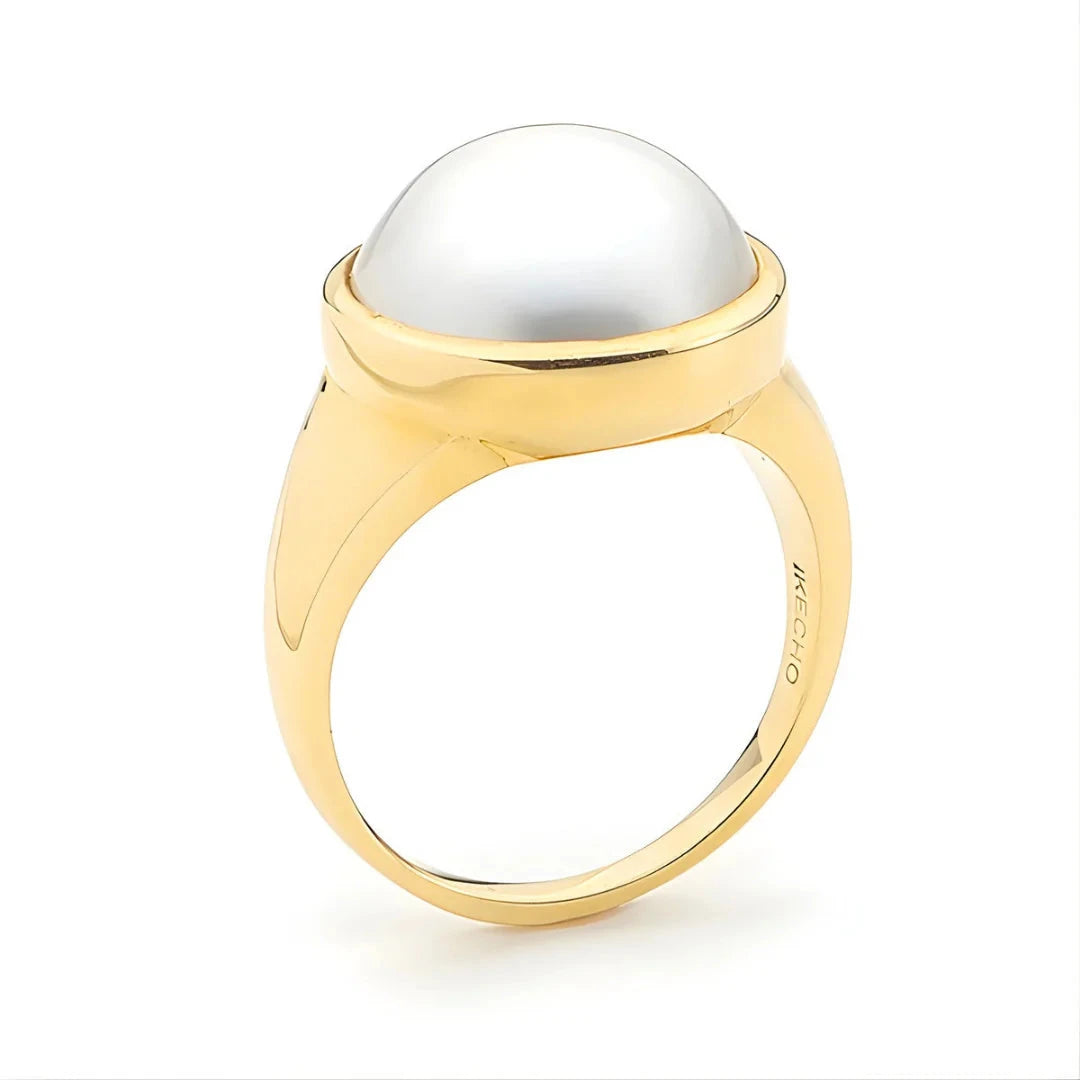
Unlike traditional round pearls, Mabe pearls are cultivated against the inner shell of the oyster, creating their signature half-round form and smooth glowing surface. Their larger appearance, lightweight feel, and exceptional lustre make Mabe pearls a timeless choice for statement jewellery.
At Ikecho Australia, our Mabe pearl jewellery is carefully selected for its beauty, craftsmanship, and natural elegance.
- ORIGIN: Australia, Indonesia, Philippines
- MOLLUSC: Silver lipped oyster, Black lipped oyster, Penguin oyster
- SPECIES: Pinctada maxima, Pinctada margaritifera, Pteria Penguin
- SIZE RANGE: 8.0mm - 15.0mm; Average size 10.0mm - 13.0mm
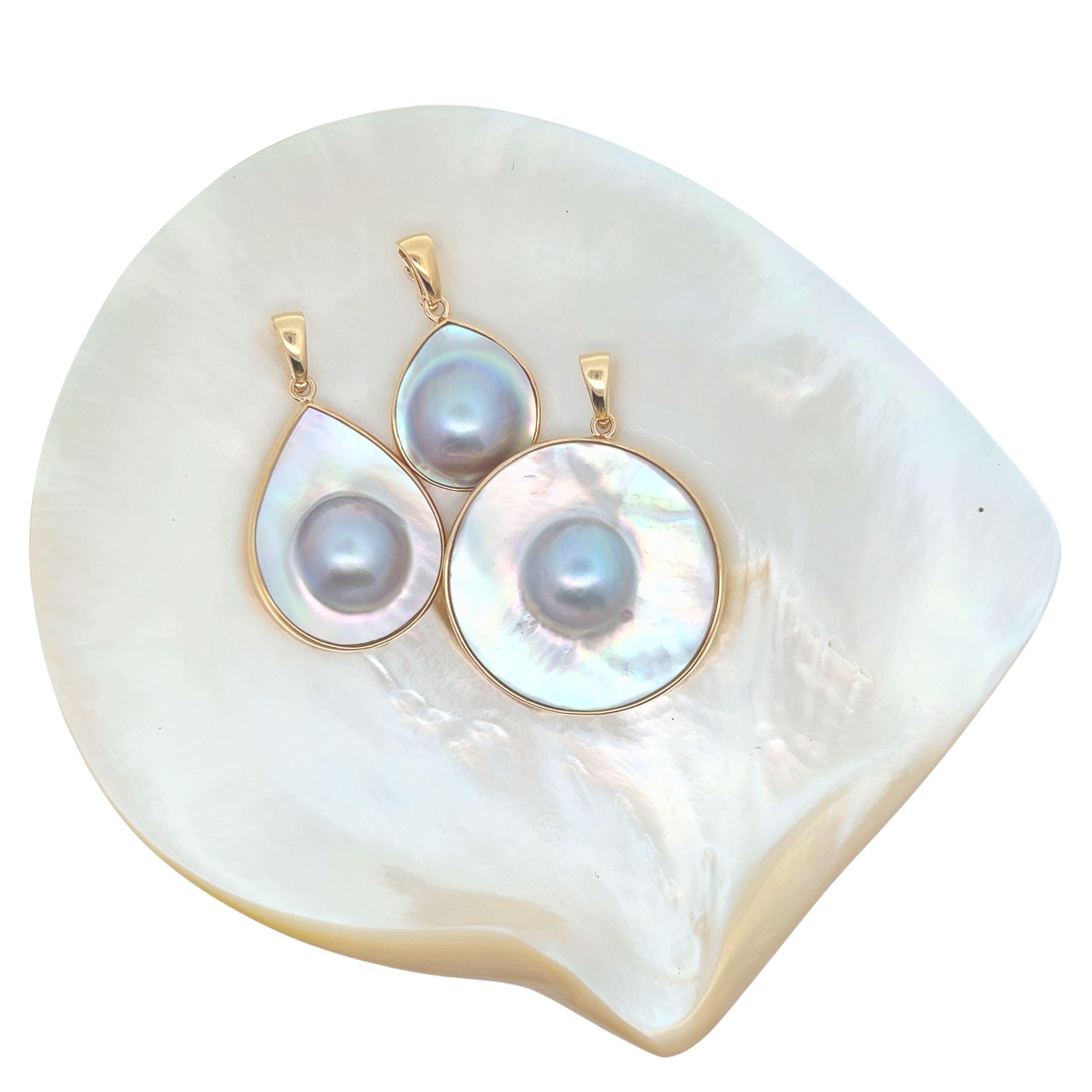
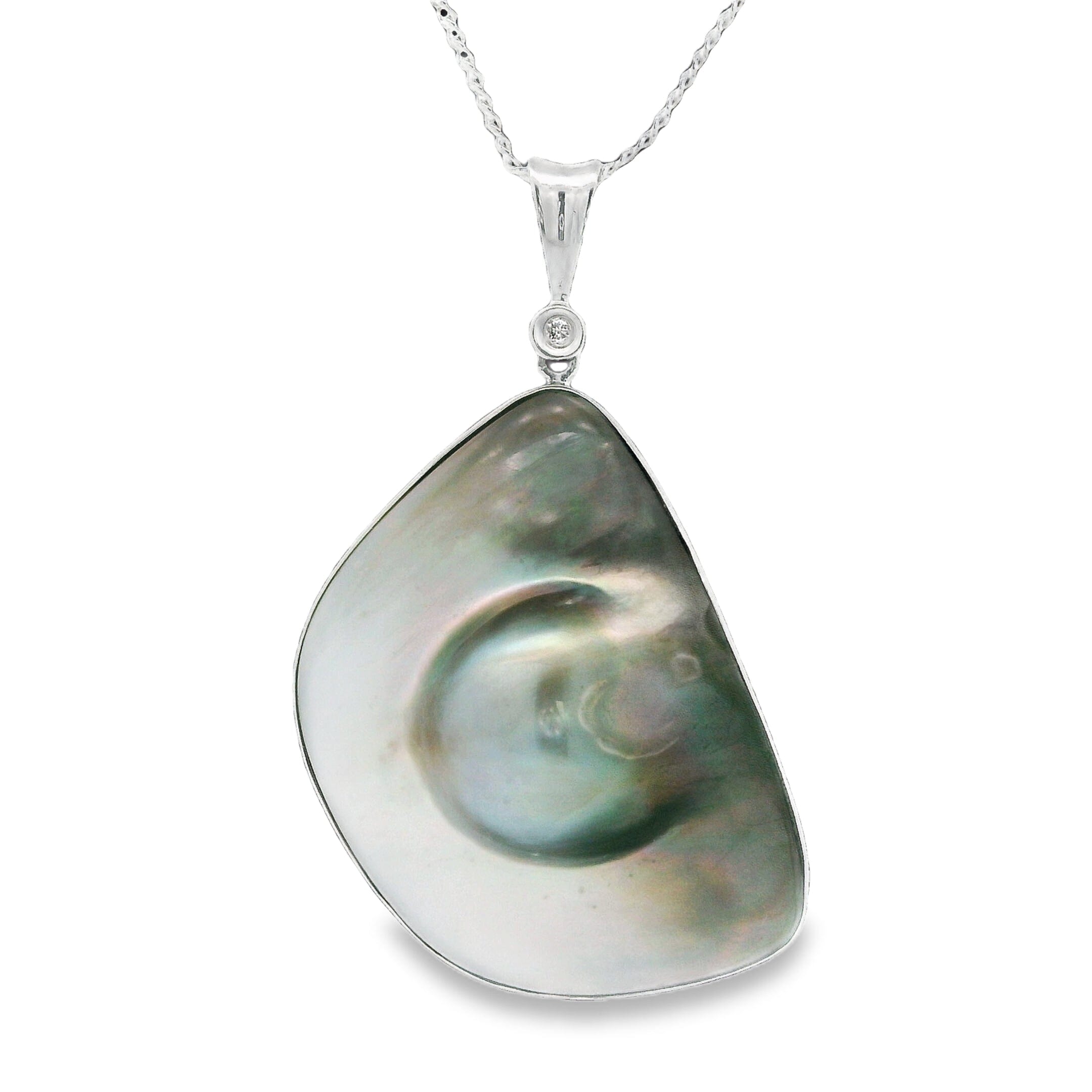
- NATURAL COLOURS: White, cream, champagne, gold, silver, green, peacock
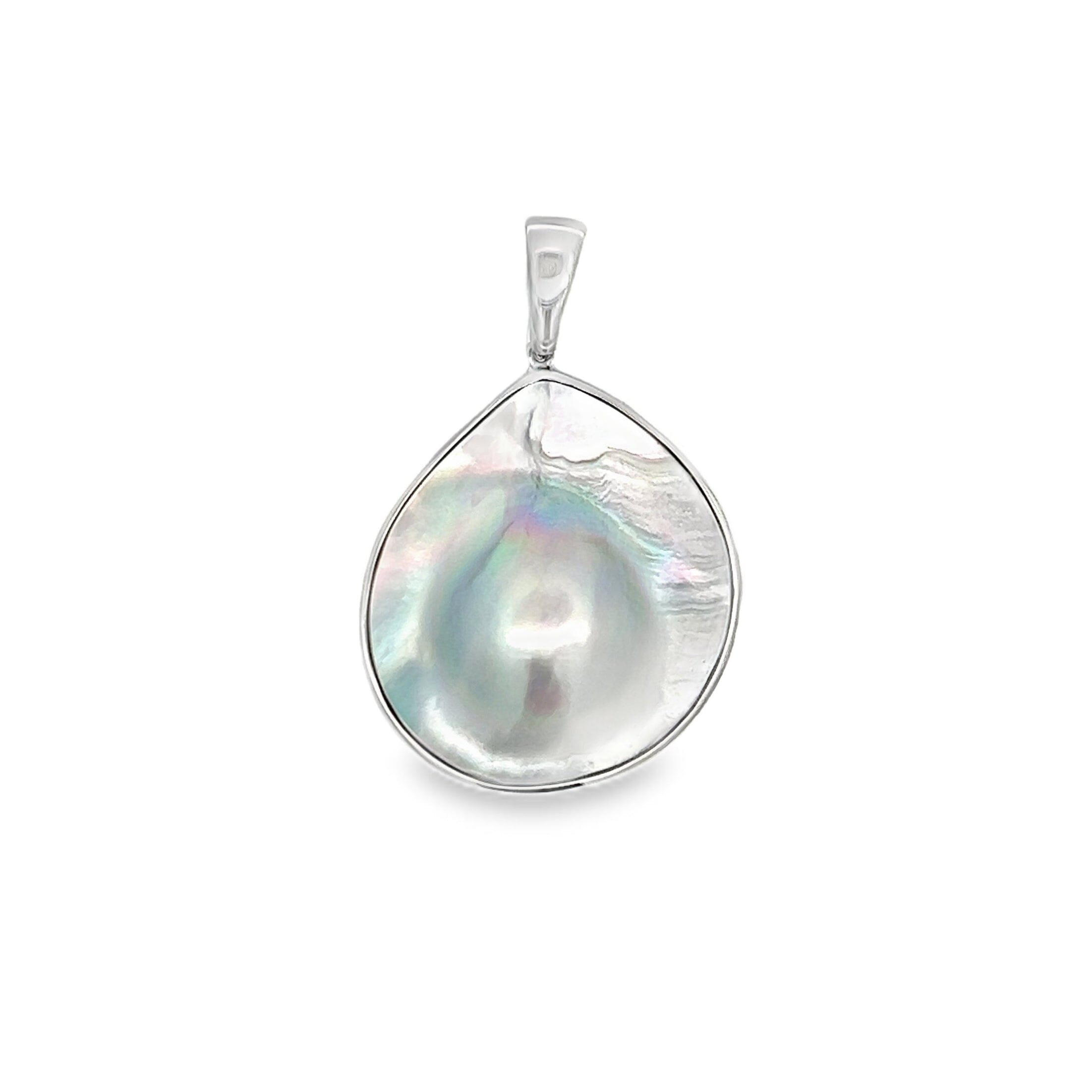
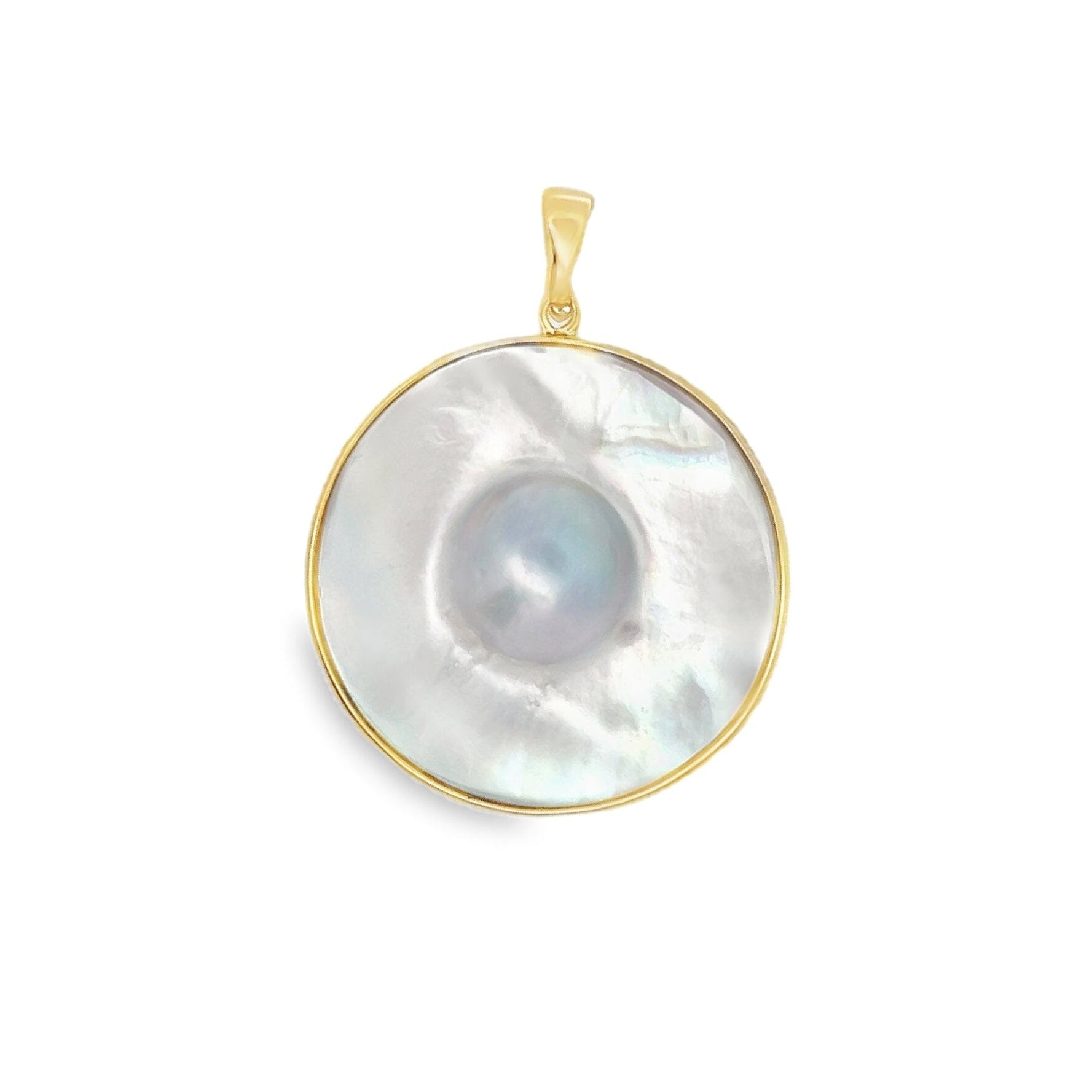
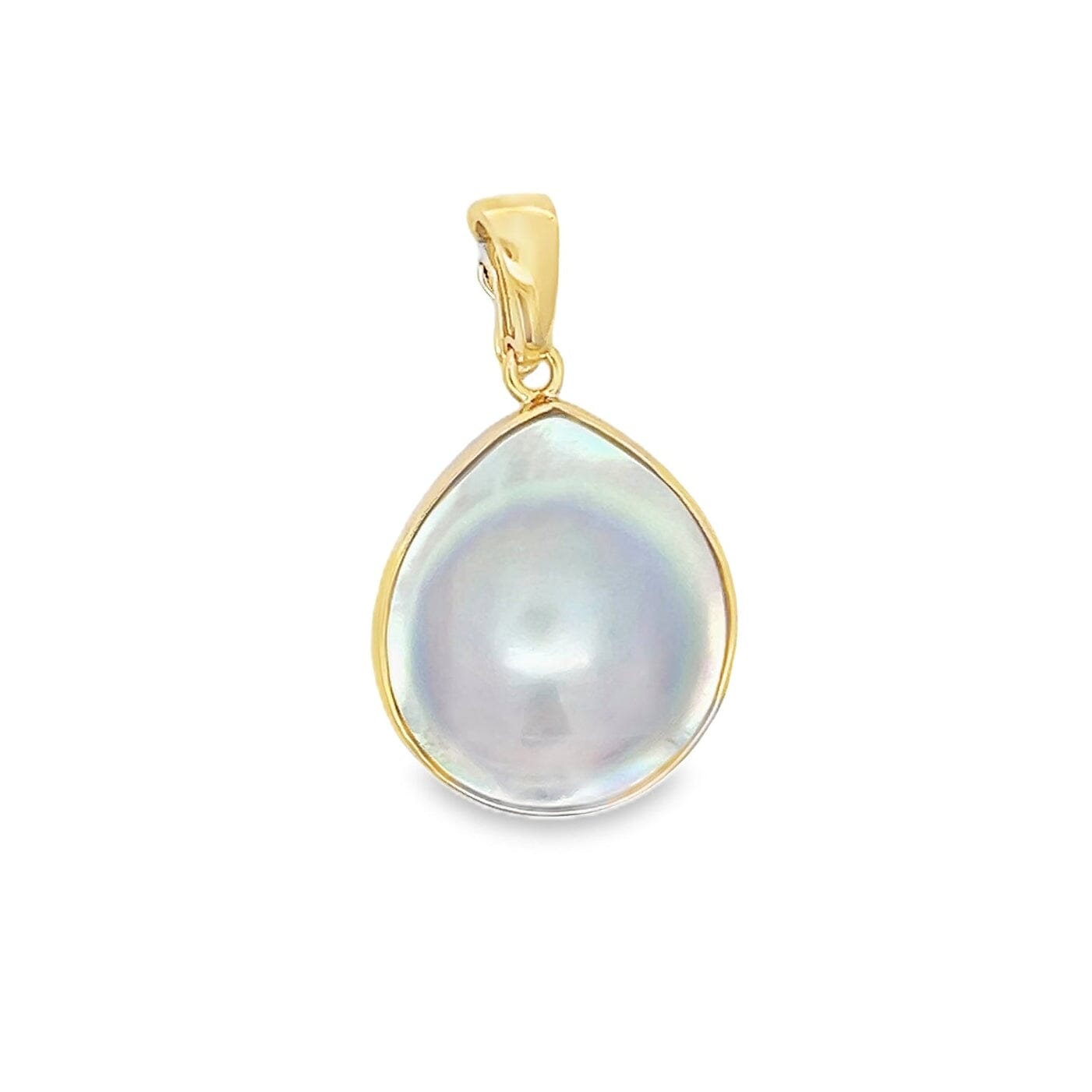
- SHAPE: Hemispherical, dome
- RARITY: Common
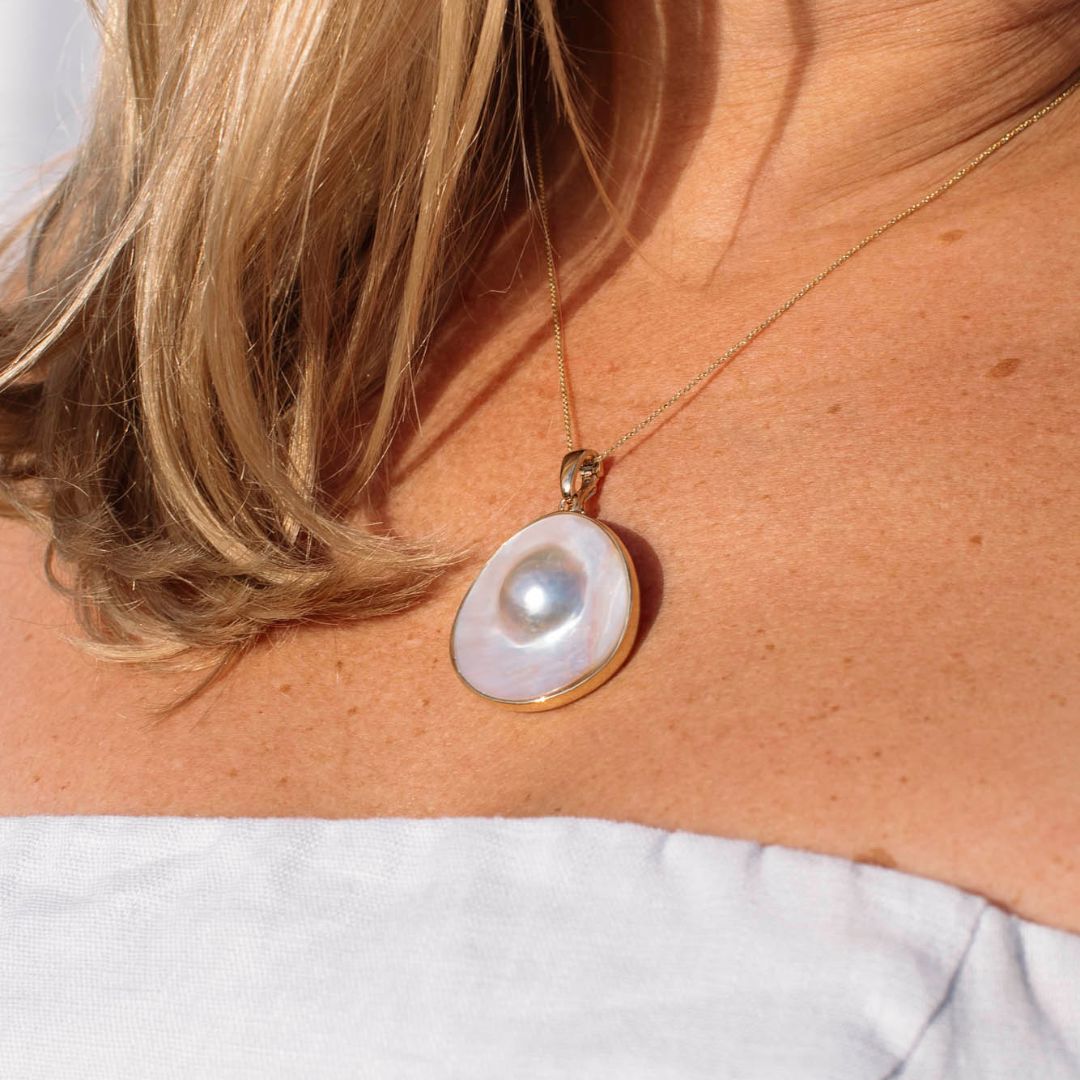
Mabe pearls offer a unique interpretation of classic pearl jewellery.
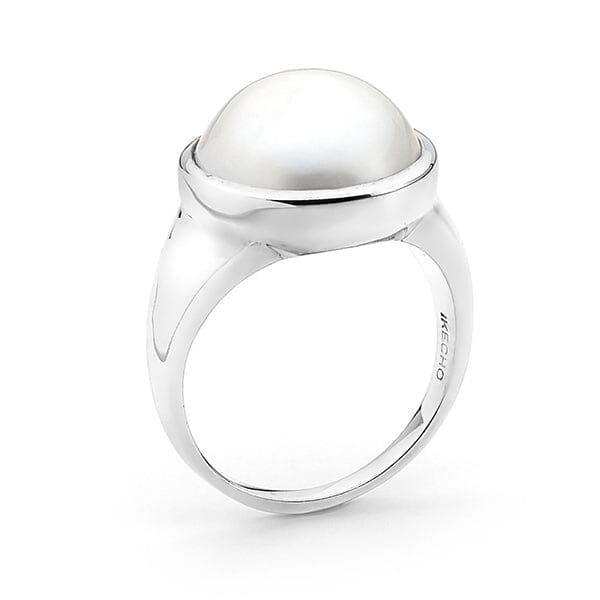
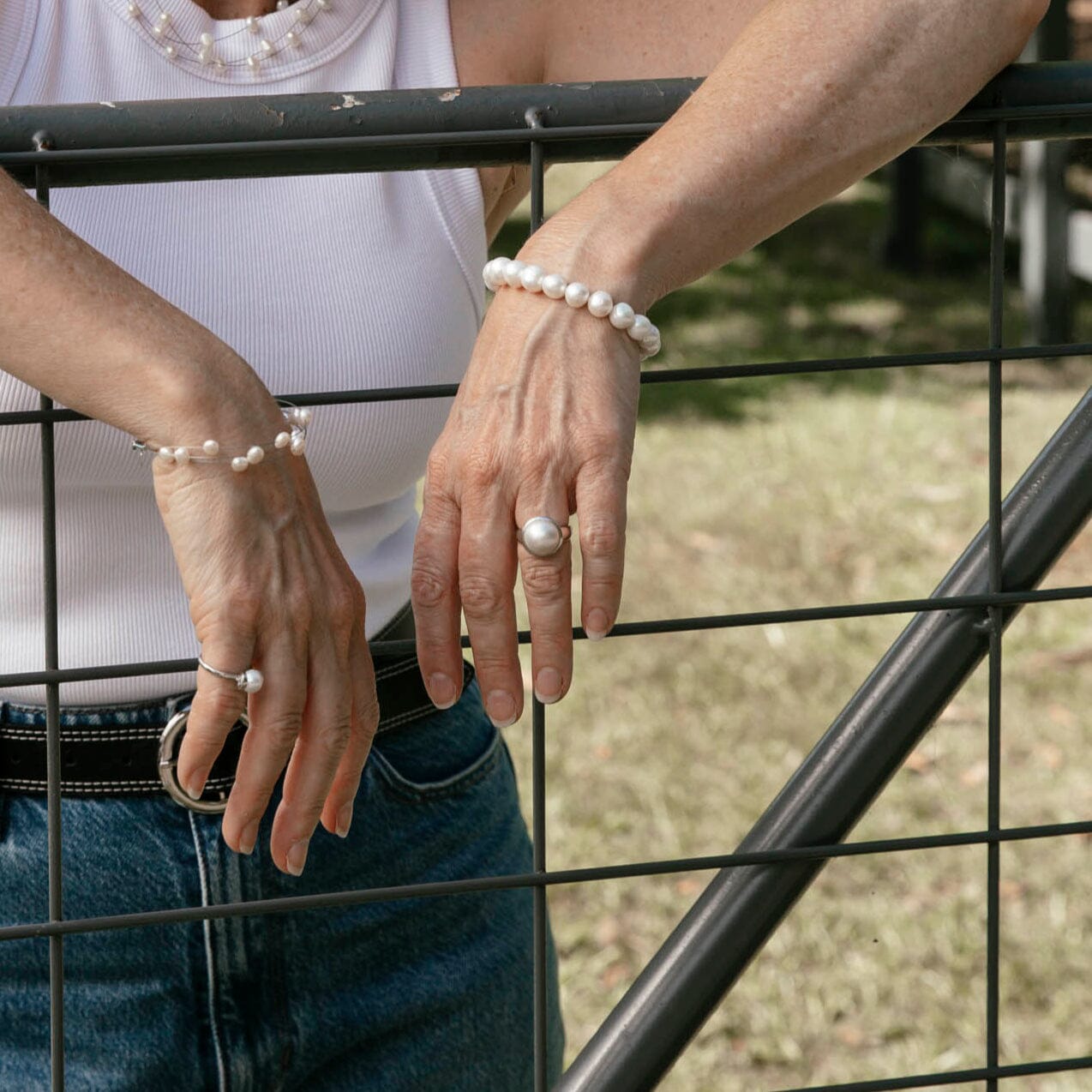
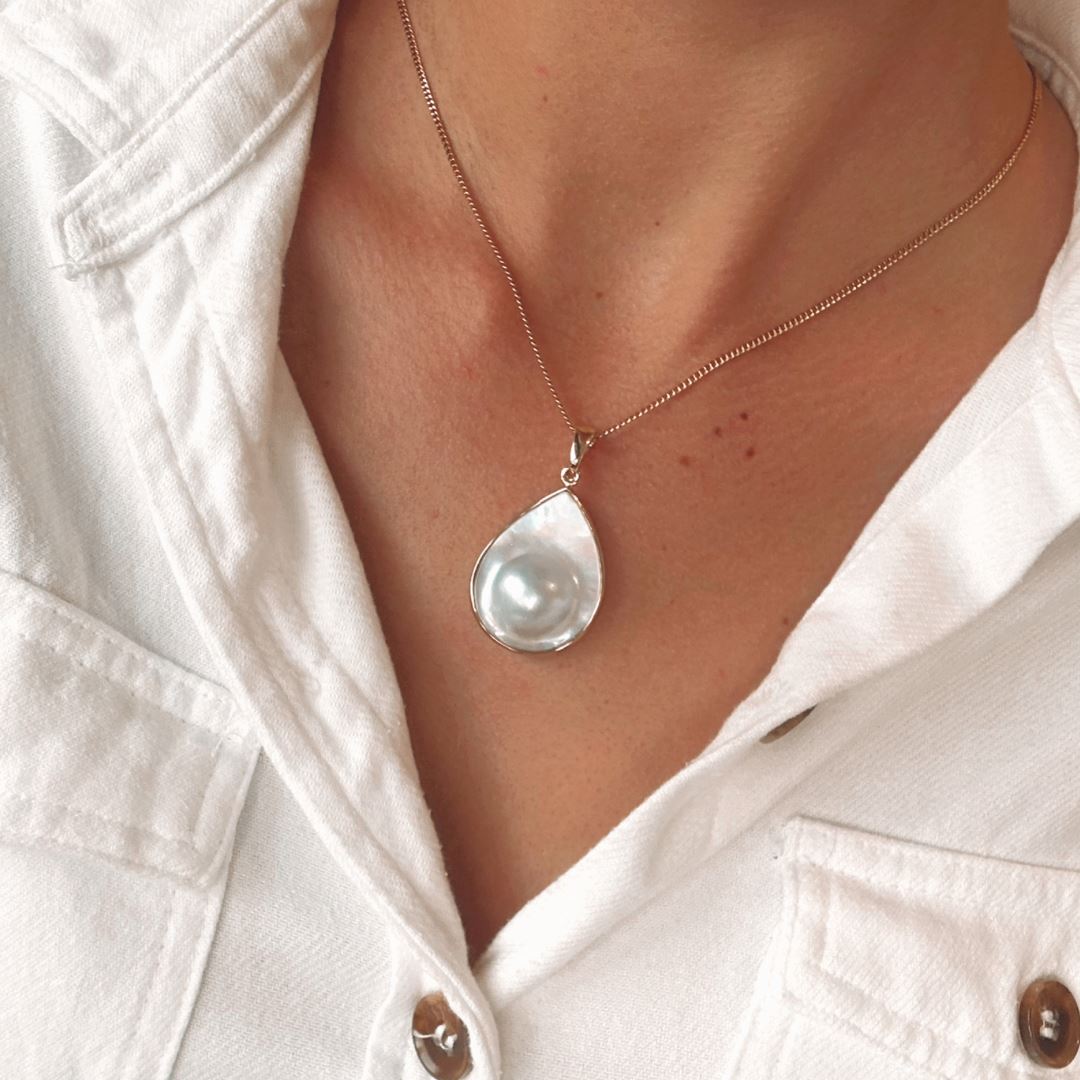
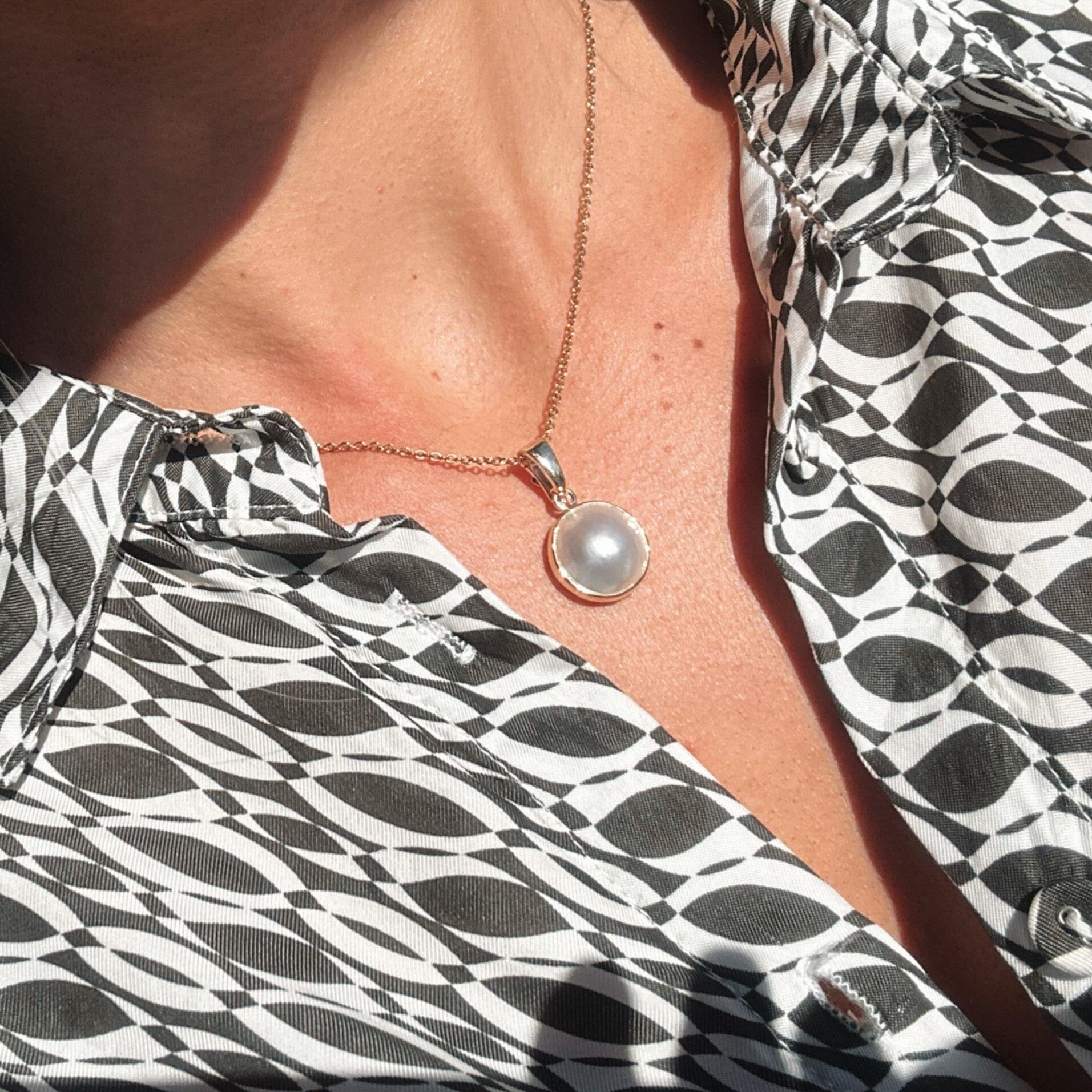
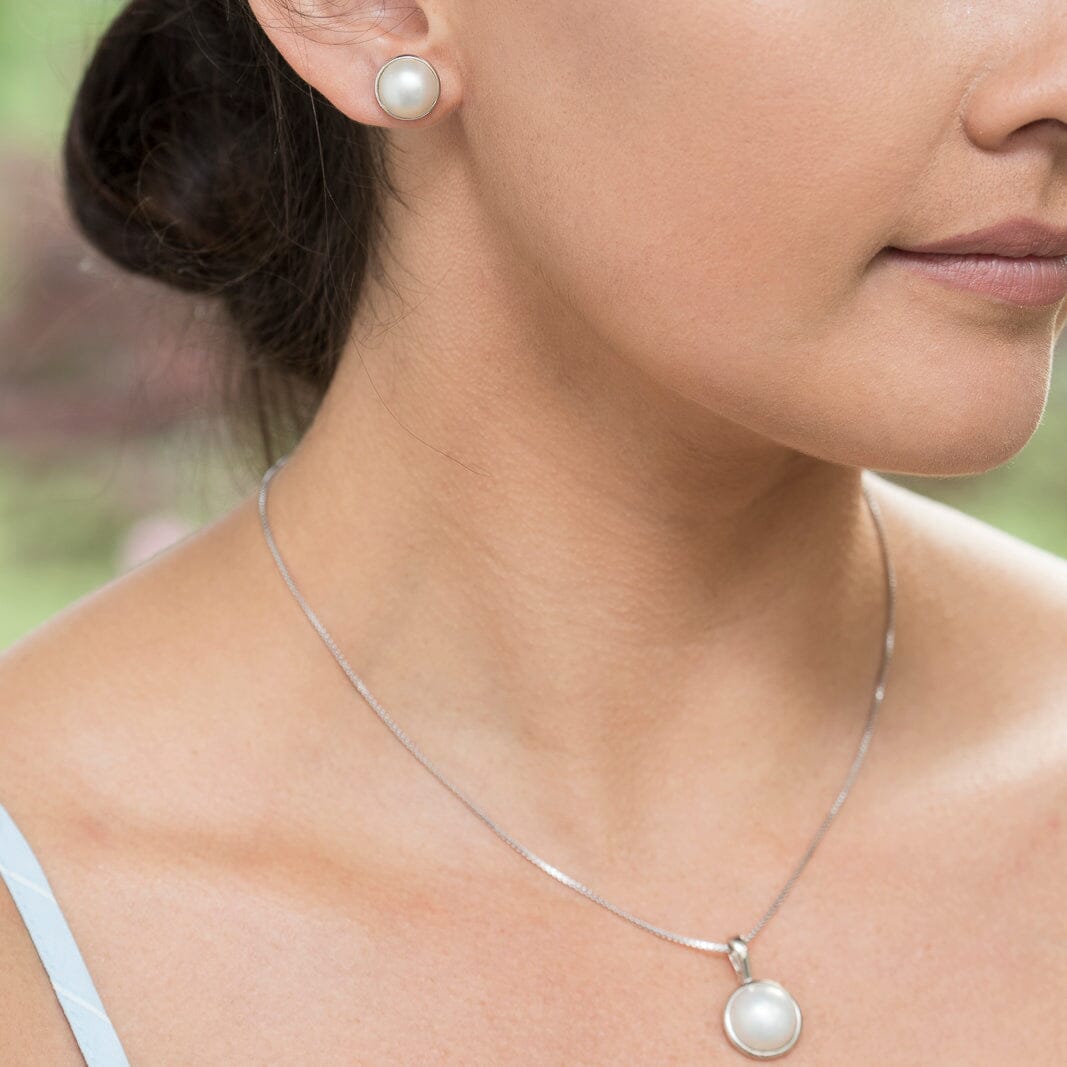
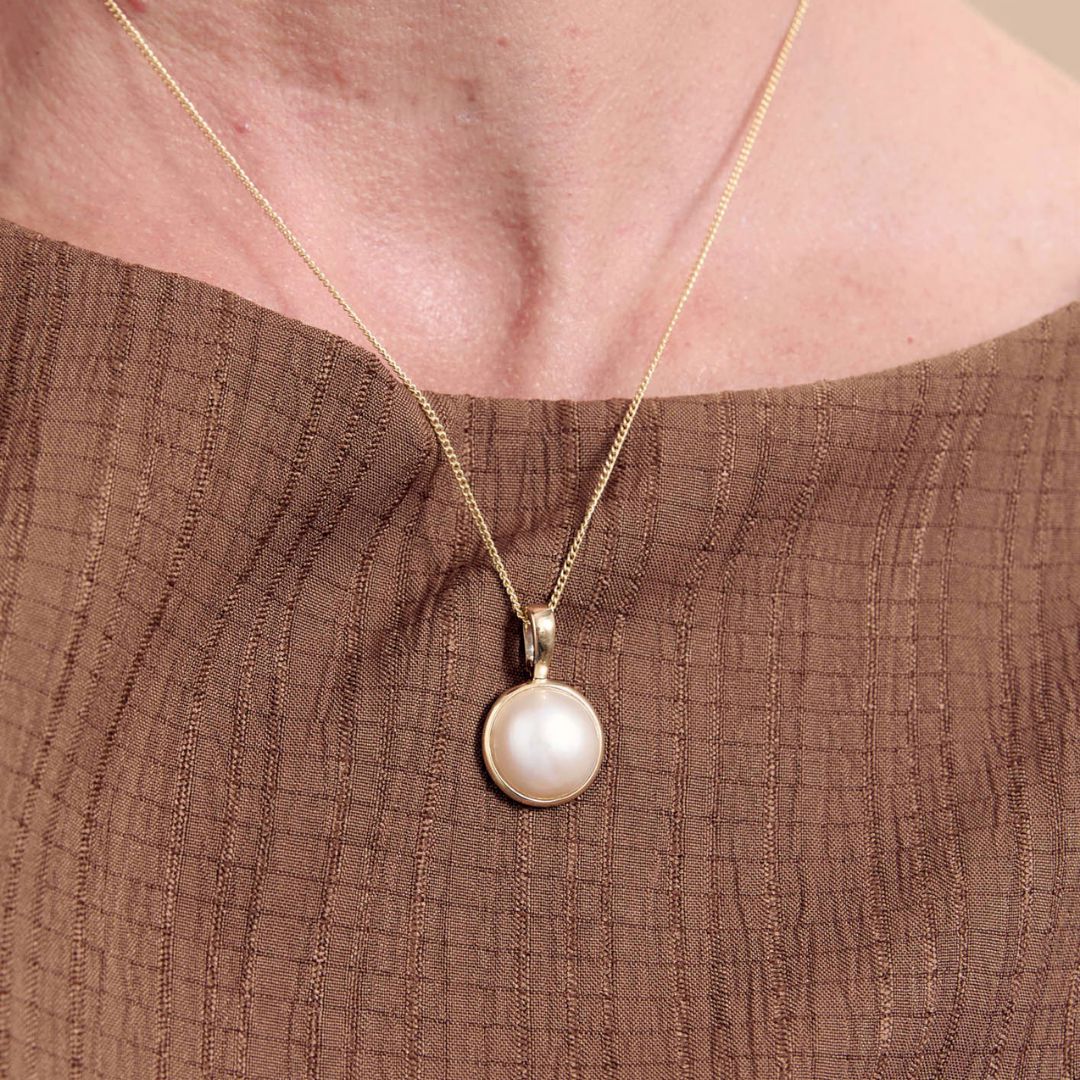
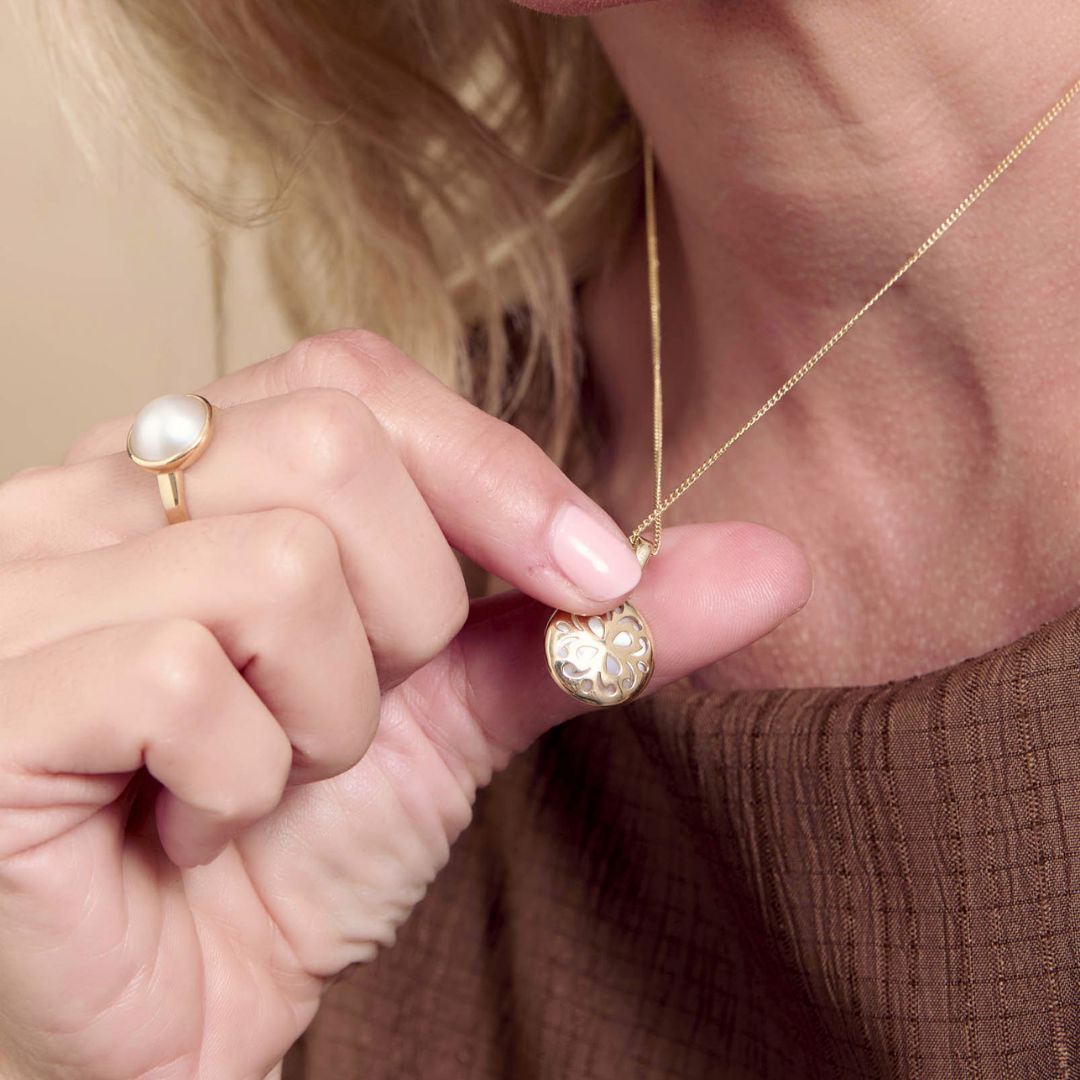
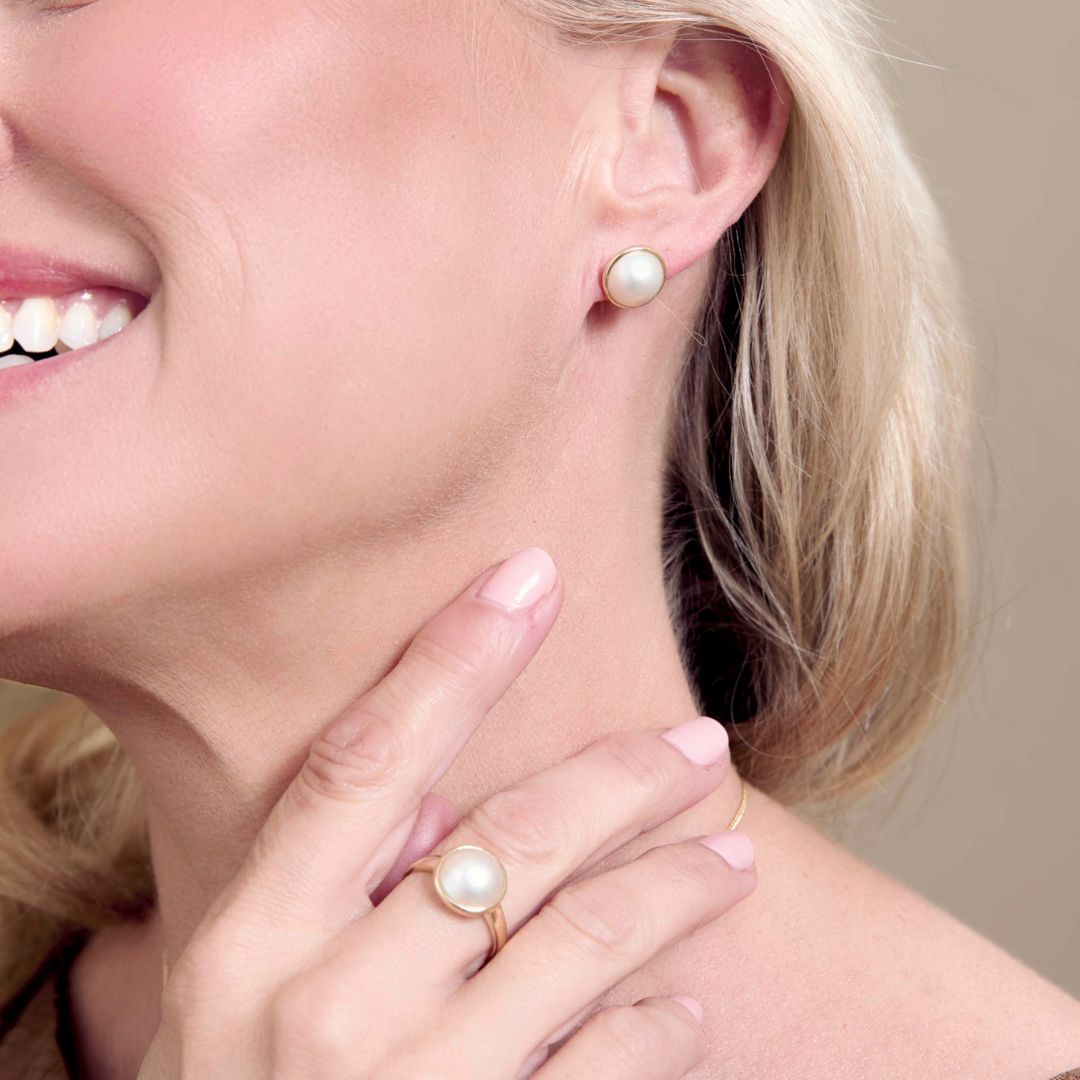
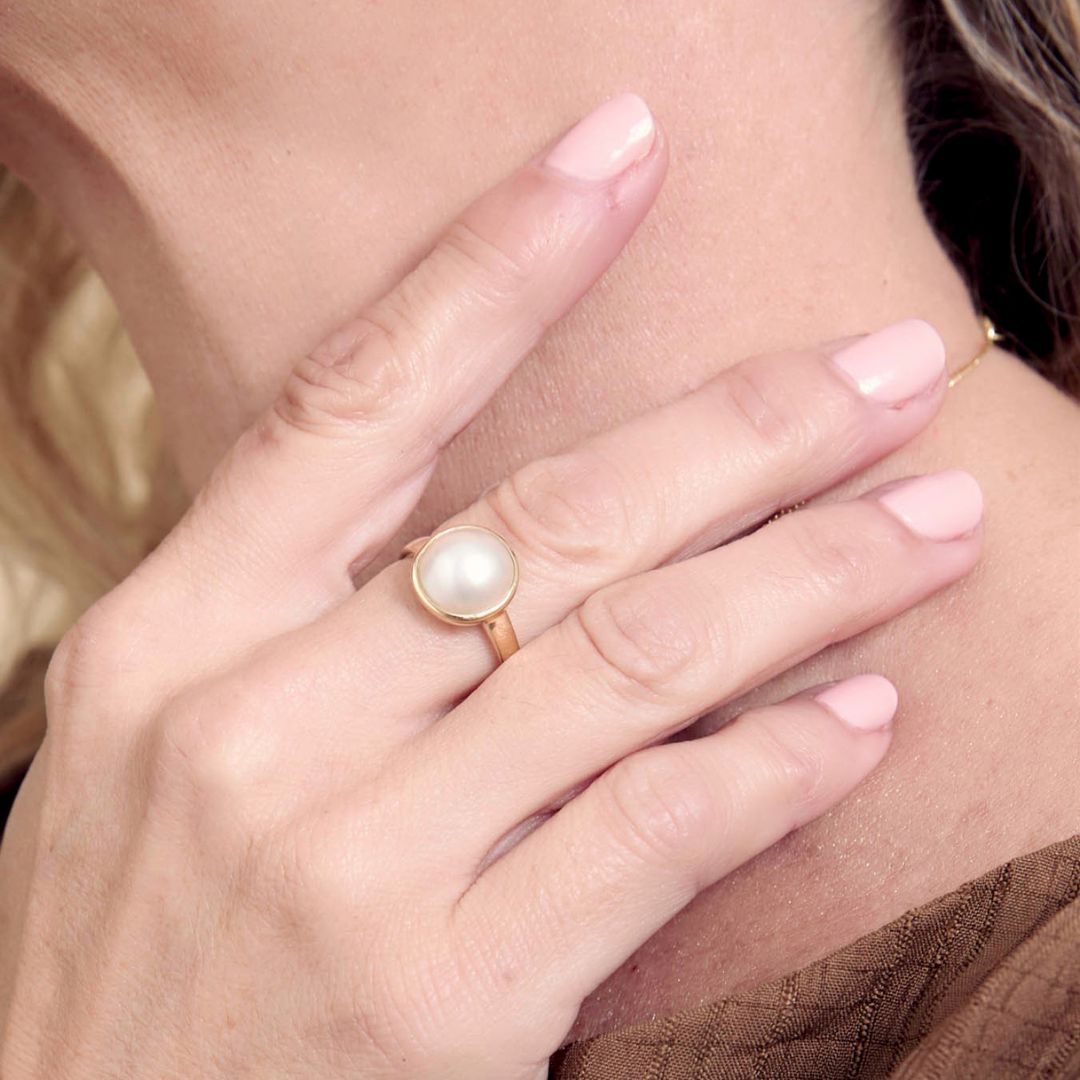
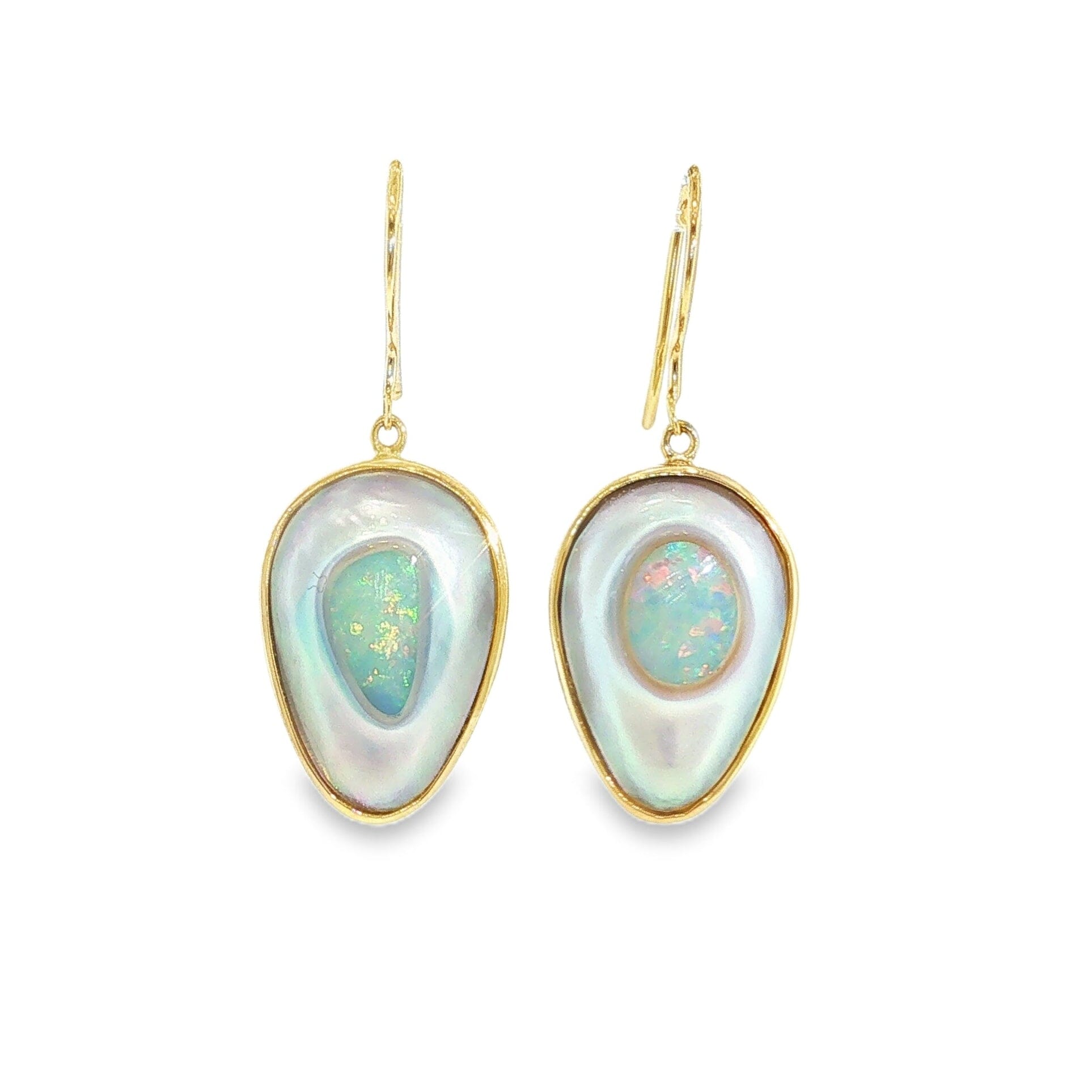
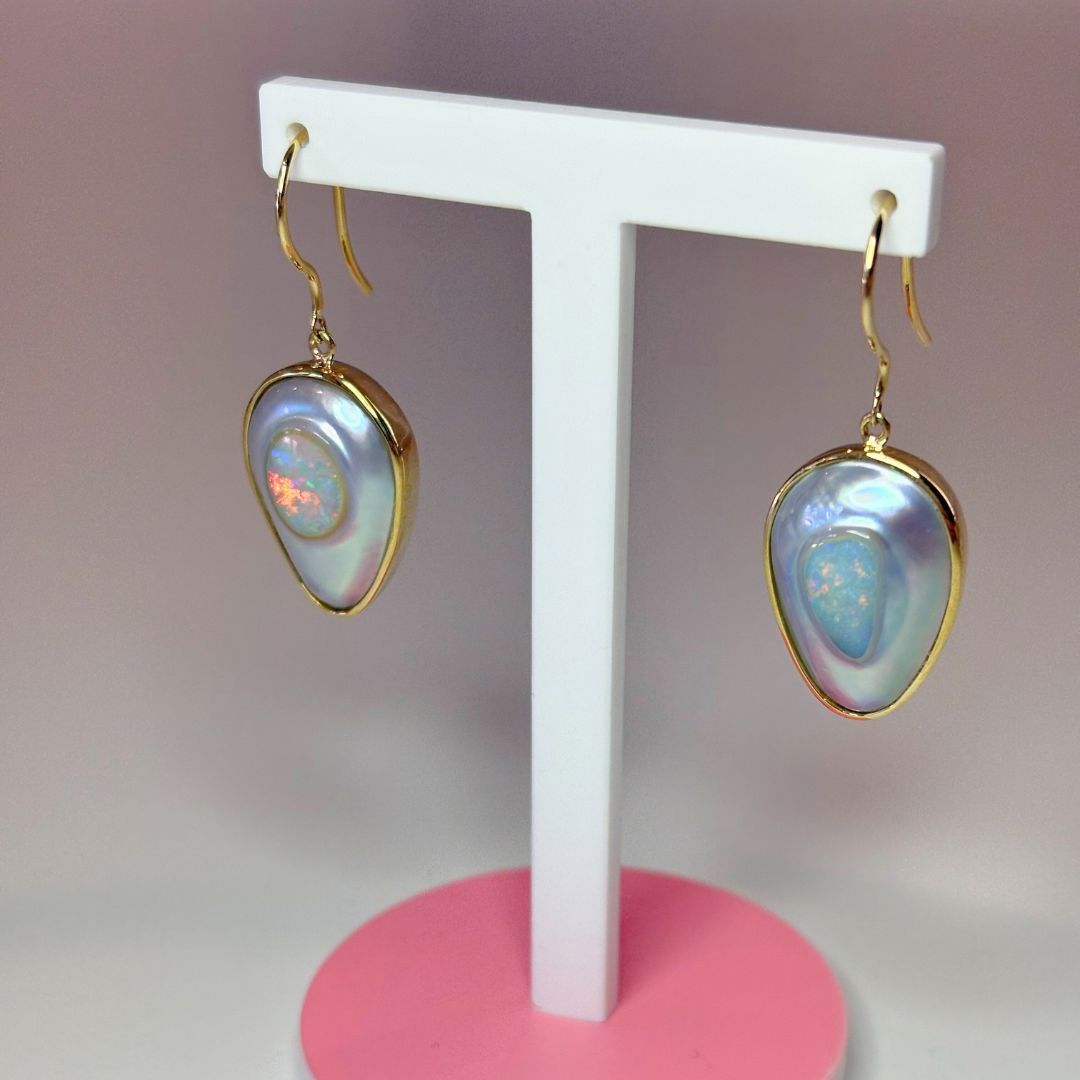
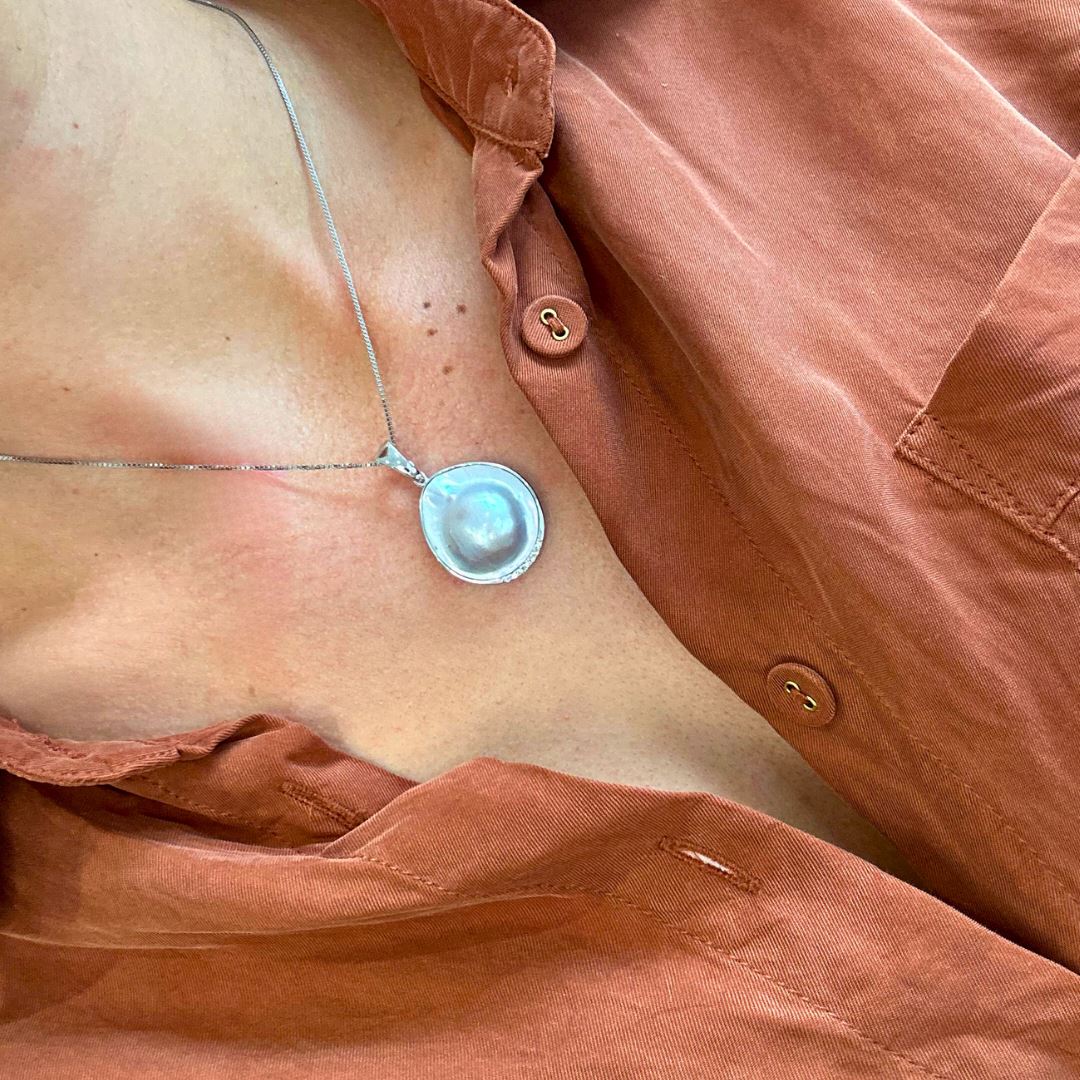
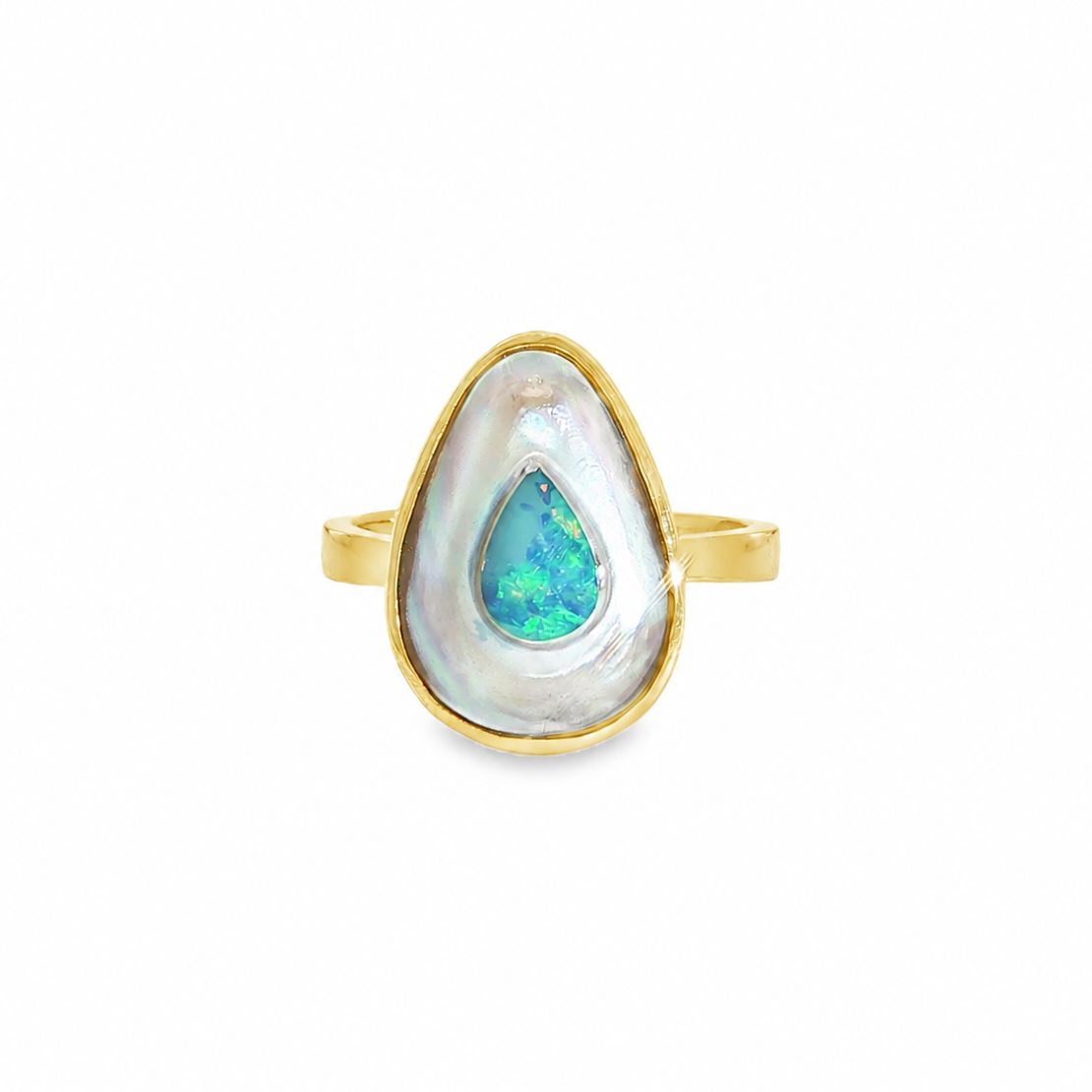
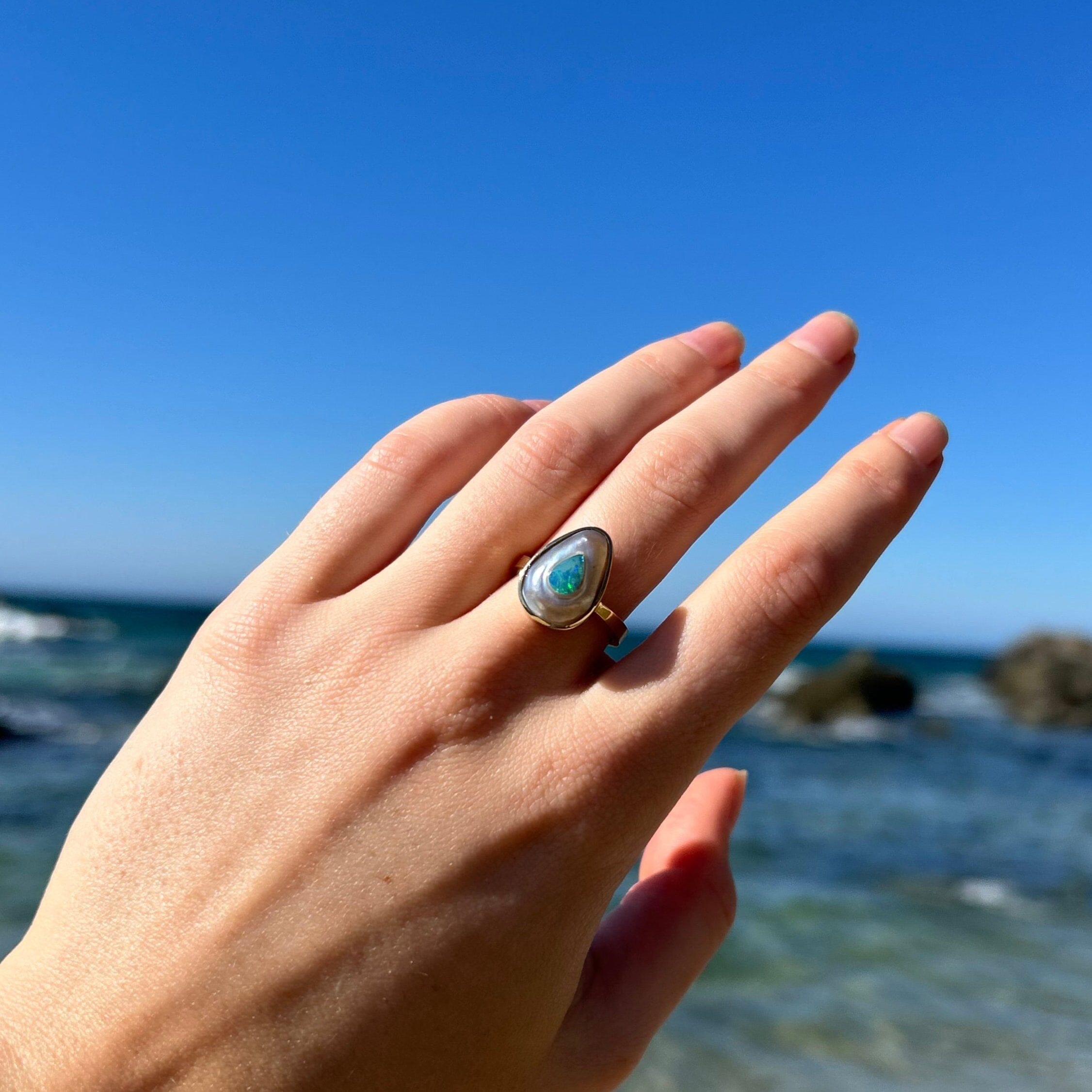
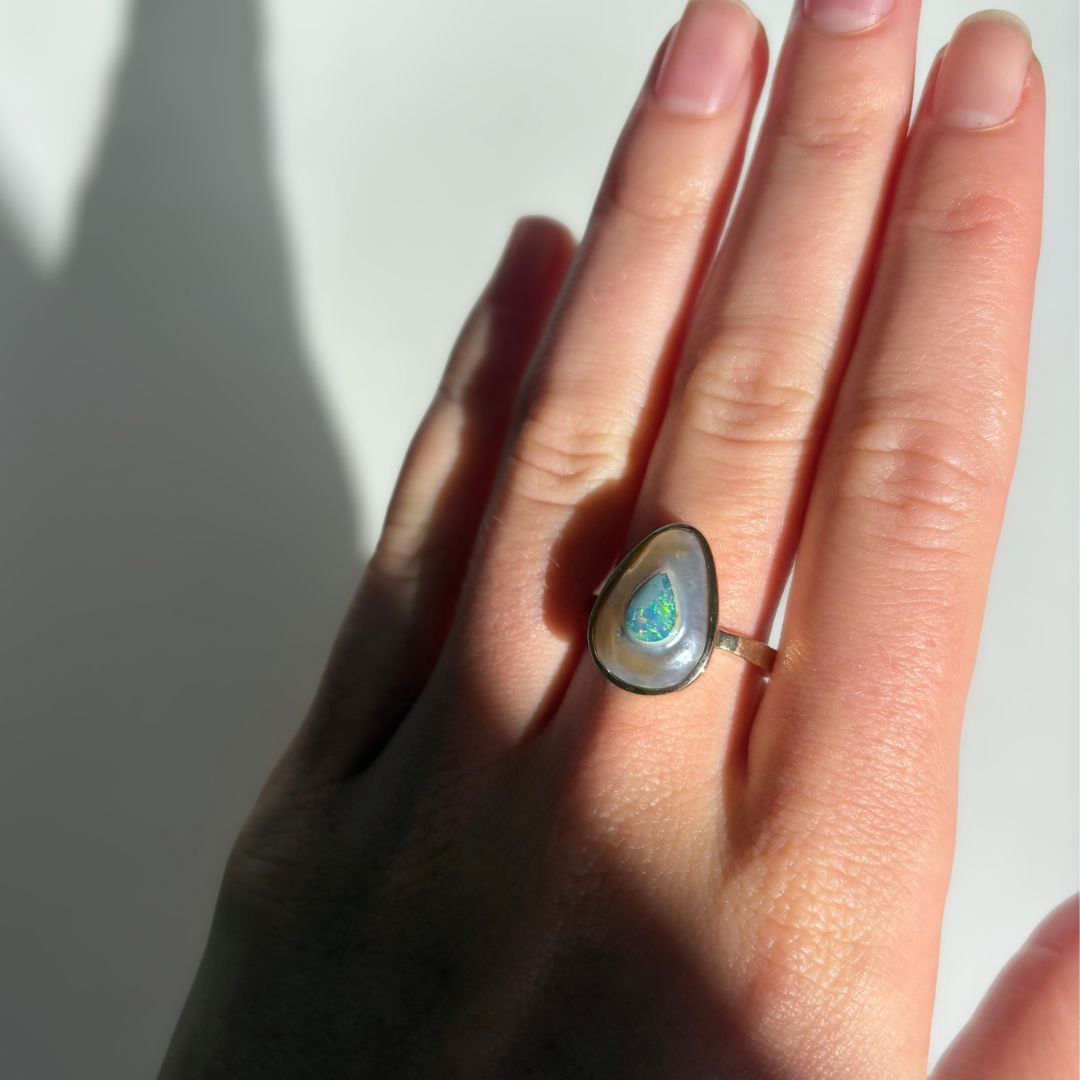
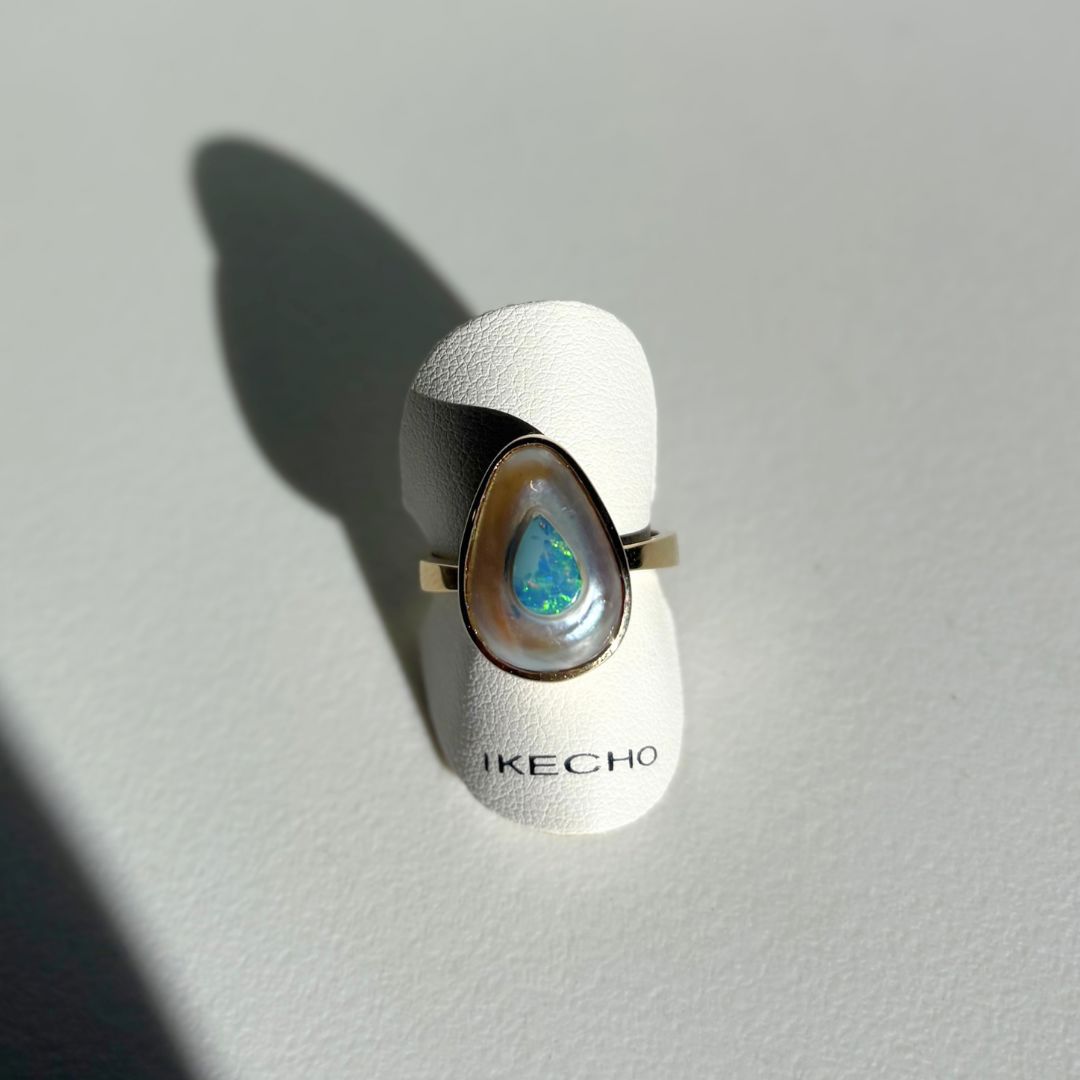
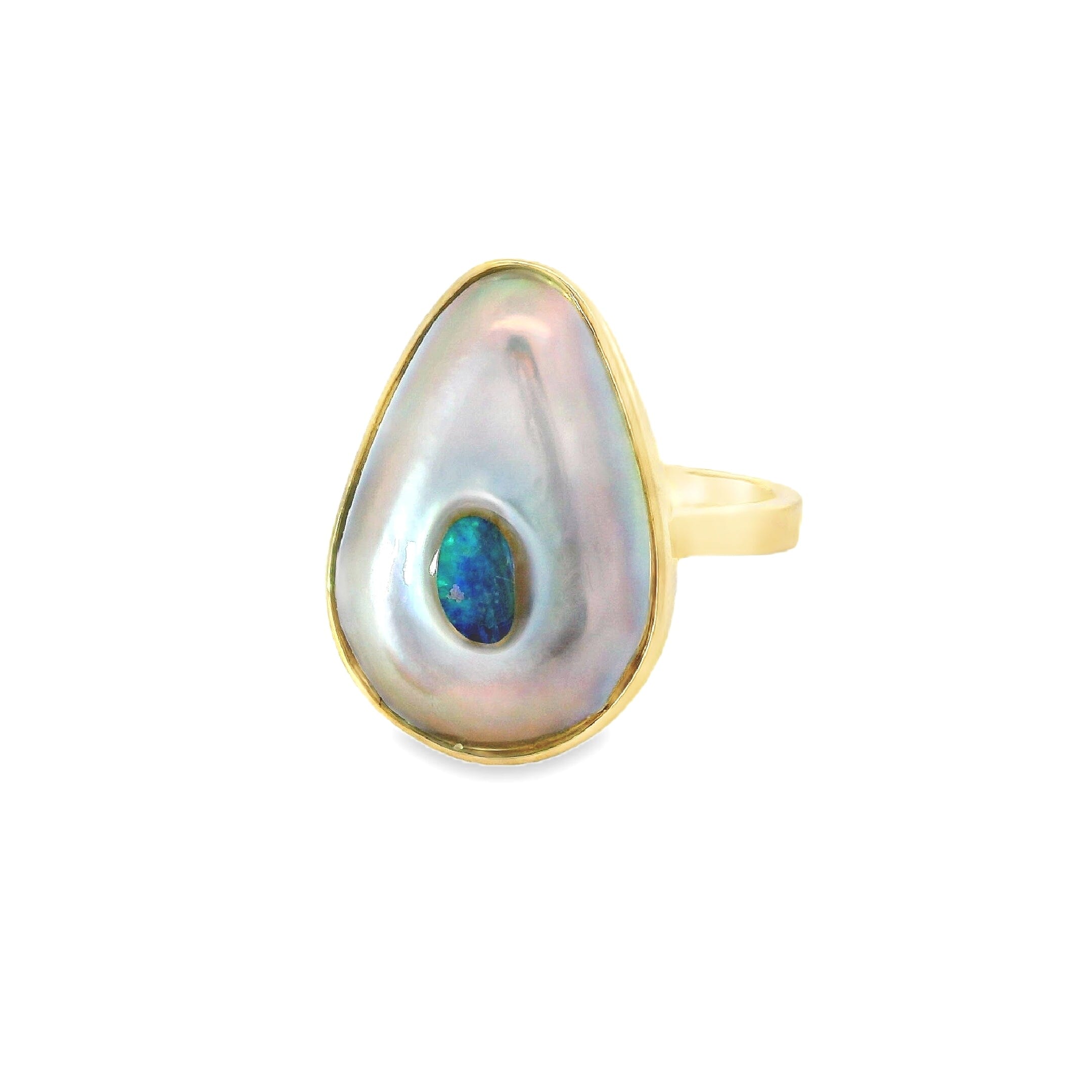
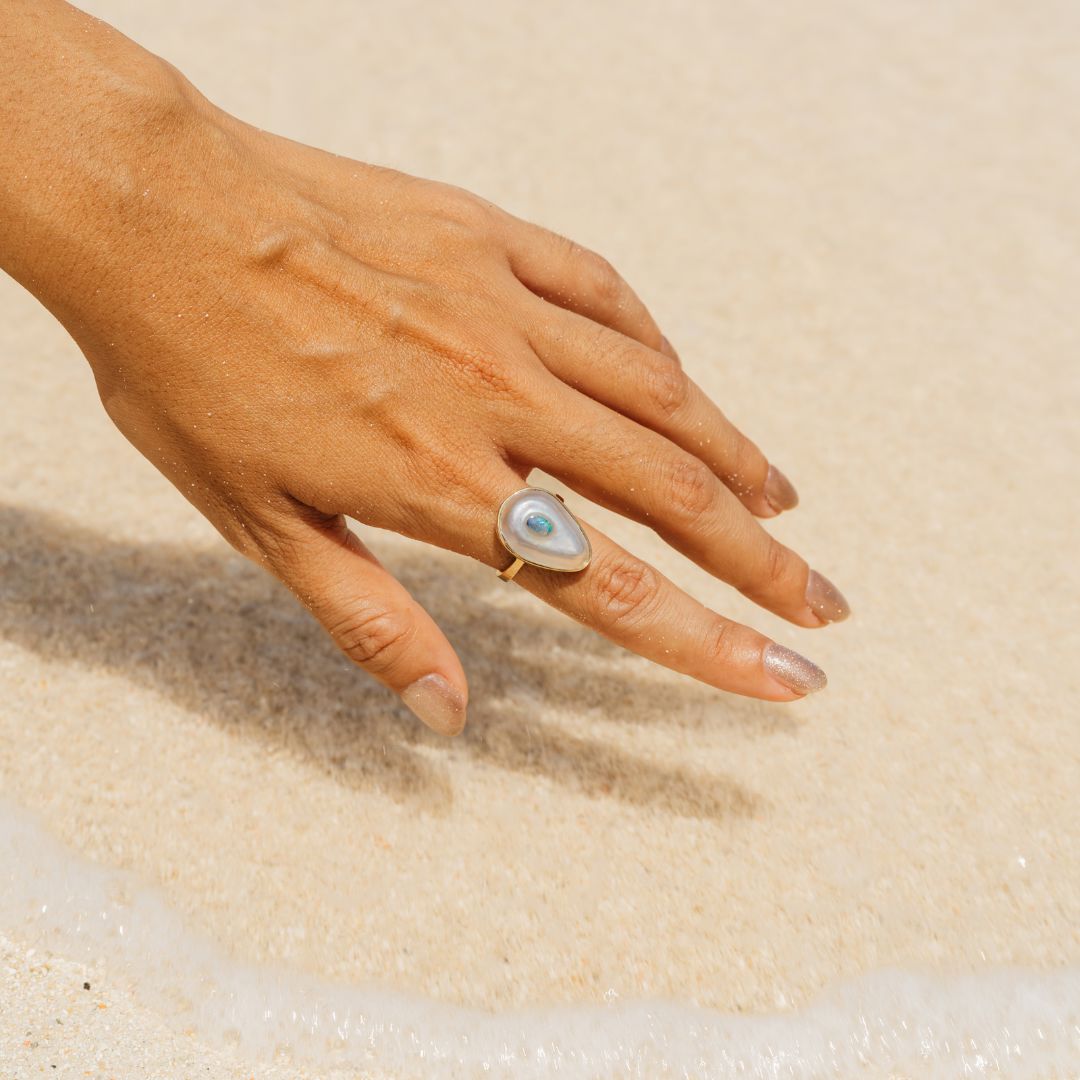
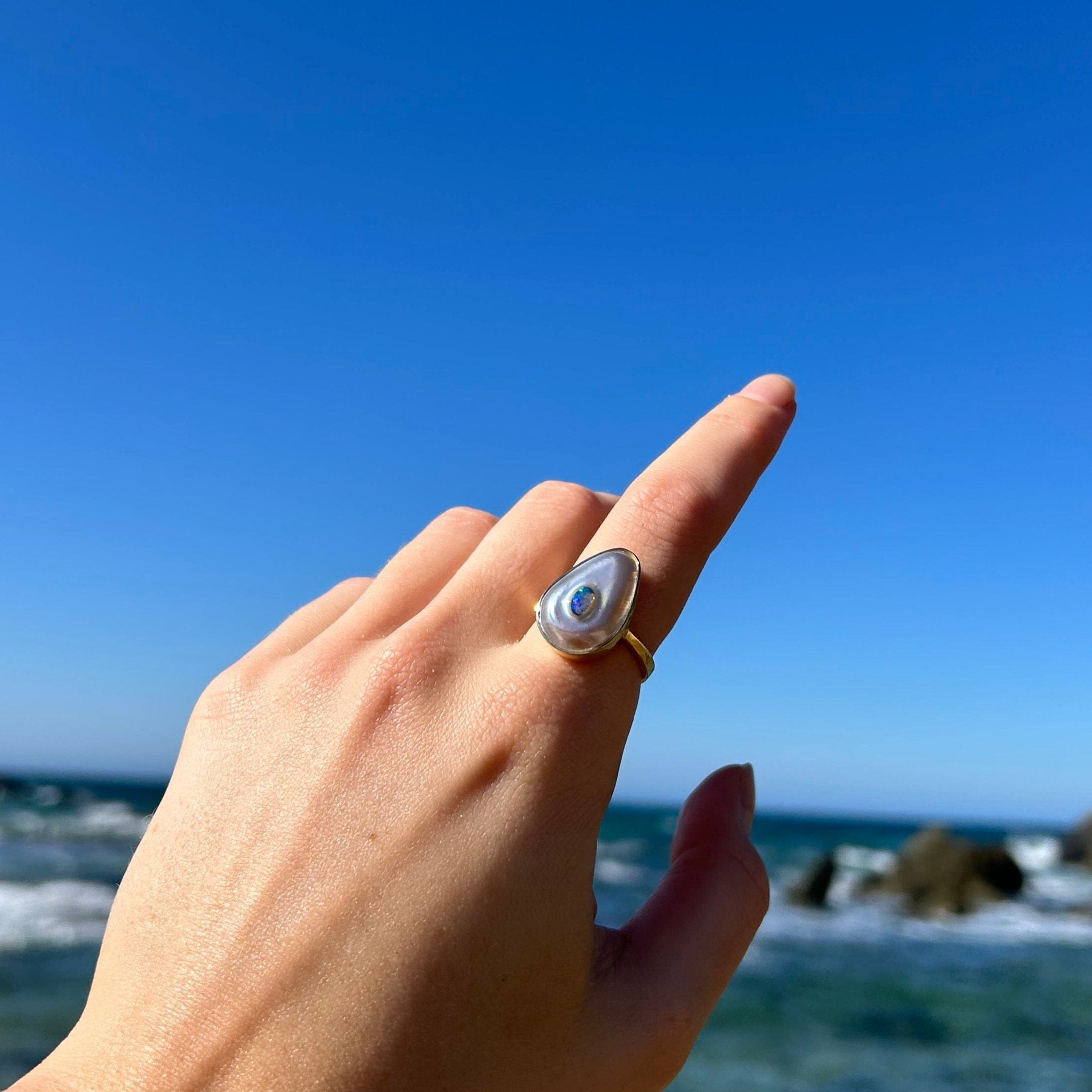
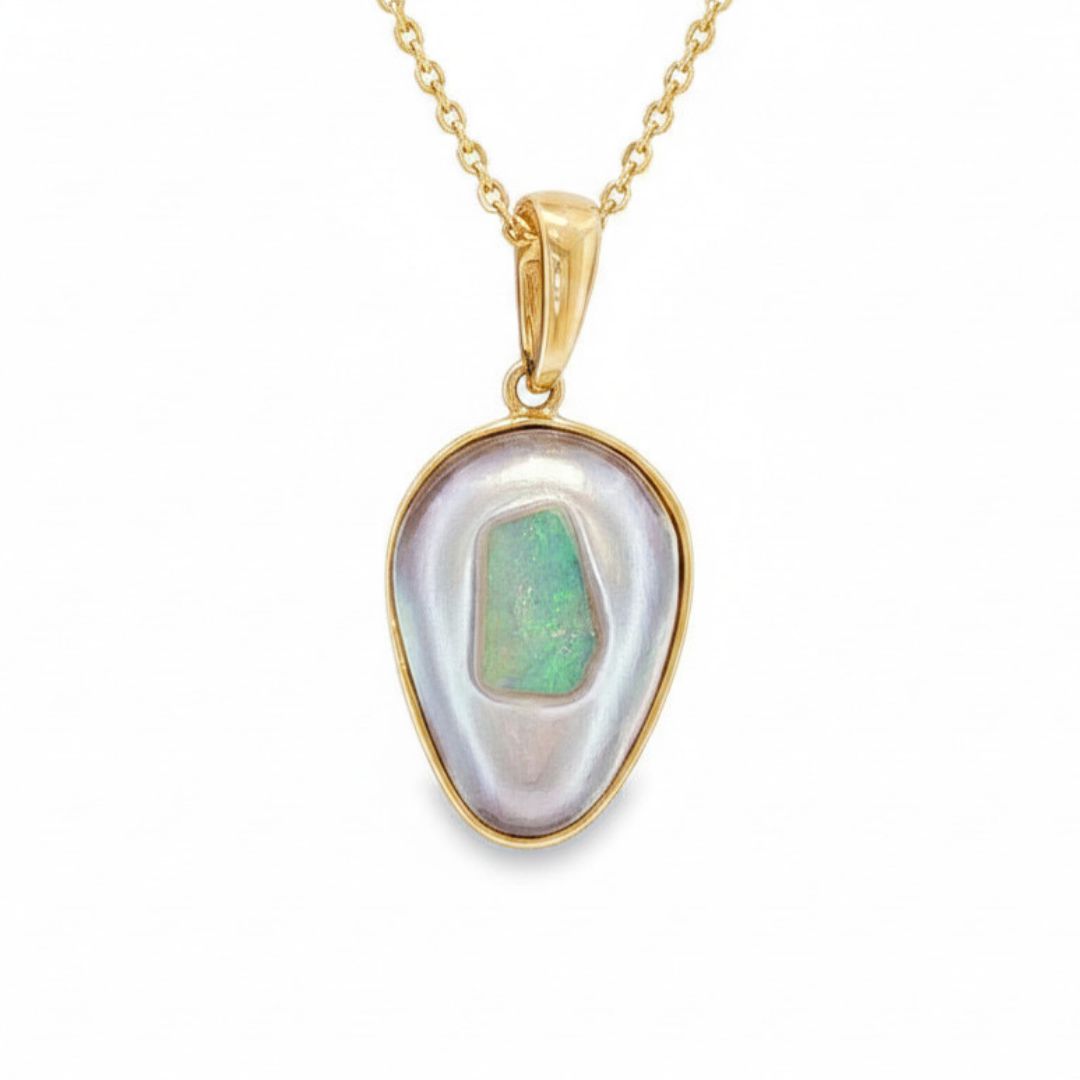
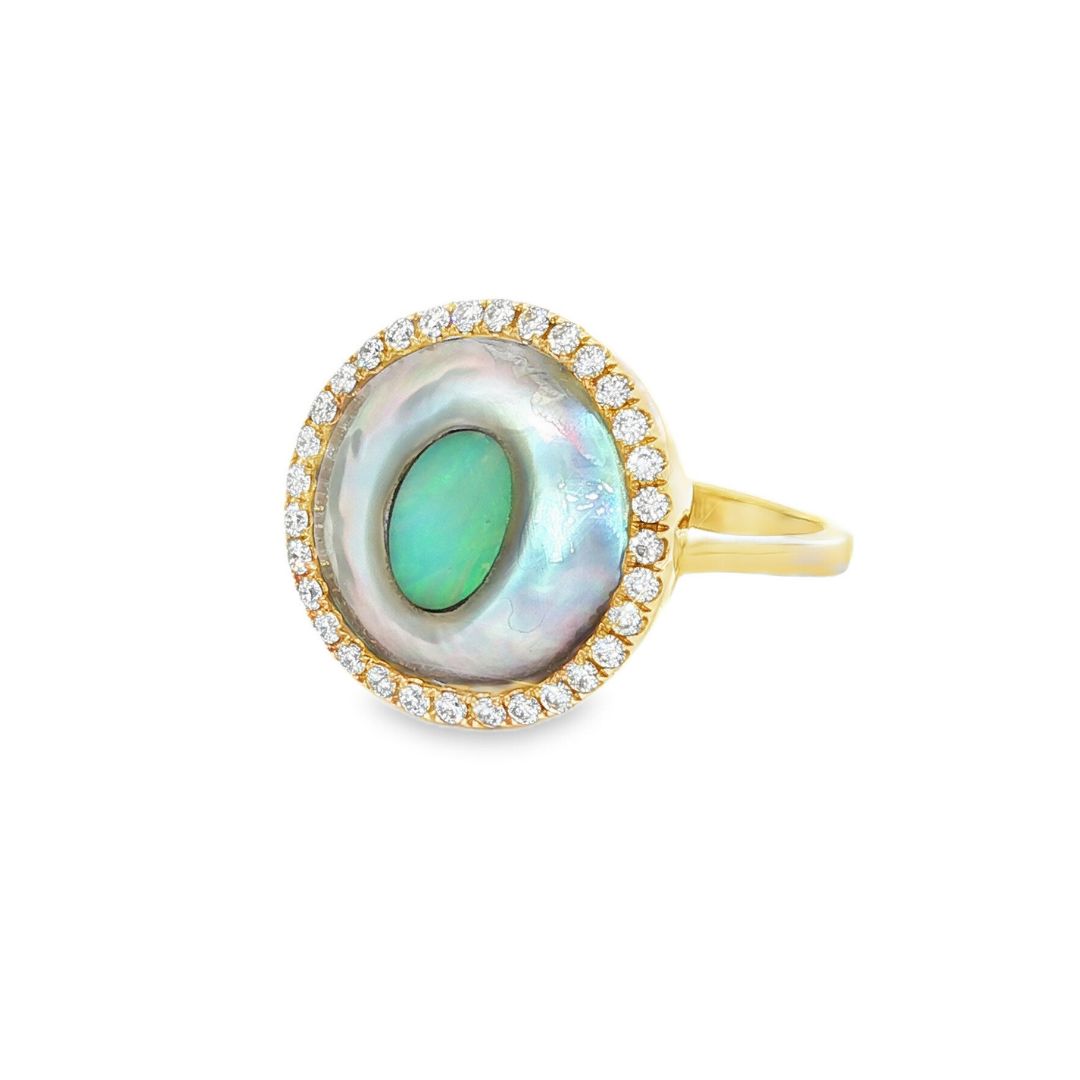
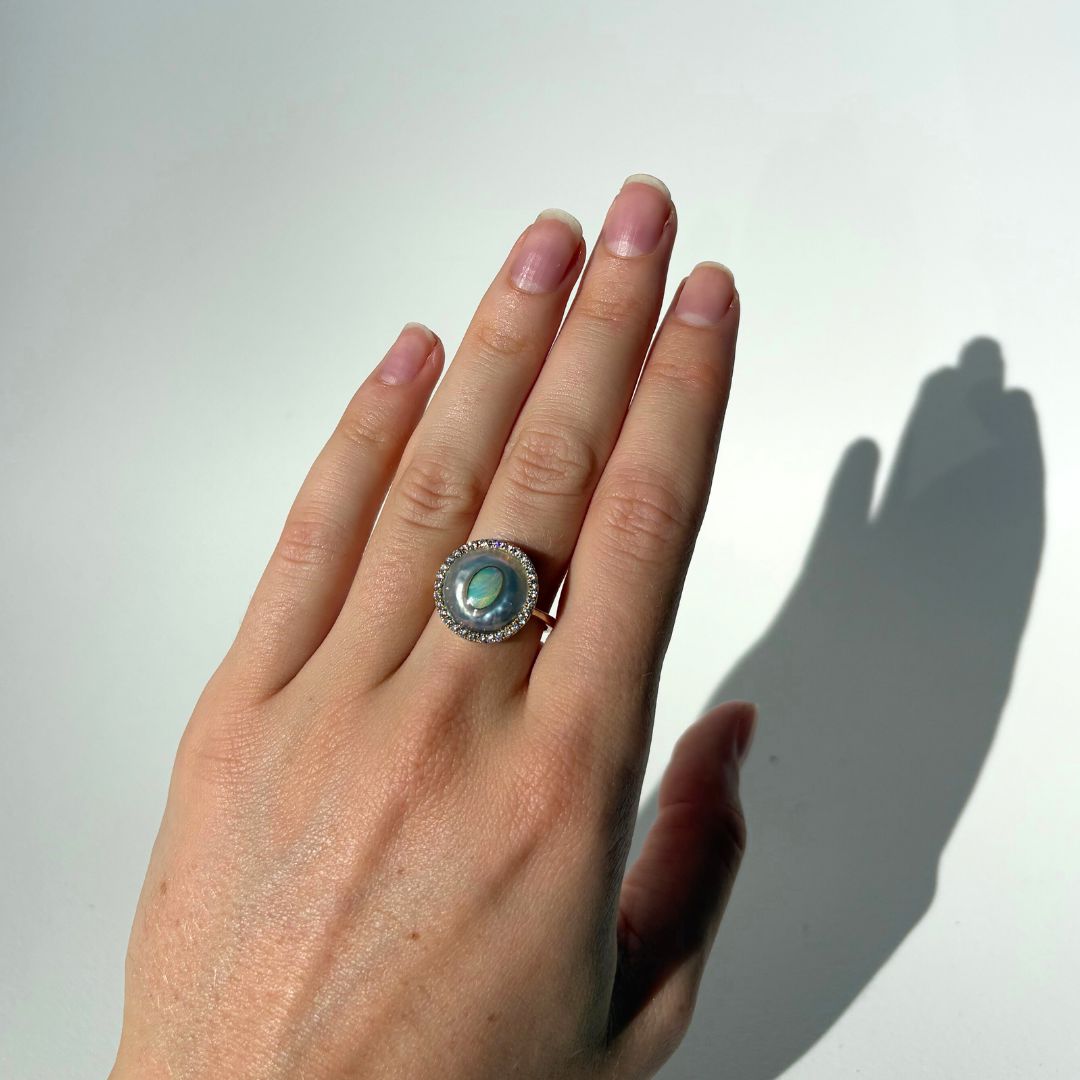
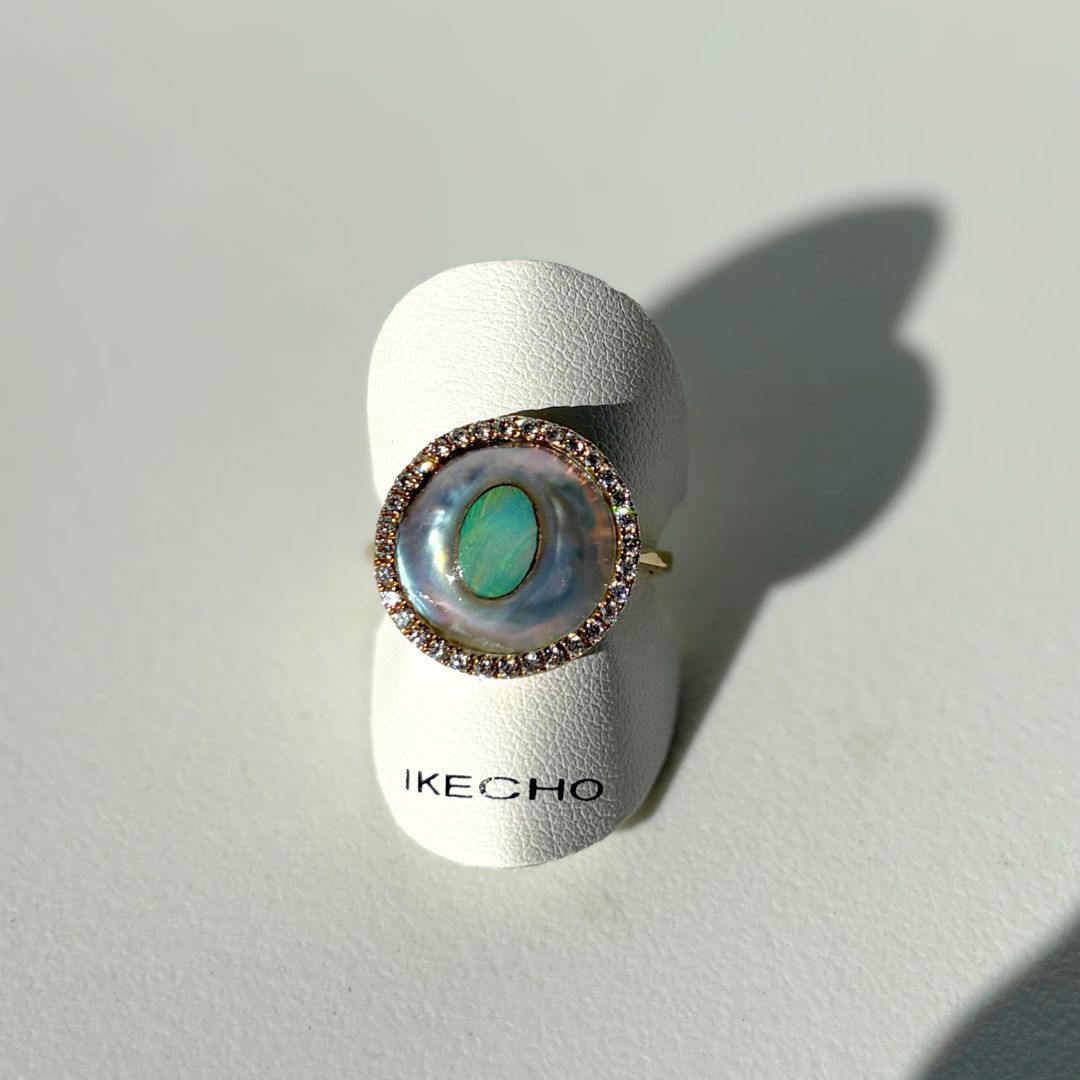
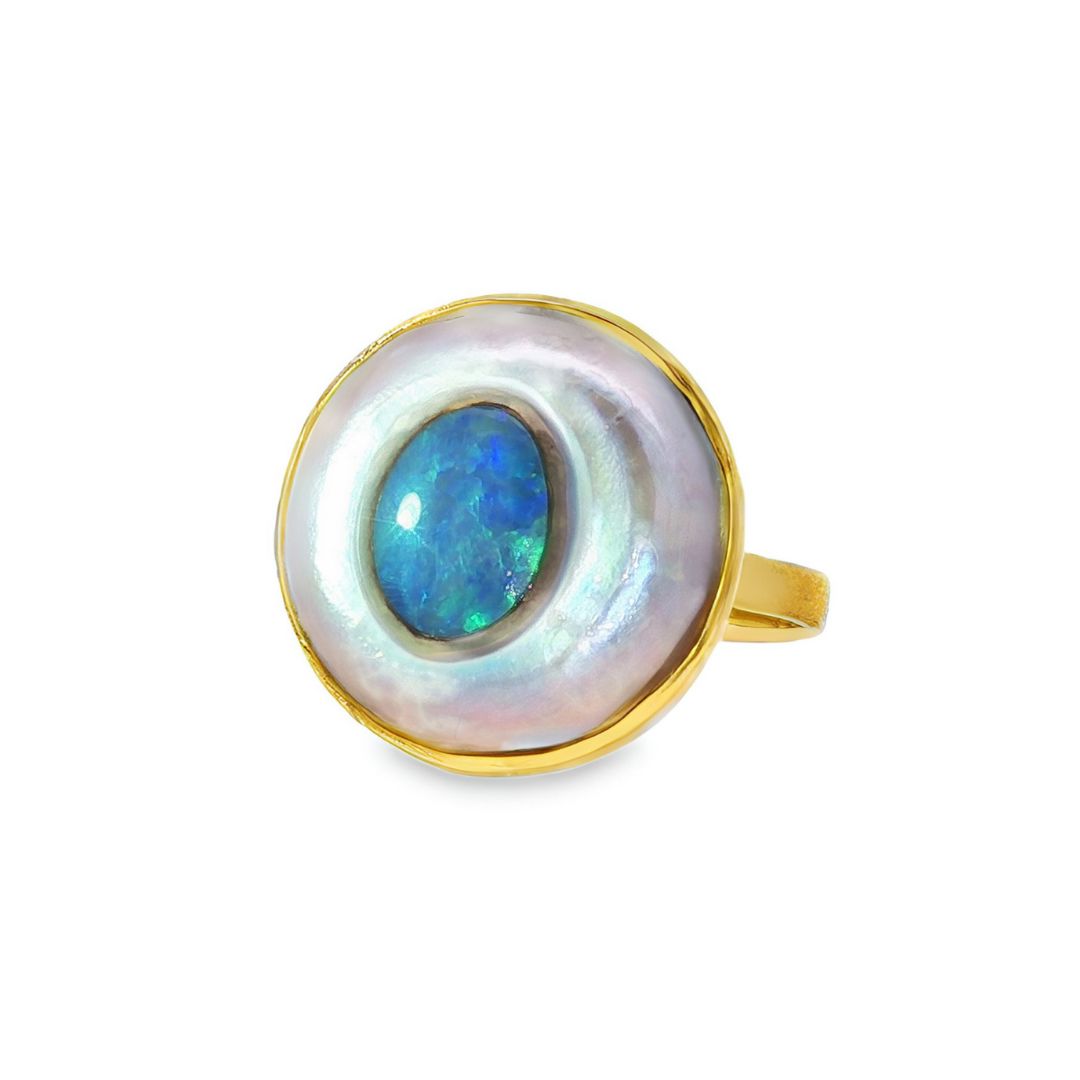
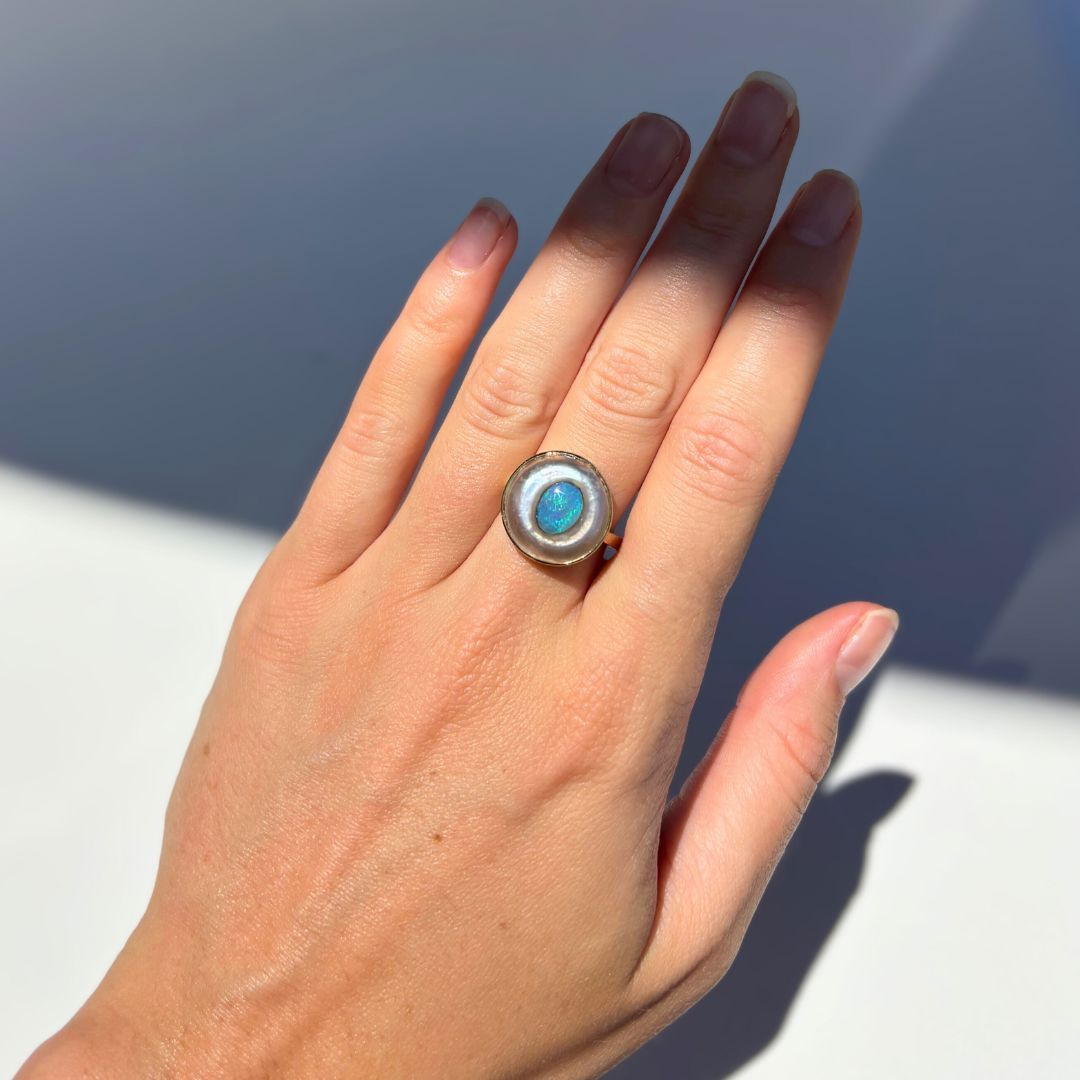
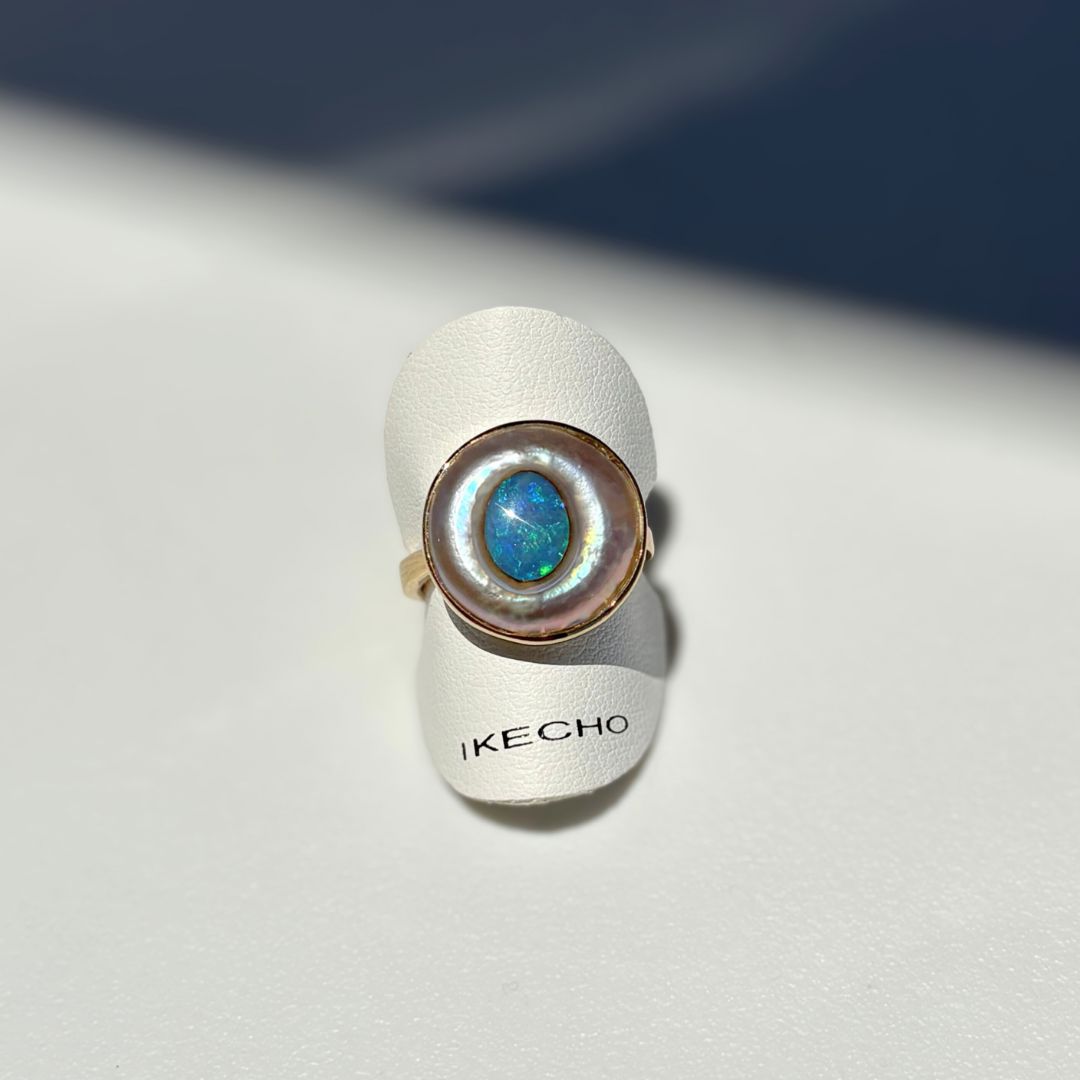
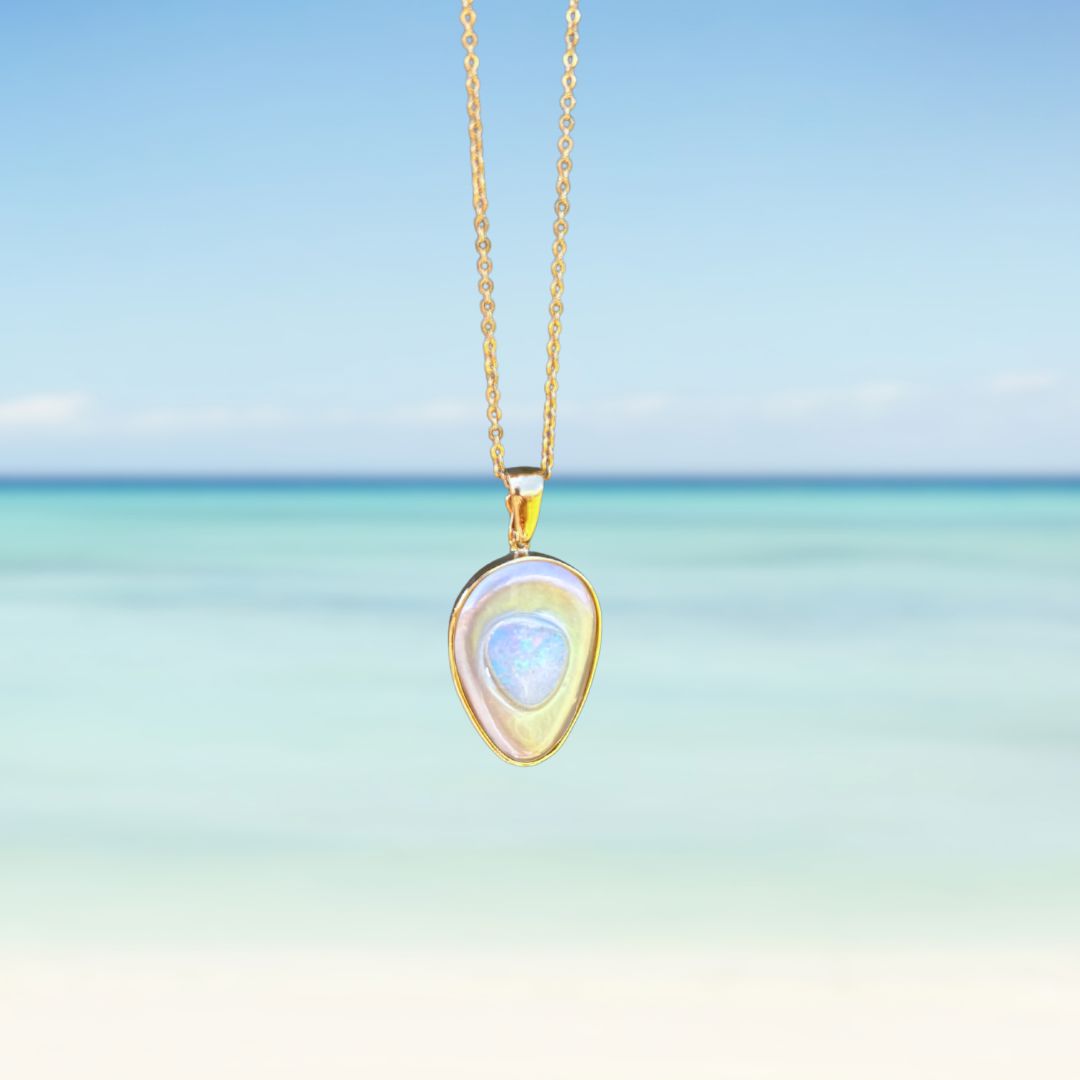
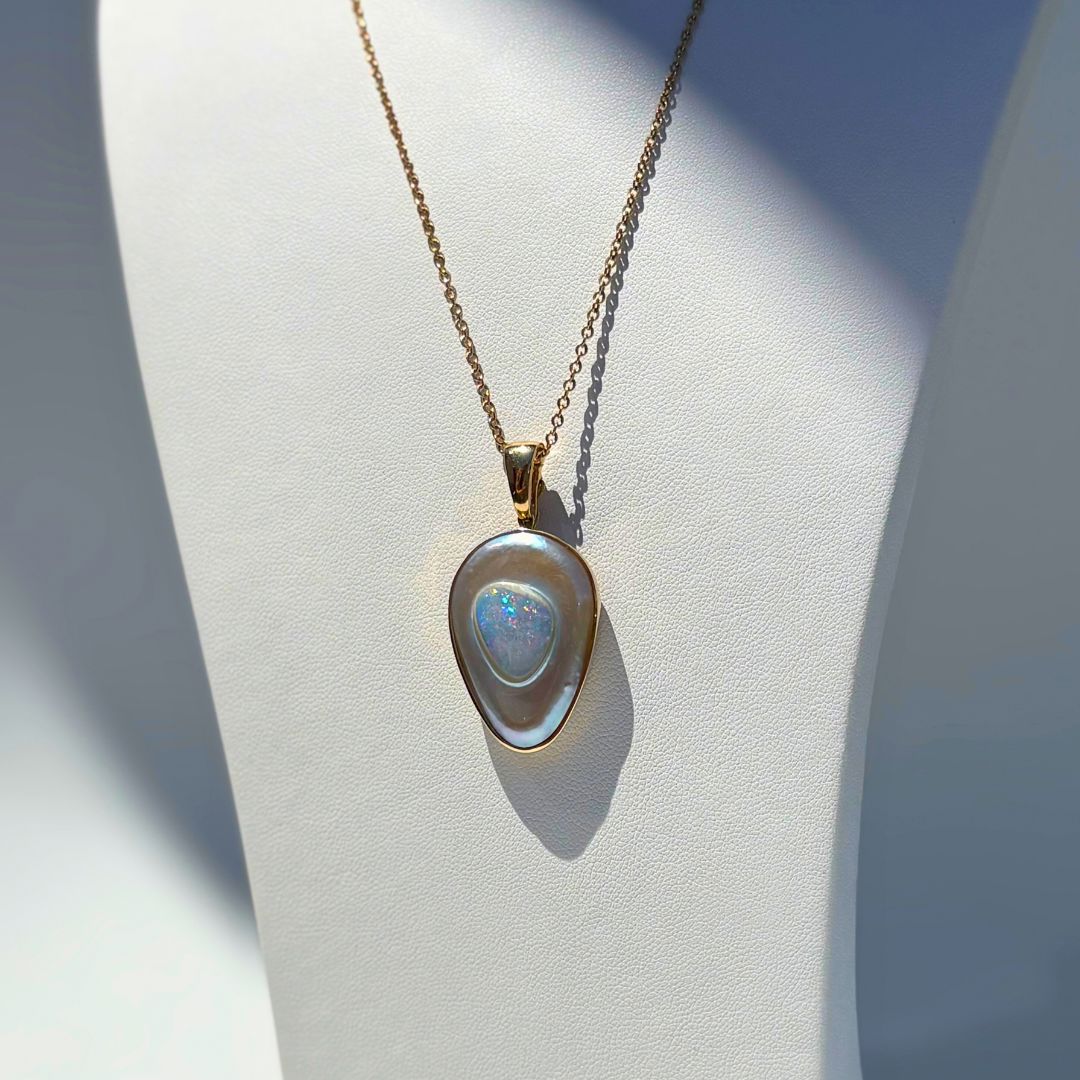
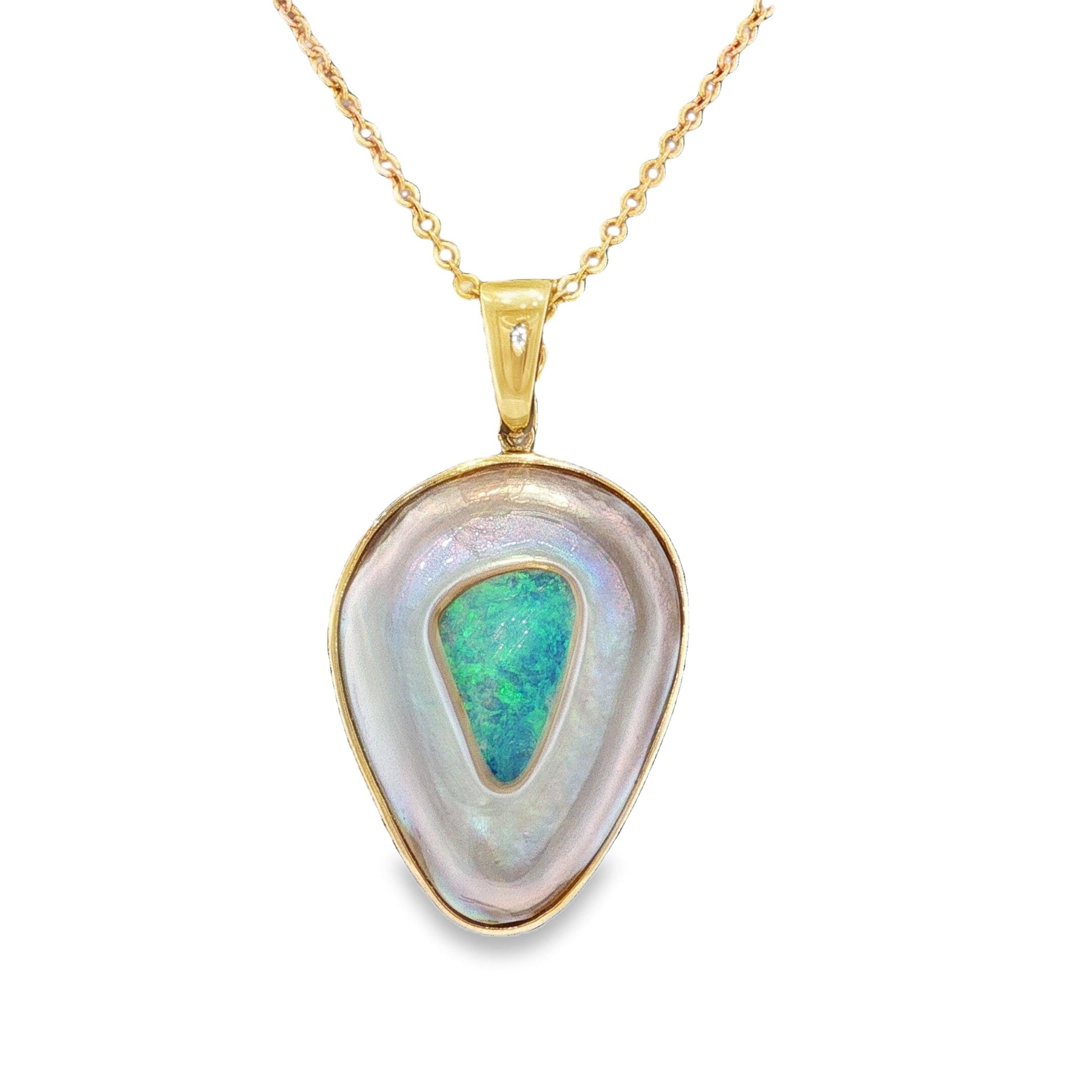
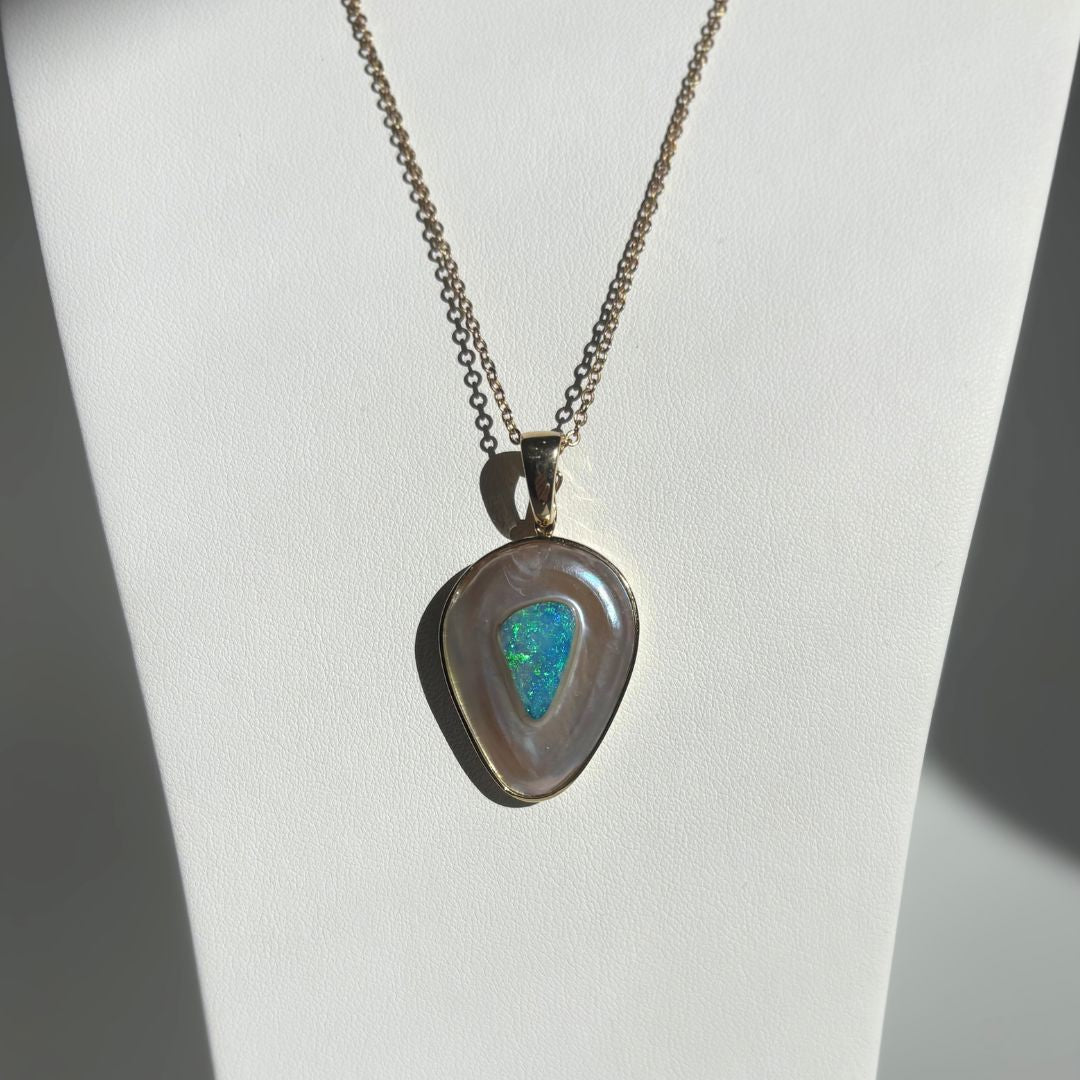
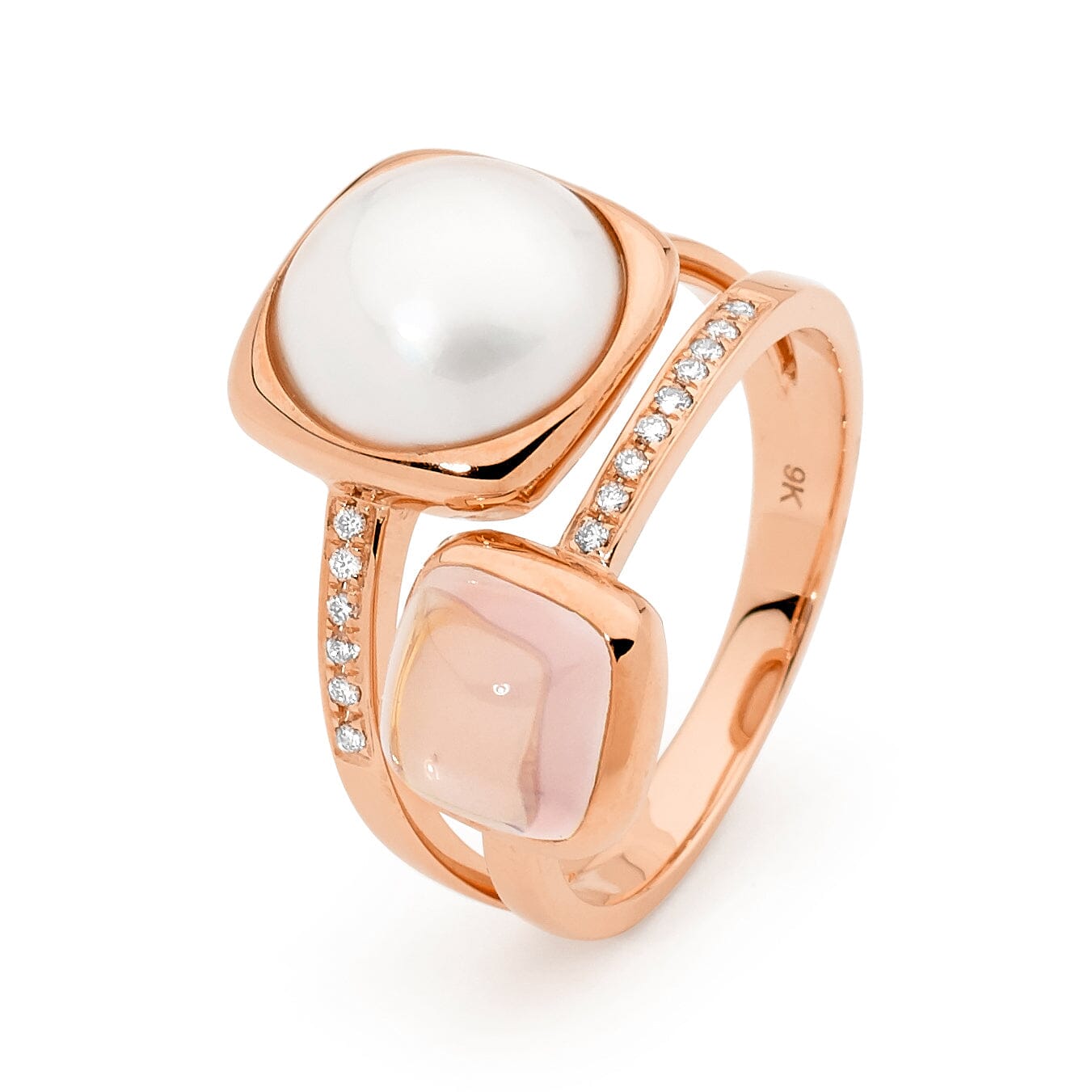
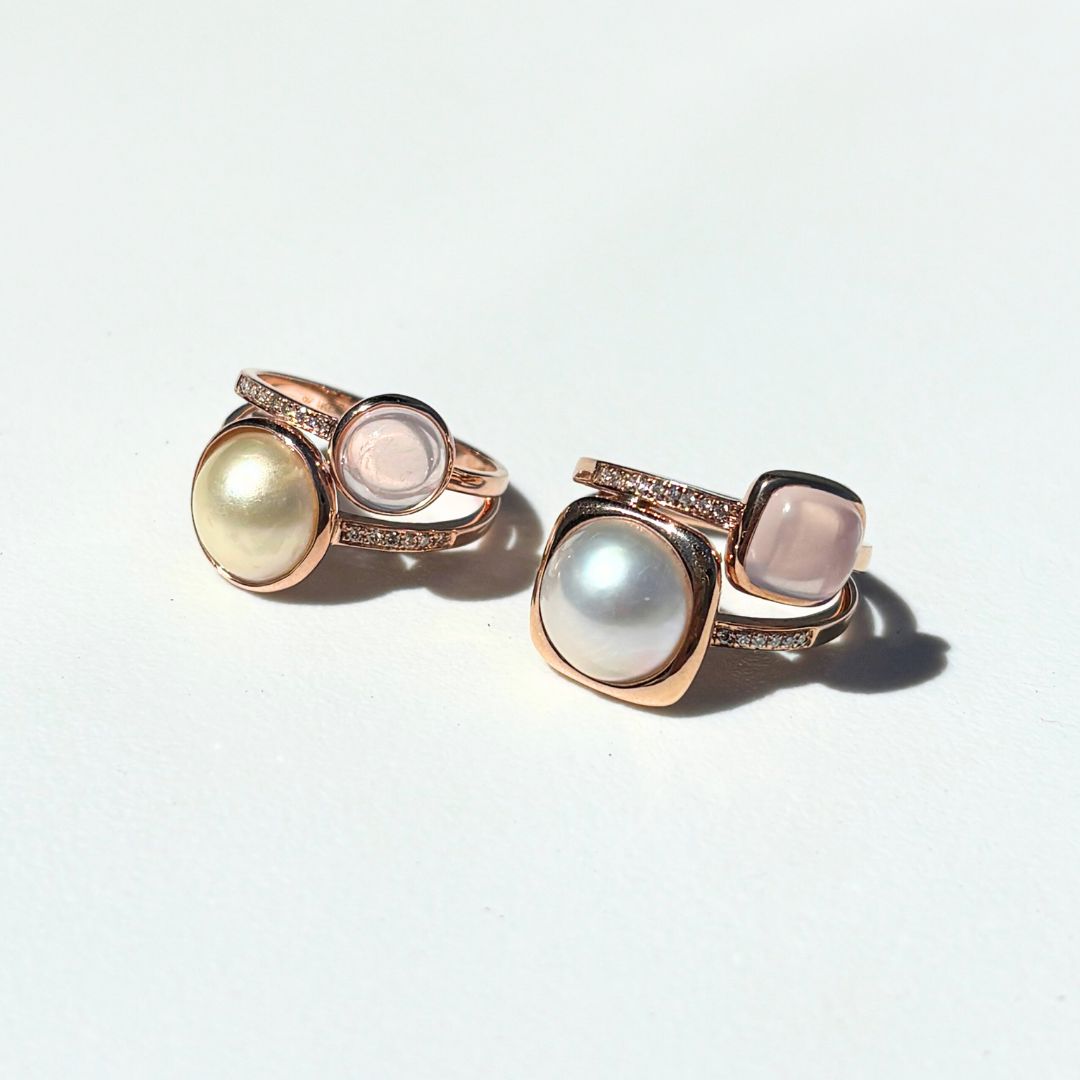
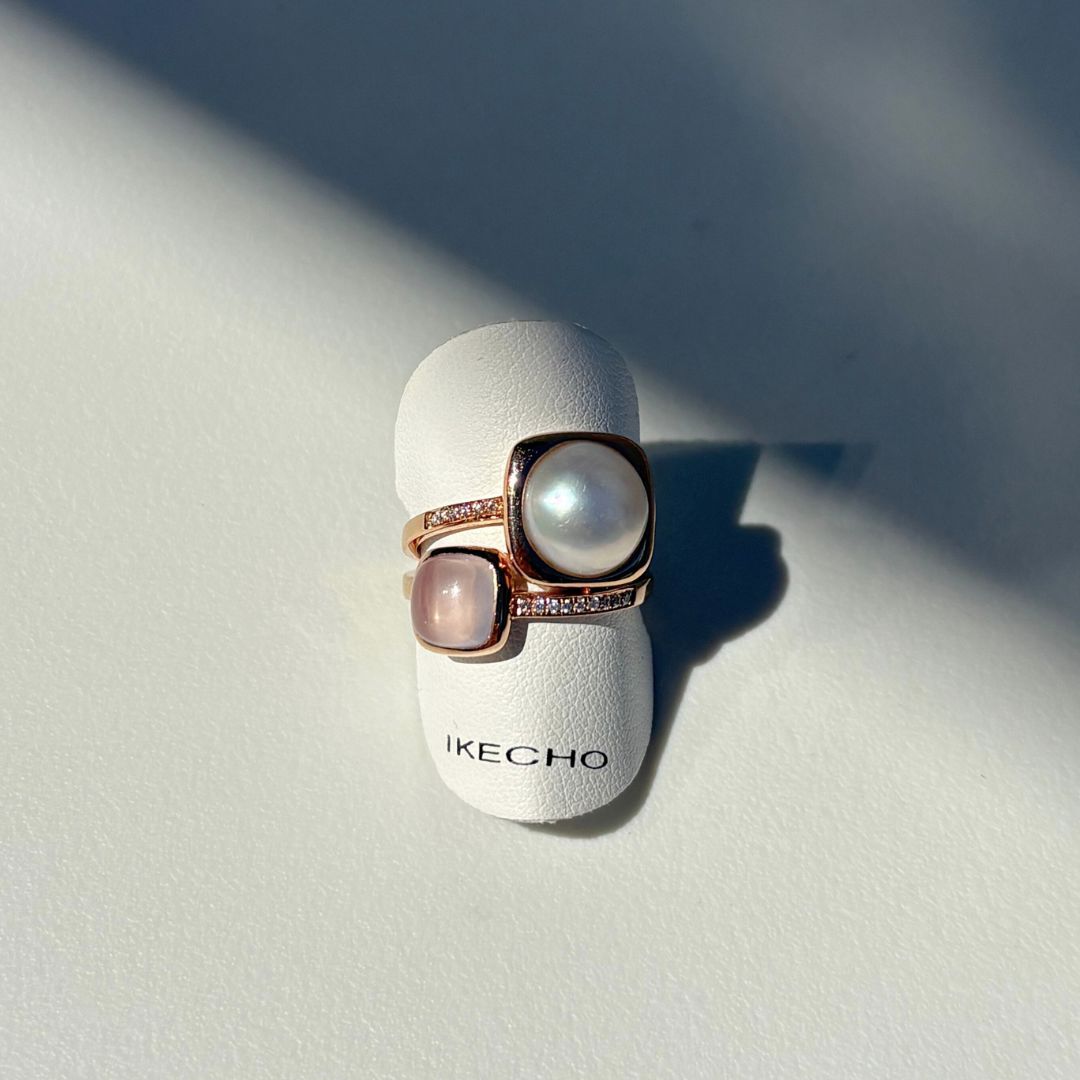
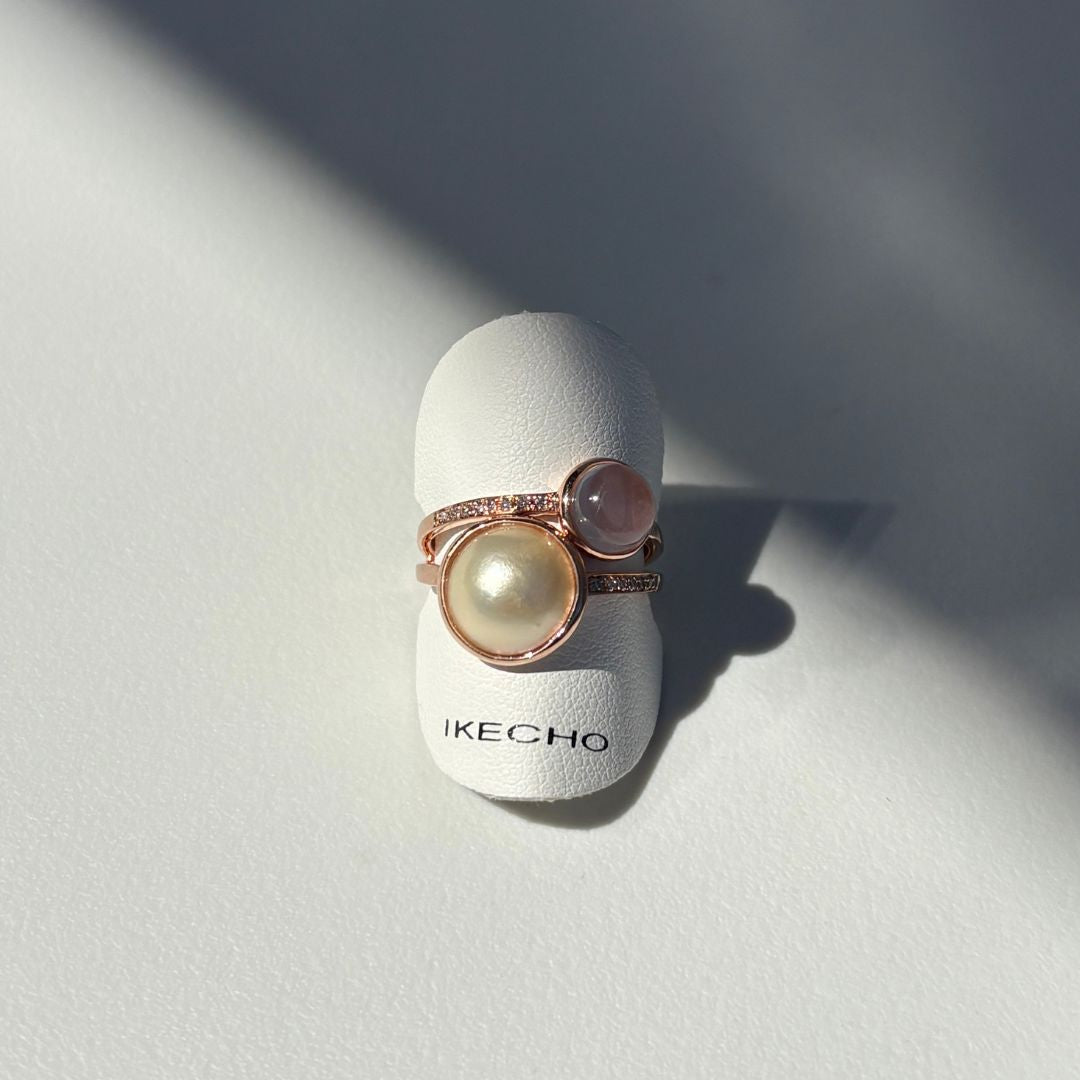
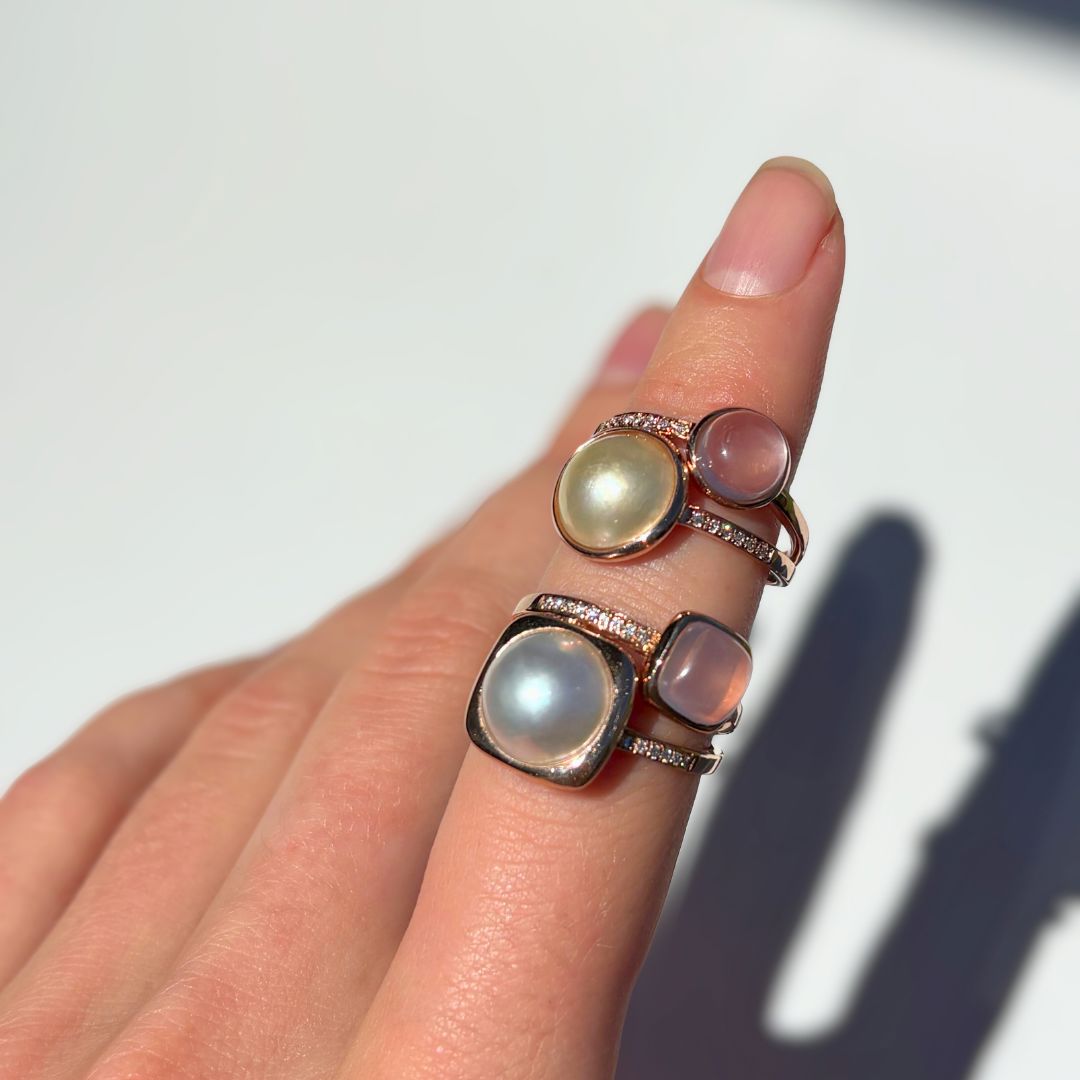
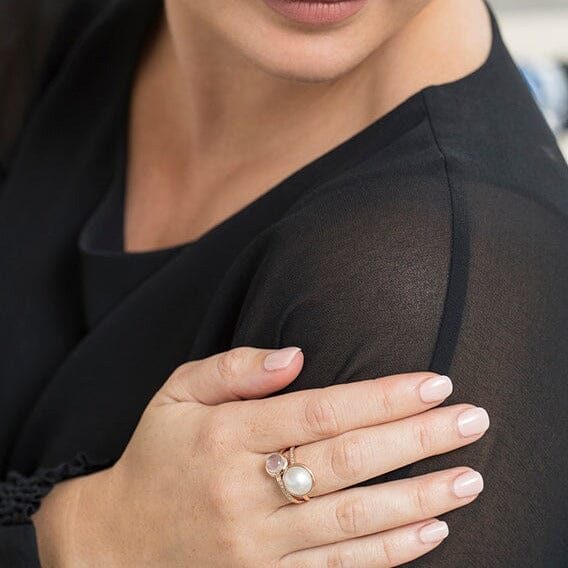
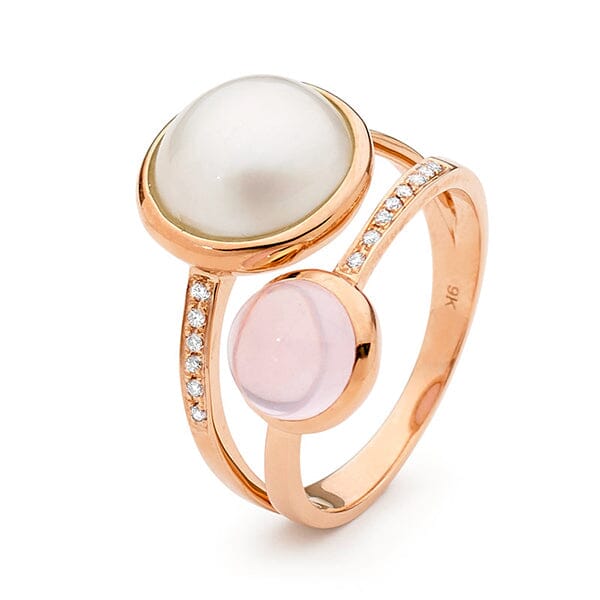
Known for their domed silhouette and radiant lustre, Mabe pearls create a bold yet refined look that feels both timeless and contemporary. Their smooth surface and luminous glow make them especially beautiful in pendants, earrings, and statement rings.
Elegant and versatile, Mabe pearls bring effortless sophistication to modern jewellery styling.
Mabe pearls are cultured pearls grown on the inside shell of an oyster rather than within its tissue.
Because of this cultivation method, Mabe pearls develop a distinctive dome or hemispherical shape rather than a full sphere. Once harvested, the pearl is carefully removed from the shell, reinforced, and backed with mother-of-pearl to complete the finished Mabe pearl.
Mabe pearls are cultivated using:
- Silver-lipped oysters
- Black-lipped oysters
- Penguin oysters
These oysters produce beautiful pearls with a wide variety of natural colours and overtones.
Mabe pearls are loved for their:
- Large elegant appearance
- Lightweight feel
- Soft luminous lustre
- Unique domed shape
- Smooth surfaces
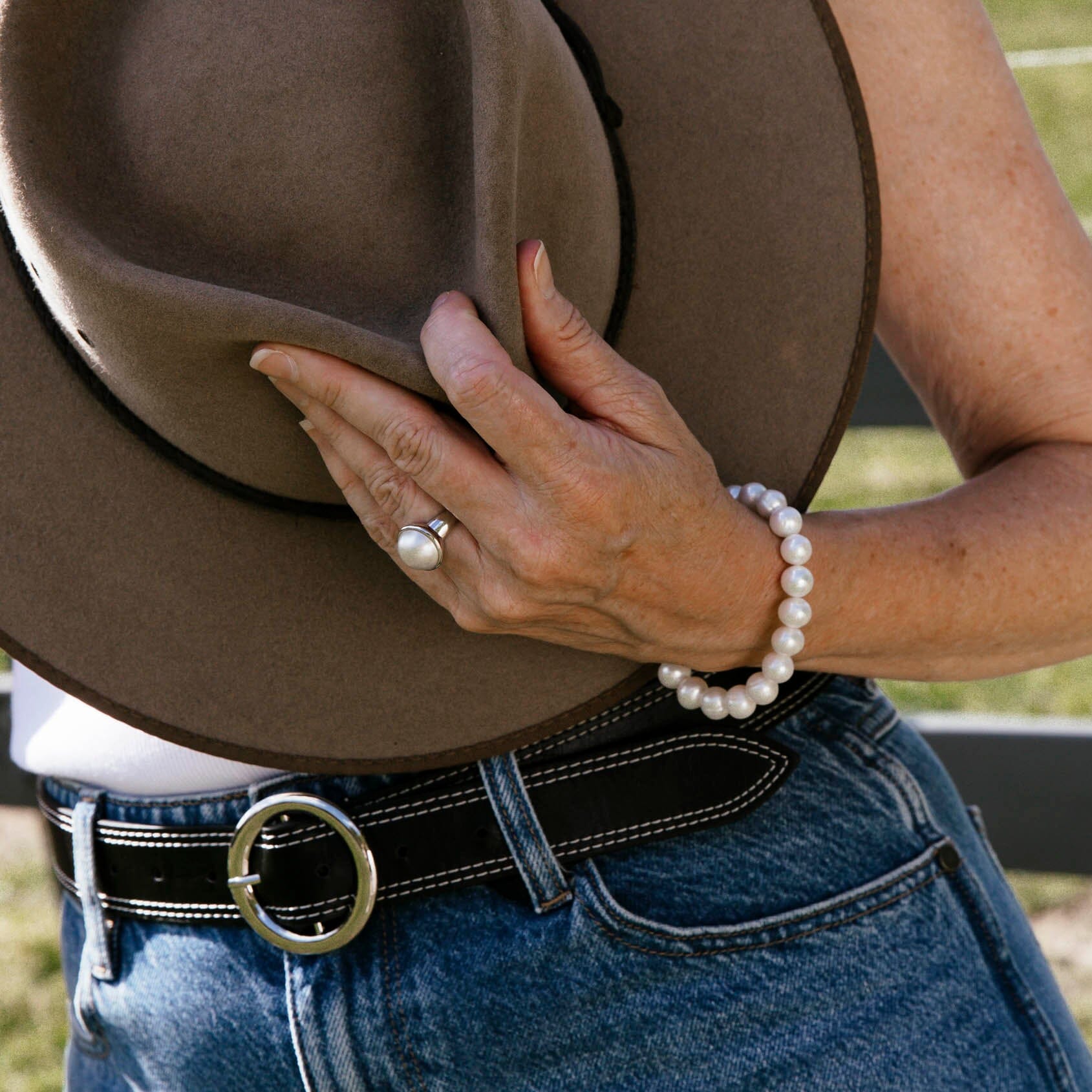
- Versatile jewellery styling
Because they appear larger than many traditional pearls while remaining comfortable to wear, Mabe pearls are especially popular in statement earrings and pendants.
Their distinctive shape also creates a more contemporary and artistic jewellery aesthetic.
Mabe pearls naturally occur in a beautiful range of colours depending on the oyster species used during cultivation.
White & Cream Mabe Pearls
Classic luminous tones with timeless elegance.
Silver Mabe Pearls
Cool modern shades with soft iridescence.
Peacock & Green Mabe Pearls
Rich darker overtones inspired by black-lipped oysters.
Champagne & Gold Mabe Pearls
Rare warm tones with luxurious depth and glow.
Every Mabe pearl displays its own subtle character and natural beauty.
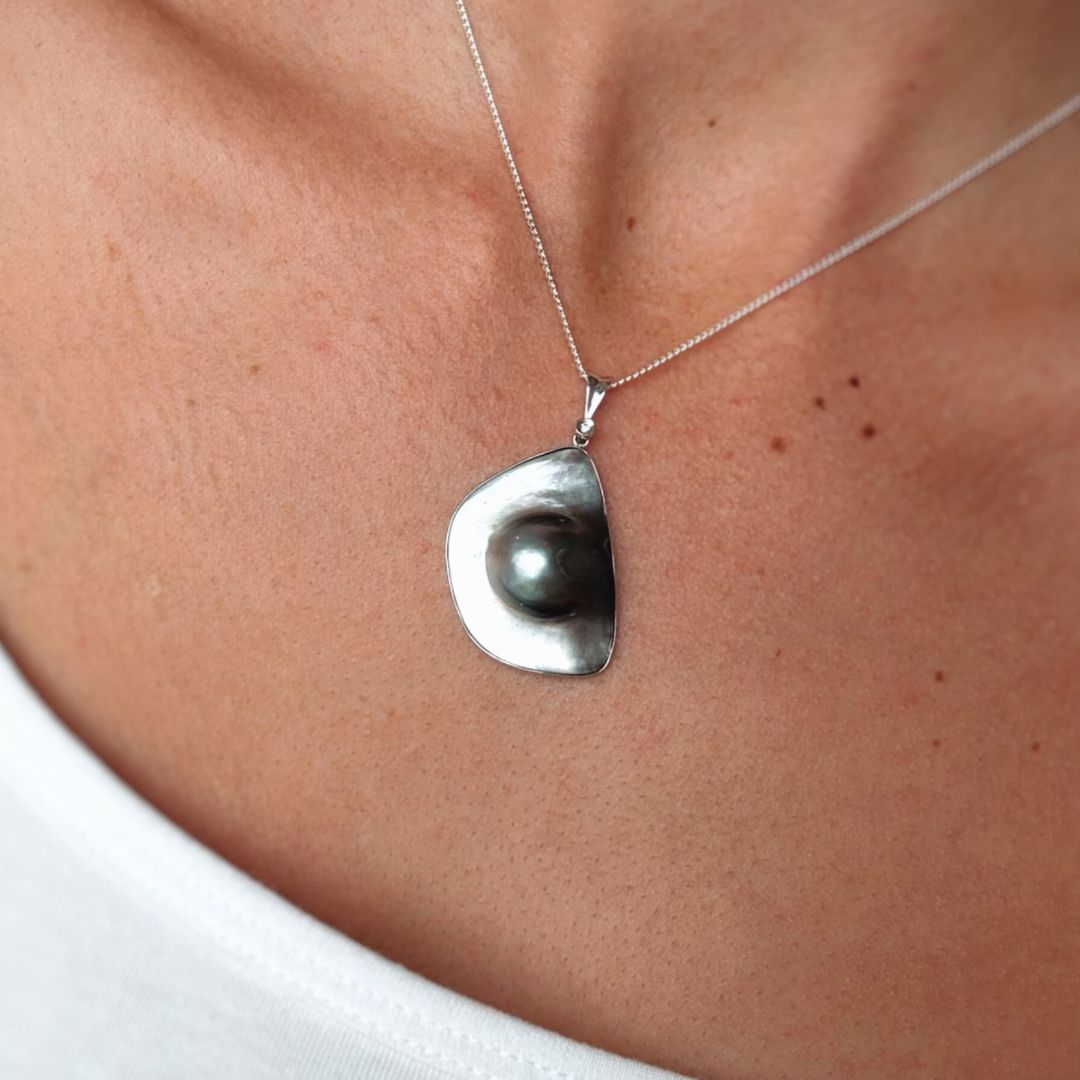
Mabe Pearls vs Traditional Pearls
Mabe Pearls
- - Dome-shaped or hemispherical
- - Cultivated against shell
- - Larger pearl
- - Lightweight and comfortable
- - Ideal for statement jewellery
- - Modern artistic look
Traditional Pearls
- -Rounder or spherical shape
- - Cultivated within tissue
- - Smaller pearls
- - Heavier depending on size
- - Ideal for classic jewellery
- - Timeless classic look















Frequently Asked Questions
About Mabe pearls
Mabe pearls are cultured pearls grown against the inner shell of an oyster, creating their distinctive dome-shaped appearance
Yes. Mabe pearls are genuine cultured pearls formed naturally inside oysters.
Mabe pearls are cultivated against the shell rather than inside tissue, resulting in their hemispherical shape.
A half-sphere nucleus is attached to the inside shell of the oyster, where layers of nacre gradually form over it.
Mabe pearls are especially popular in earrings, pendants, and statement rings due to their lightweight domed shape.
Mabe pearls are cultivated in the waters of Australia, Indonesia, the Philippines, and Japan.
Mabe pearls are dome-shaped and grown against the shell, while traditional pearls are fully round and formed within the oyster or mussel.
Yes. With proper care, Mabe pearl jewellery can be worn and enjoyed regularly.
Because Mabe pearls are hollow-backed and dome-shaped, they appear large while remaining lightweight and comfortable to wear.
Most Mabe pearls are cultivated in saltwater oysters.
