

Discover the Beauty of South Sea Pearls
The world’s most luxurious pearls, celebrated for their rare beauty, exceptional size and luminous natural glow.
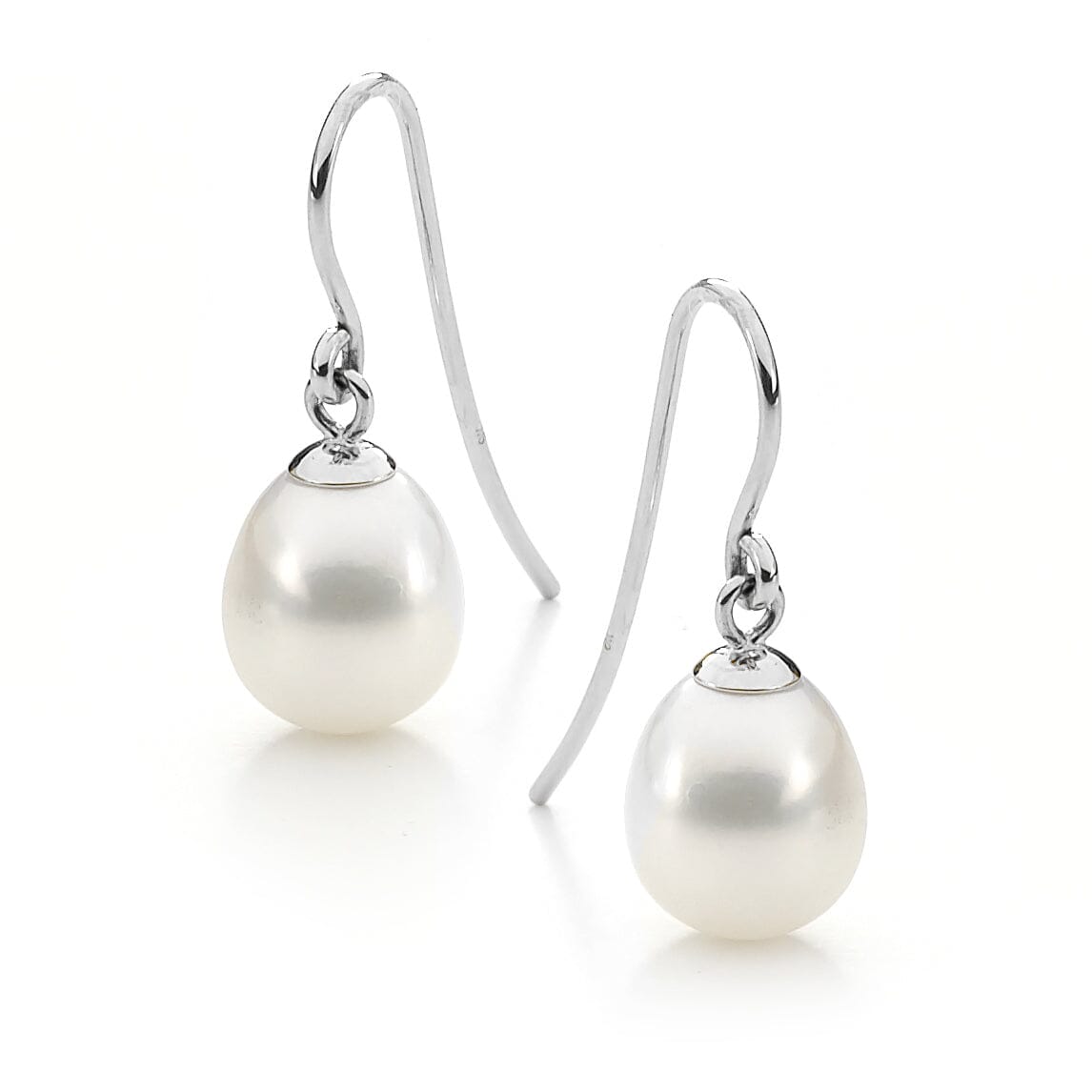
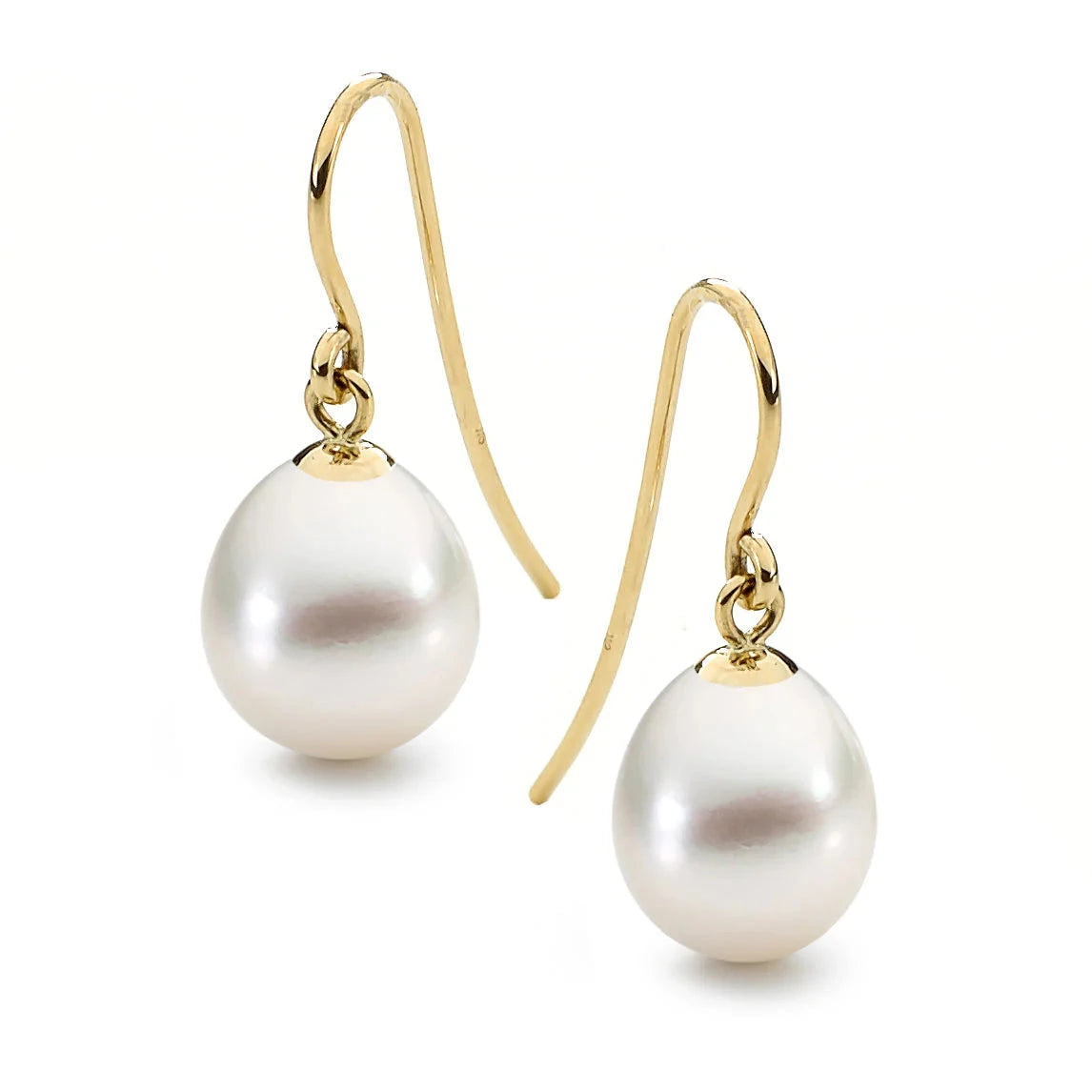
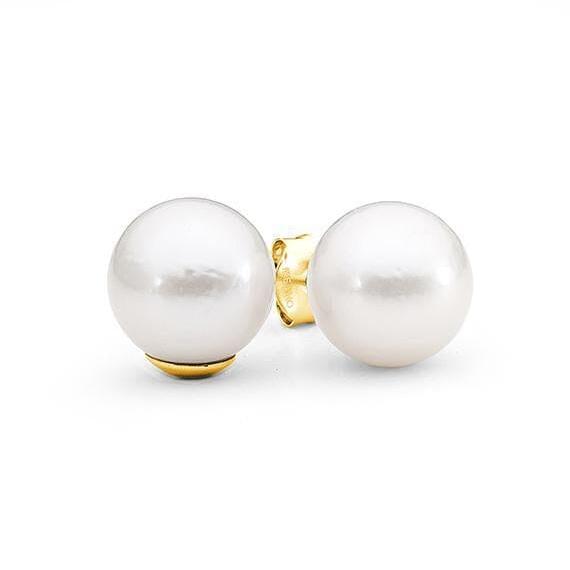
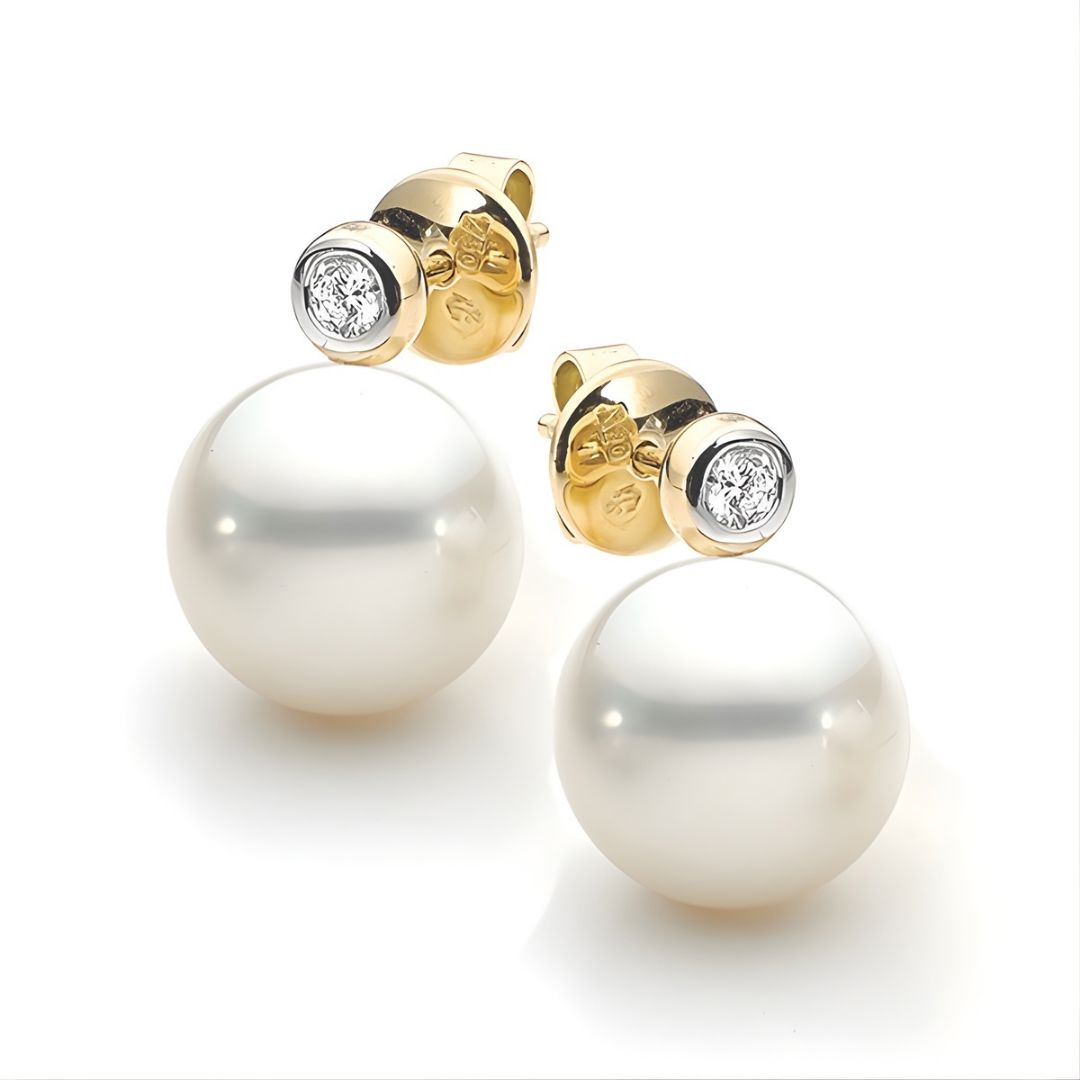
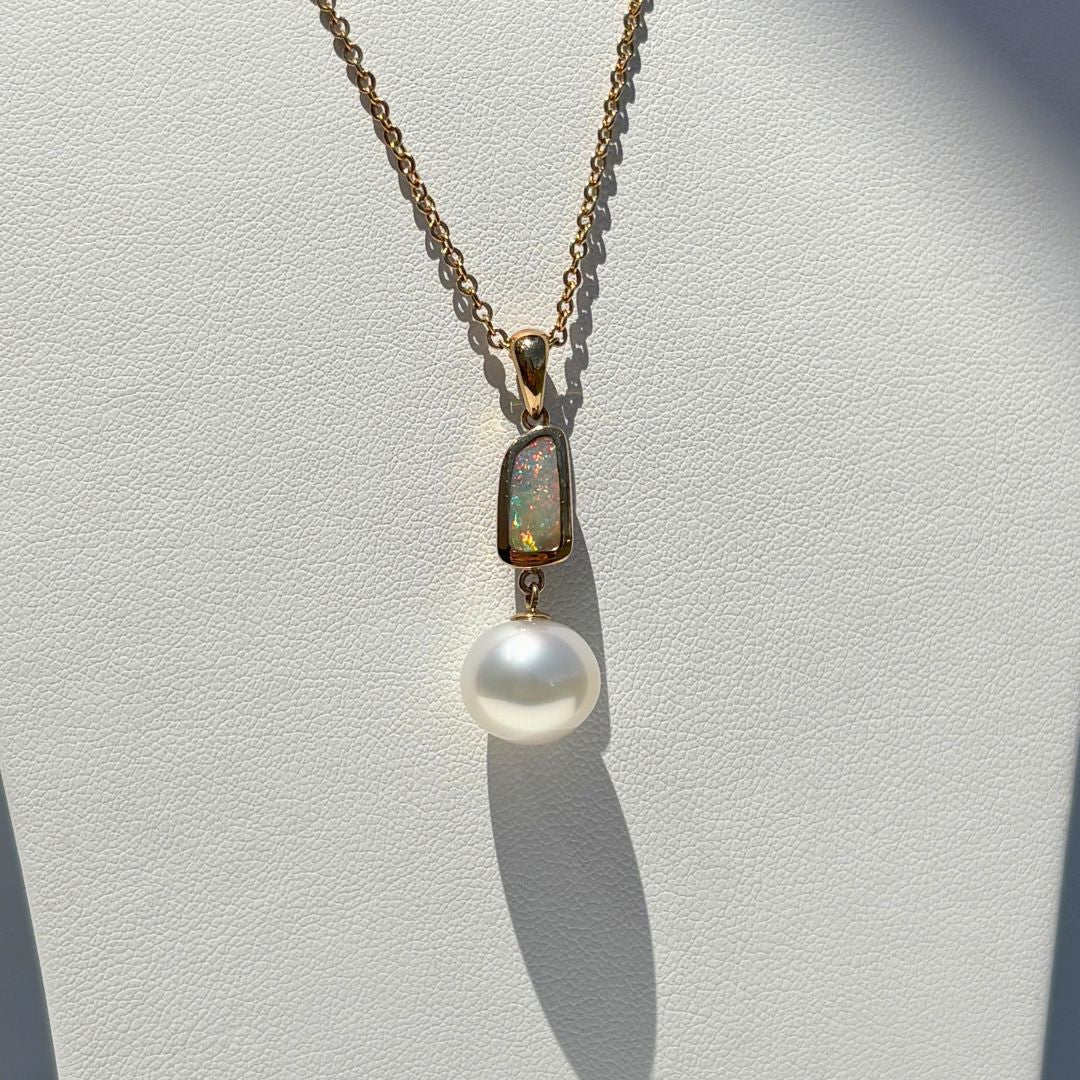
South Sea pearls are admired for their soft satin lustre, elegant size and timeless sophistication. They are cultivated in the pristine tropical waters of the Timor and Arafura Seas, stretching from northern Australia, including Western Australia and the Northern Territory, to Indonesia. These remarkable pearls are among the rarest and most valuable in the world.
At Ikecho Australia, every South Sea pearl is hand selected for its beauty, quality and individuality, creating jewellery designed to be treasured for generations.
- ORIGIN: Australia, Indonesia and the Philippines
- OYSTER: Silver-lipped or gold-lipped oyster
- SPECIES: Pinctada maxima
- SIZE RANGE: 8.0mm – 20mm+
- NATURAL COLOURS: White, silver, ivory, cream, champagne and gold
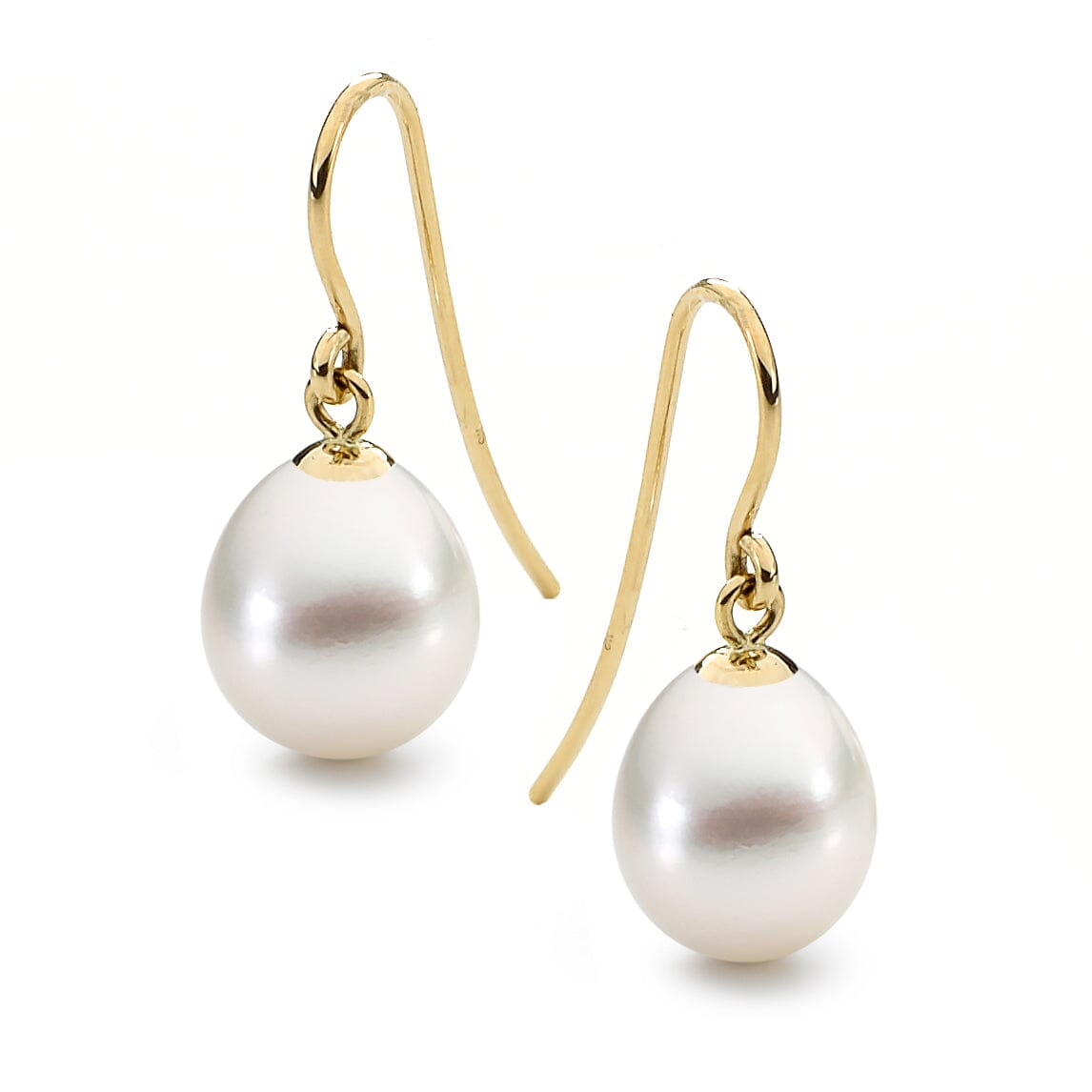
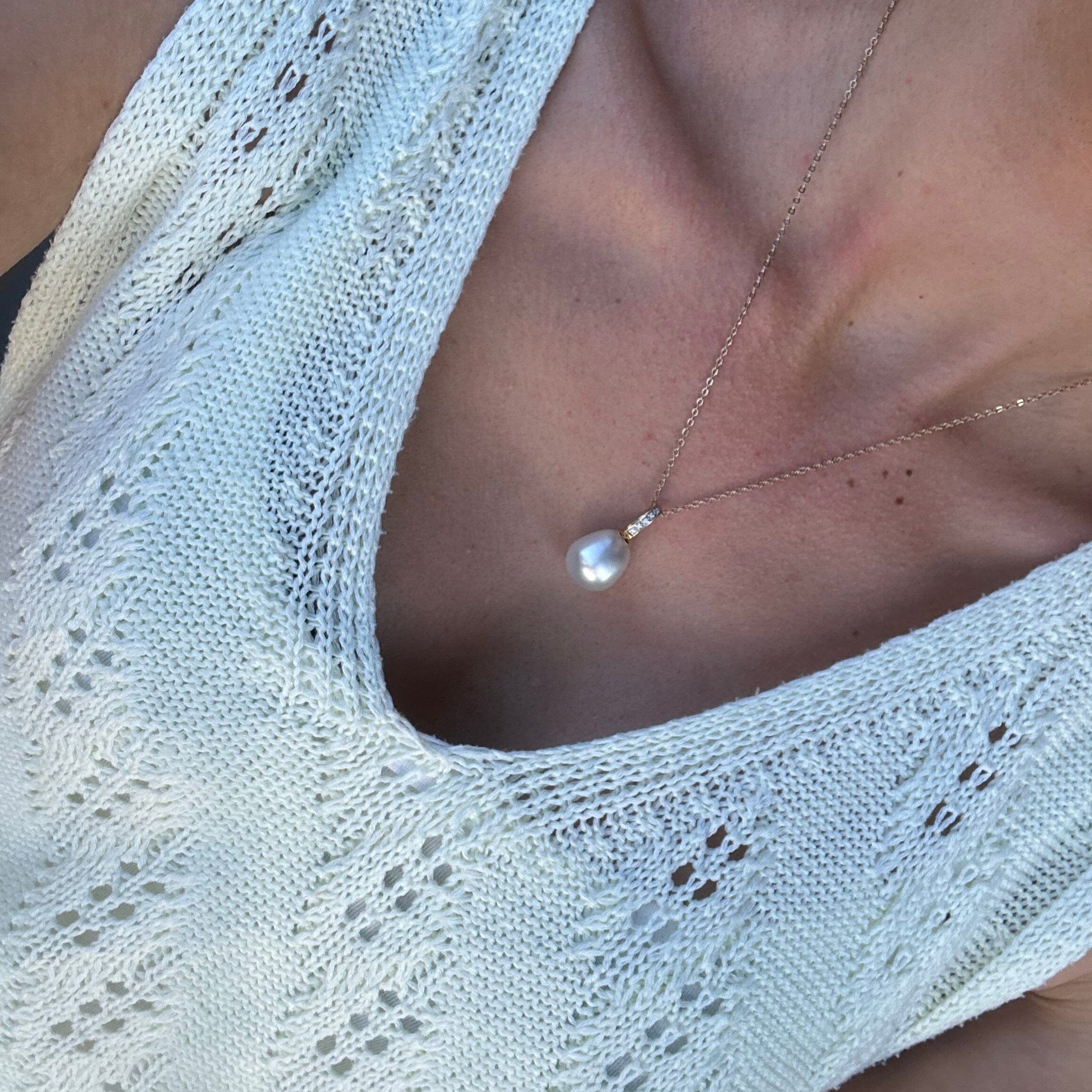
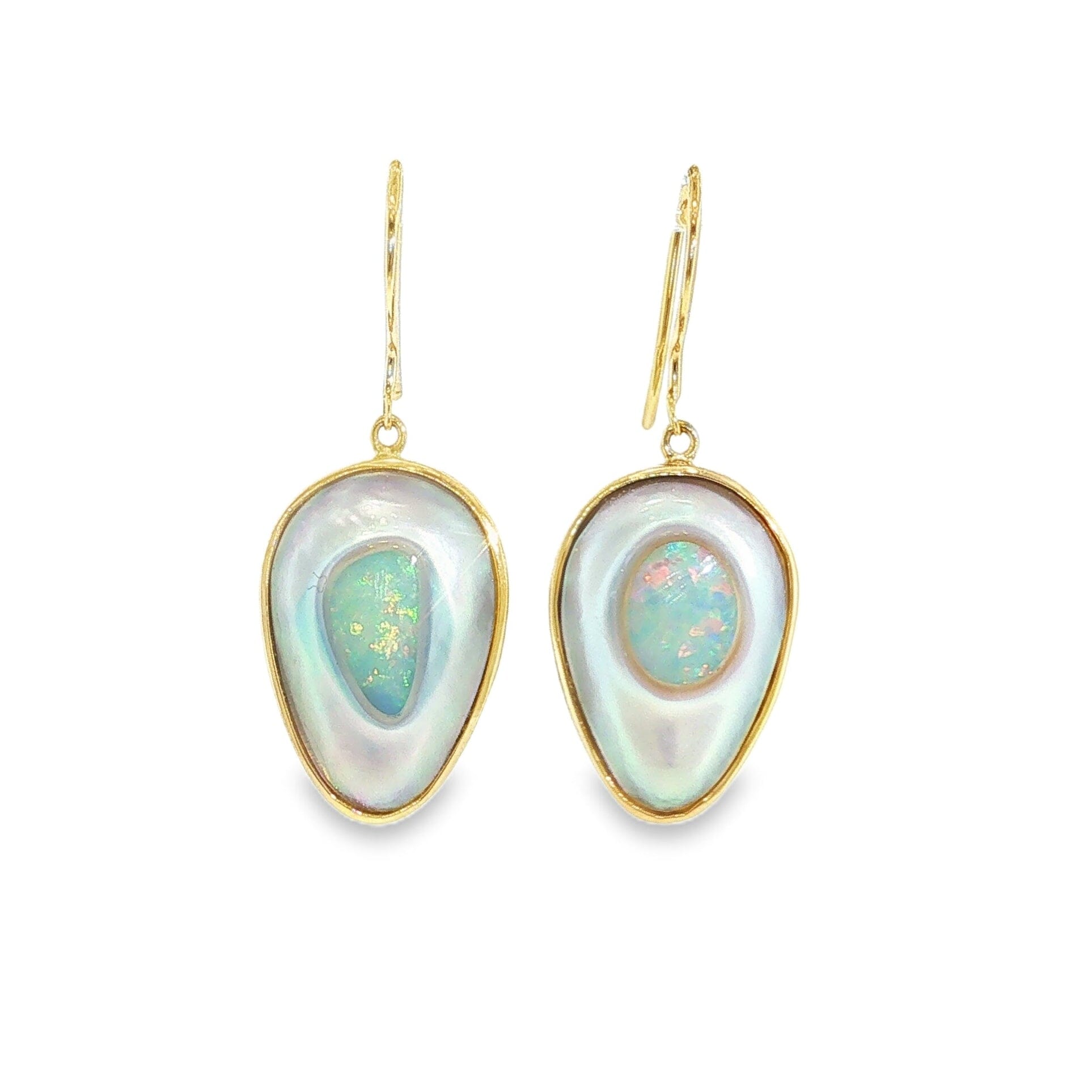
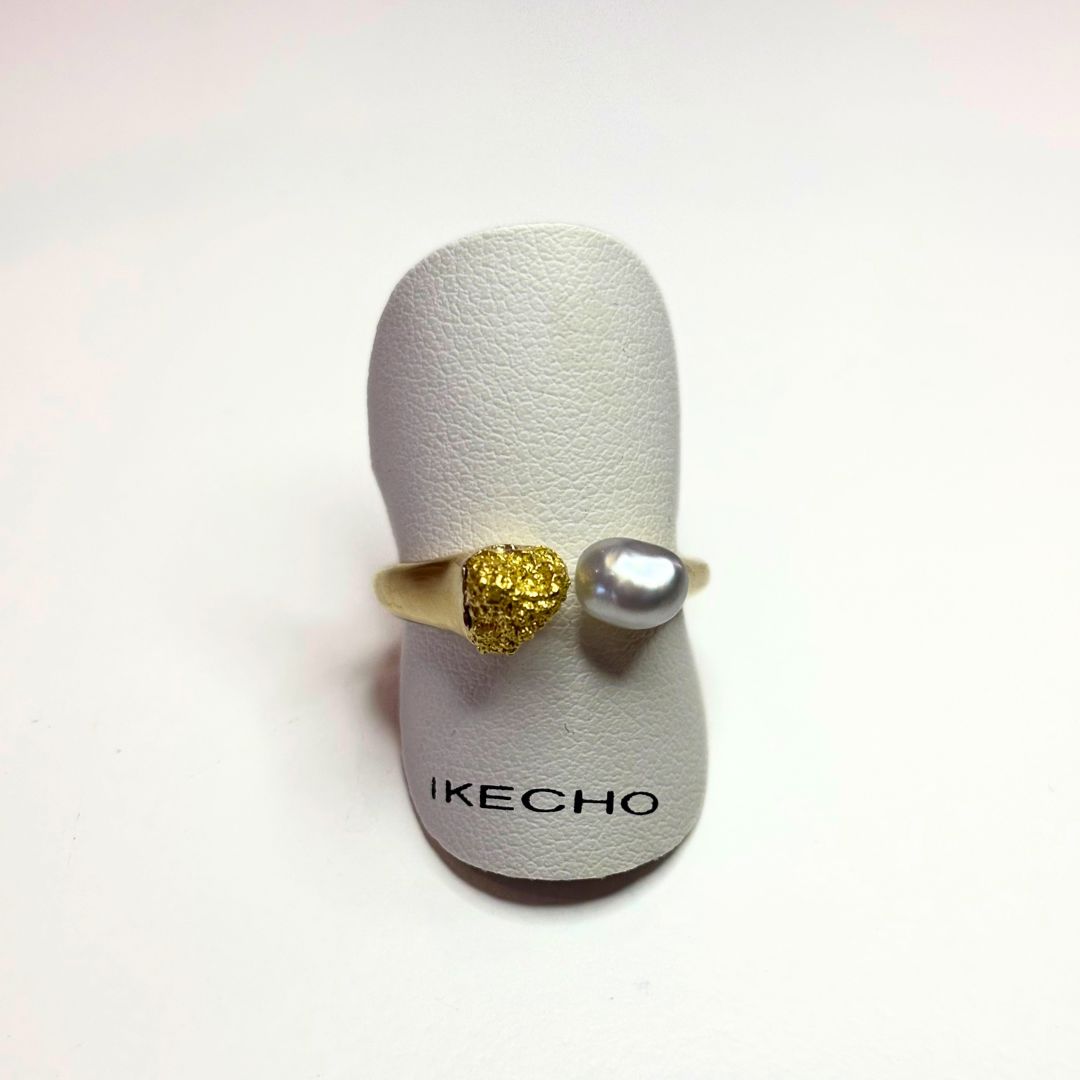
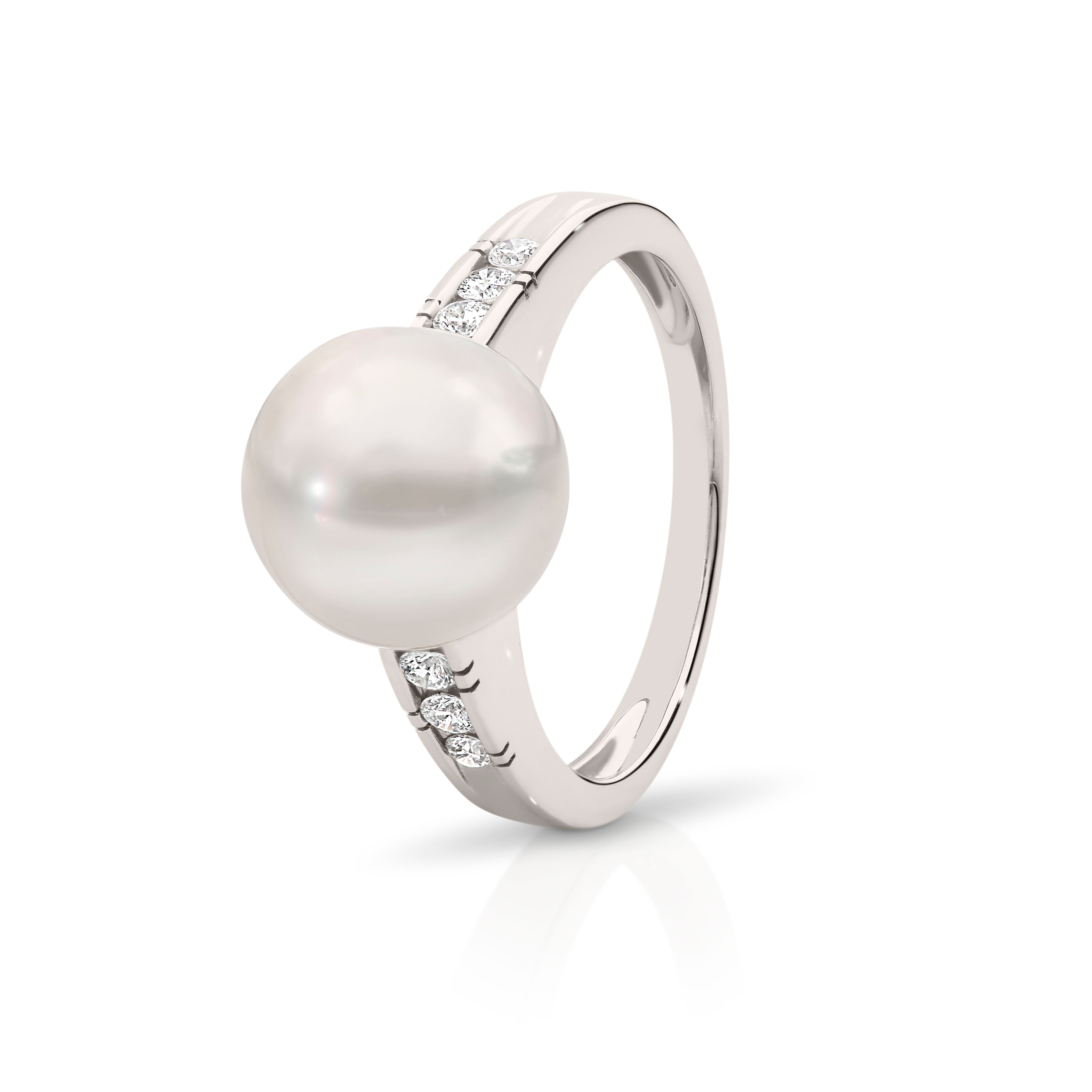
- SHAPE: Round, near-round, drop, button, oval, circle and baroque
- RARITY: Rare

South Sea pearls are renowned for their understated elegance and extraordinary natural beauty.
Cultivated in the Pinctada maxima, one of the world’s largest pearl producing oysters, they develop a remarkably thick nacre that creates their signature soft, luminous glow. Their generous size, natural rarity and luxurious appearance place them among the most coveted pearls in the world.
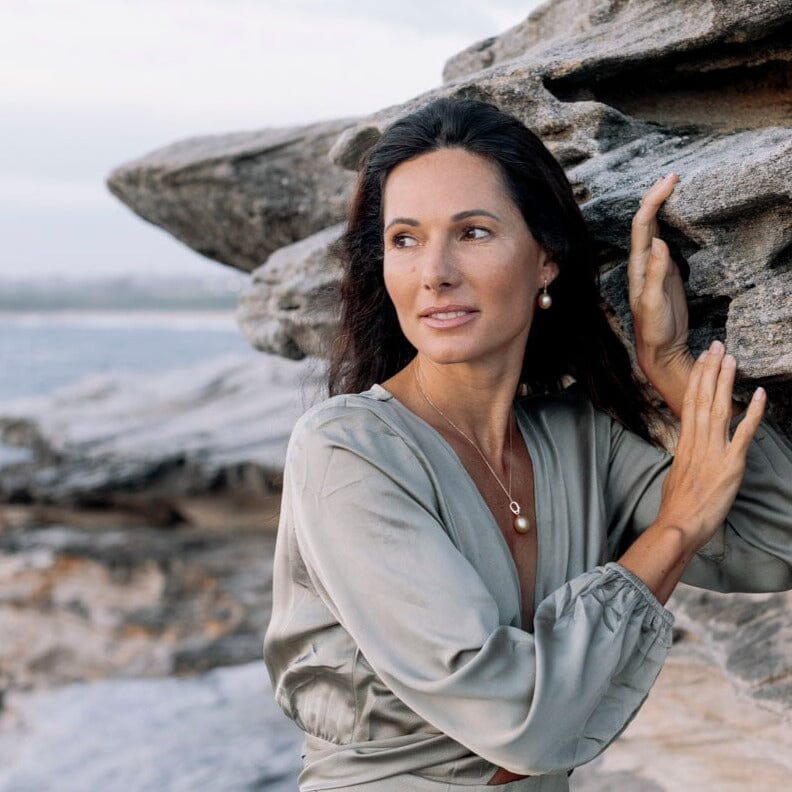
Elegant yet effortless, South Sea pearls embody quiet luxury and timeless sophistication.
South Sea pearls are genuine cultured saltwater pearls renowned for their generous size, thick nacre and soft, luminous lustre.
Our South Sea pearls are cultivated in the pristine tropical waters of the Timor and Arafura Seas, stretching from northern Australia, including Western Australia and the Northern Territory, to Indonesia. Regardless of where they are cultivated within this region, they are grown in the same silver lipped or gold lipped Pinctada maxima oyster over an extended period, allowing them to develop:
- Generous pearl sizes
- Thick layers of nacre
- A soft, luminous lustre
- Beautiful natural colours
- Distinctive shapes and character
Australian South Sea pearls are particularly prized for their exceptional quality, naturally beautiful white and silver tones and distinctive satin lustre.
Every South Sea pearl is naturally unique, with its own variations in colour, shape, surface and lustre. These individual characteristics are part of the pearl’s natural beauty and make every piece truly one of a kind.
South Sea pearls are among the rarest and most sought after pearls in the world. Their value reflects the time, skill and care required to cultivate them, along with their exceptional natural beauty.
South Sea pearls generally range from approximately 8mm to 20mm, with larger pearls being especially rare and valuable. To begin the cultivation process, a skilled technician carefully inserts a single bead nucleus and a small piece of mantle tissue into the Pinctada maxima oyster. Each oyster produces only one pearl at a time.
The pearl is then grown over an extended period, allowing thick layers of nacre to form around the nucleus and create its signature soft, luminous lustre.
Their value is influenced by:
- Rarity and limited production
- Generous pearl size
- Thick, high quality nacre
- Exceptional natural lustre
- Beautiful natural colours
- Shape and surface quality
- The time and expertise required to cultivate each pearl
No two South Sea pearls are exactly alike. Their natural variations and individual character make every pearl unique, adding to their beauty, rarity and enduring value.
South Sea pearls are celebrated for their beautiful natural colours, which are created by the Pinctada maxima oyster without the need for artificial colour treatments.
Their natural colour palette includes:
- White
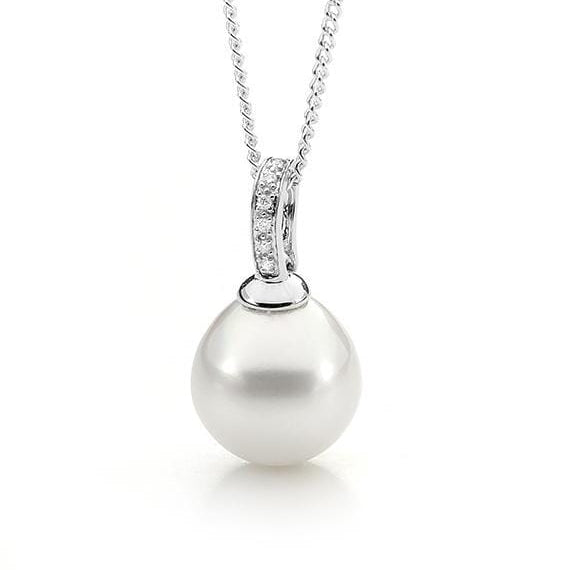
- Silver
- Cream
- Ivory
- Champagne
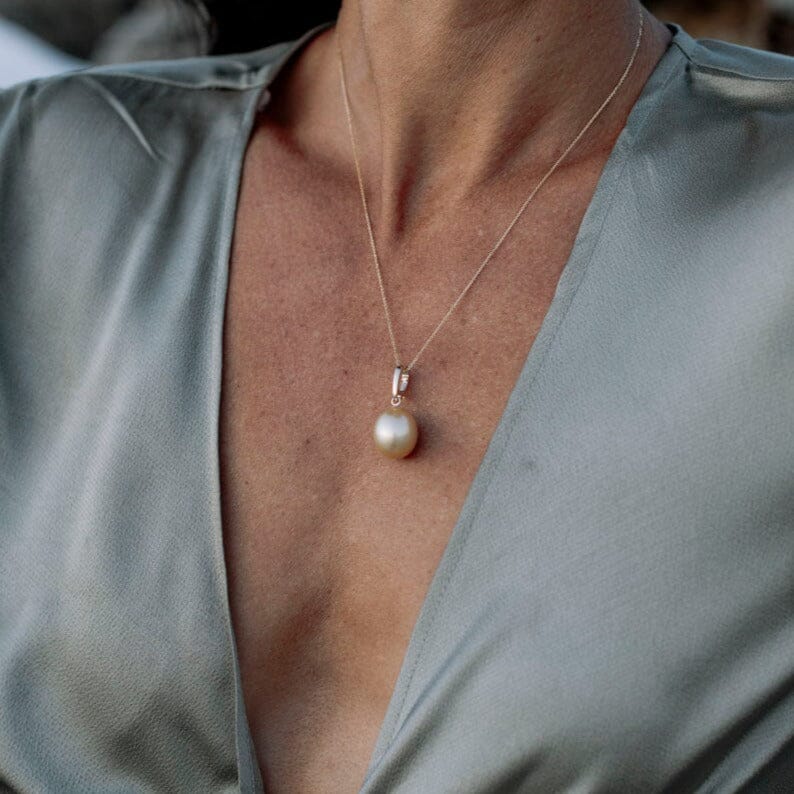
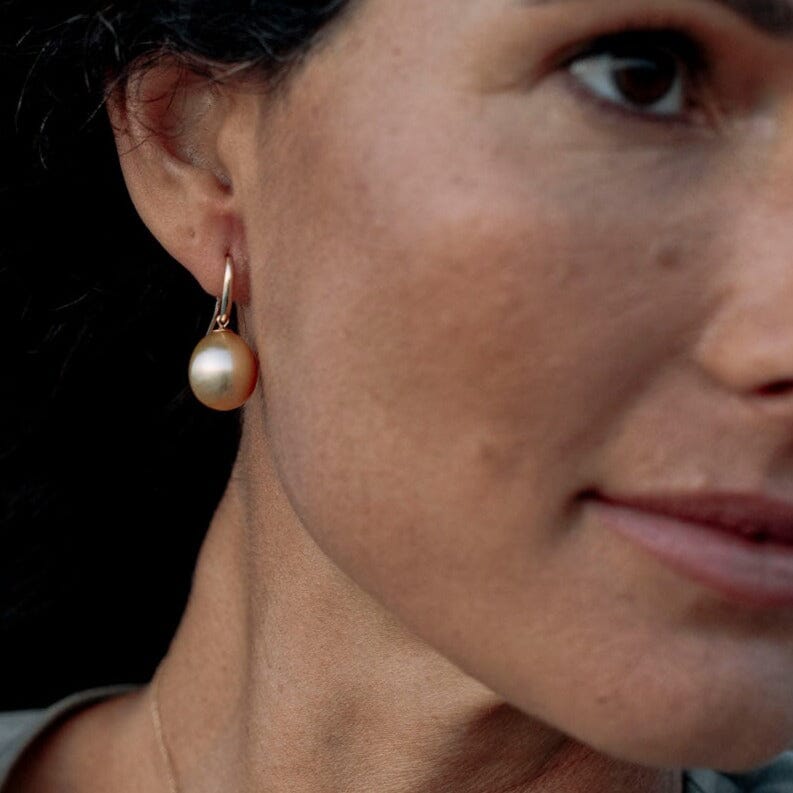
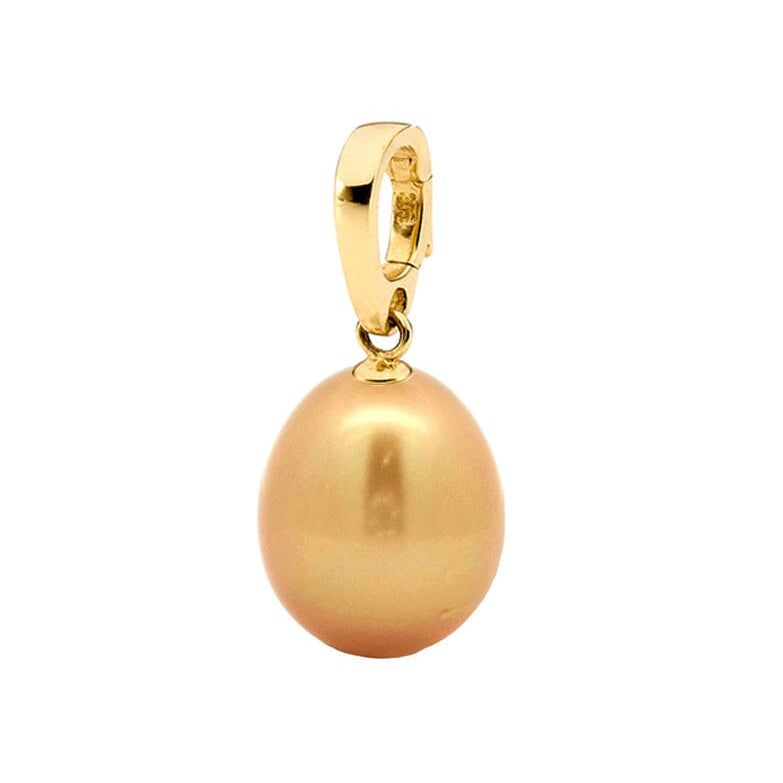
- Soft gold
- Deep gold
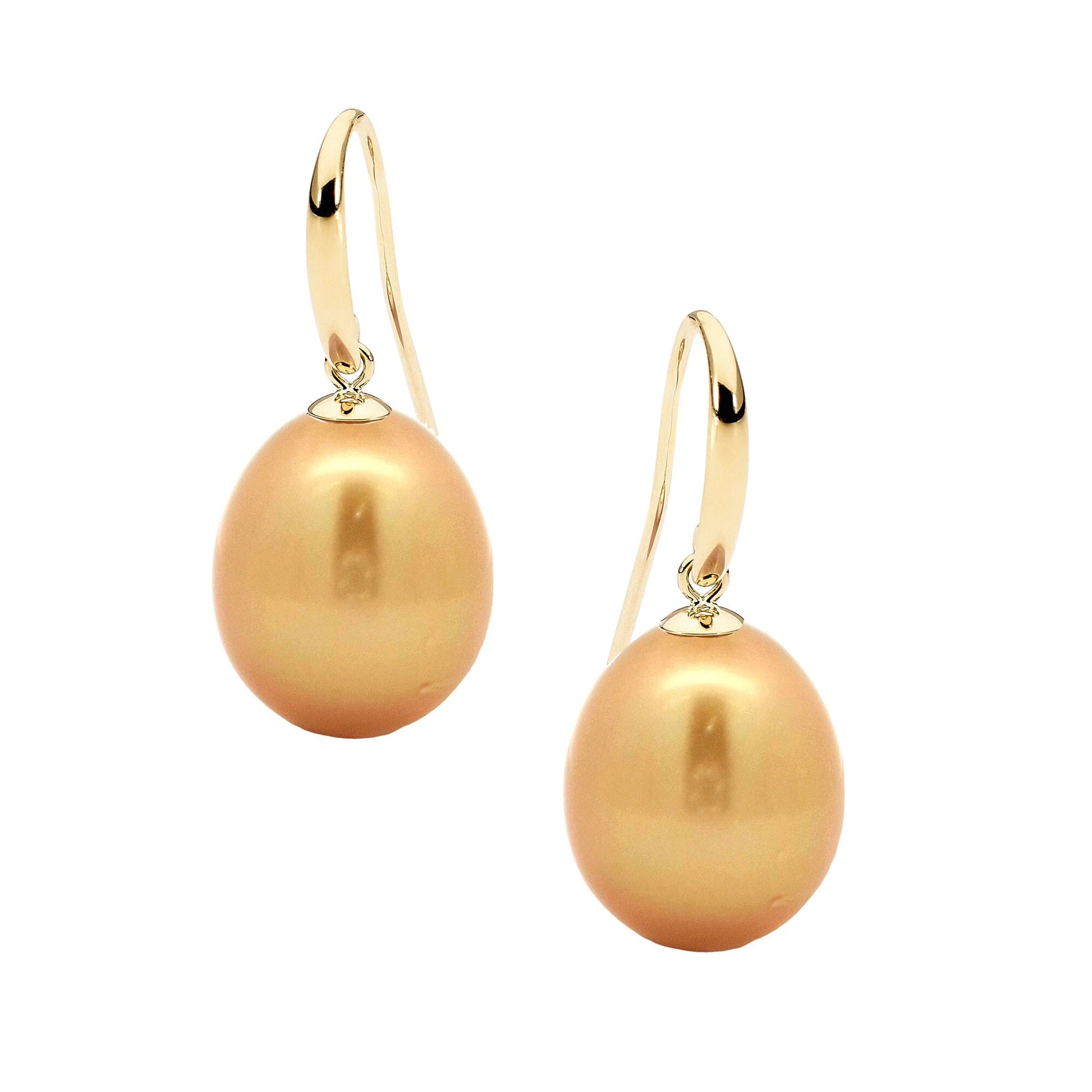
Silver lipped Pinctada maxima oysters generally produce white and silver pearls, sometimes with delicate pink, blue or green overtones. Gold lipped oysters produce warm shades ranging from soft champagne to rich golden hues.
Australian South Sea pearls are particularly renowned for their luminous white and silver tones, while golden South Sea pearls are predominantly cultivated in Indonesia and the Philippines.
Each pearl’s colour and overtone are naturally unique, giving it an individual beauty and character.
South Sea Pearls vs Edison Freshwater Pearls
South Sea Pearls
Cultivated in the saltwater Pinctada maxima oyster
Grown in the tropical waters of northern Australia and Indonesia
One bead nucleus is inserted into each oyster
Each oyster produces one pearl at a time
Generally available in sizes from approximately 8mm to 20mm
Known for their thick nacre and soft, satin lustre
Naturally found in white, silver, cream, champagne and golden tones
Rare and highly valued due to their lengthy cultivation process and limited production
Edison Freshwater Pearls
Genuine cultured pearls grown in freshwater mussels
Primarily cultivated in lakes, rivers and ponds in China
Bead nucleated to encourage a larger, rounder pearl
Known for their generous size and round or near round shapes
Generally available in sizes from approximately 8mm to 16mm
Display a bright, reflective lustre
Available in white, cream, peach, pink, lavender and purple tones
More affordable than South Sea pearls of a similar size
Offer a luxurious look at a more accessible price










Frequently Asked Questions
About South Sea pearls
South Sea pearls are luxurious cultured saltwater pearls primarily cultivated in Australia, Indonesia and the Philippines. Grown in the silver-lipped or gold-lipped Pinctada maxima oyster, they are renowned for their exceptional size, thick nacre and soft satin lustre.
Their naturally beautiful colours range from luminous white and silver to cream, champagne and rich gold. Every South Sea pearl has its own distinctive shape, surface, colour and character, making each one naturally unique.
Yes. South Sea pearls are genuine cultured saltwater pearls grown inside silver-lipped or gold-lipped Pinctada maxima oysters. Although the cultivation process is initiated by skilled pearl farmers, each pearl is formed by the oyster through the natural deposition of layers of nacre.
Cultured South Sea pearls are real pearls, not synthetic or imitation pearls.
South Sea pearls are expensive because they are rare, take several years to cultivate and are produced in limited quantities. The large Pinctada maxima oyster requires carefully managed marine conditions, and only a small proportion of each harvest produces pearls of exceptional quality.
Their value is determined by size, lustre, surface quality, shape, colour and nacre quality. Large, round South Sea pearls with strong lustre, desirable natural colour and minimal surface characteristics are especially rare and valuable.
There is no single colour that is always the most valuable. Among Australian South Sea pearls, luminous white pearls with subtle pink overtones are often especially prized. Among golden South Sea pearls, rich, deeply saturated golden colours generally command higher prices.
Colour is only one factor in a pearl’s value. Size, lustre, shape, surface quality and nacre quality also play an important role. A large, round pearl with exceptional lustre and minimal surface characteristics may be more valuable than a rarer-coloured pearl of lower overall quality.
South Sea pearls are primarily cultivated in the warm, pristine waters of Australia, Indonesia and the Philippines.
Australian South Sea pearls are mainly grown along the remote northern and north-western coastline and are renowned for their luminous white and silver tones. Indonesia and the Philippines are particularly known for cultivating golden South Sea pearls in shades ranging from champagne to rich gold.
South Sea pearls typically range from approximately 8mm to 20mm, making them the largest cultured pearl variety. Most commonly measure between 9mm and 16mm, while pearls larger than 16mm are considered rare. Exceptional examples can exceed 20mm.
A pearl’s size is measured across its diameter in millimetres. Larger South Sea pearls generally command higher prices, particularly when they also possess strong lustre, an attractive shape and minimal surface characteristics.
South Sea pearls are cultured in saltwater Pinctada maxima oysters, primarily in Australia, Indonesia and the Philippines. Freshwater pearls are cultured in mussels, mainly in freshwater lakes and rivers in China.
The key differences include:
- Size: South Sea pearls are generally larger, commonly measuring 9–16mm. Freshwater pearls are usually smaller, although some varieties can also reach large sizes.
- Lustre: South Sea pearls are known for their soft, satin-like lustre. Freshwater pearls often display a brighter, sharper lustre.
- Colour: South Sea pearls naturally occur in white, silver, cream, champagne and gold. Freshwater pearls occur in white, cream, peach, pink and lavender tones.
- Shape: South Sea pearls are available in round, near-round, drop, oval, circle and baroque shapes. Freshwater pearls offer an especially broad variety of shapes.
- Rarity: A South Sea oyster generally produces one pearl at a time, while a freshwater mussel can produce multiple pearls.
- Value: South Sea pearls are typically more valuable because of their size, longer cultivation period, limited production and rarity.
Both are genuine cultured pearls. The right choice depends on your preferred size, lustre, colour, style and budget.
After nucleation, a South Sea pearl generally grows inside the oyster for approximately 18 months to two years. During this time, the Pinctada maxima oyster gradually deposits layers of nacre around the implanted nucleus.
The extended cultivation period helps South Sea pearls develop their thick nacre, generous size and distinctive satin lustre. Including the time required for the oyster to mature before nucleation, the complete cultivation process can take several years.
South Sea pearls are considered luxury pearls because of their rarity, exceptional size, thick nacre and distinctive satin lustre. They require carefully managed marine conditions and generally grow for approximately 18 months to two years after nucleation.
Only a limited proportion of each harvest produces pearls with exceptional lustre, attractive colour, desirable shape and minimal surface characteristics. Large, round pearls of outstanding quality are especially rare.
South Sea pearls are rare because they are produced by the Pinctada maxima oyster, which requires clean, carefully managed marine conditions and generally grows only one cultured pearl at a time.
After nucleation, each pearl usually takes approximately 18 months to two years to develop. Not every oyster accepts the nucleus or survives the cultivation process, and only a small proportion of harvested pearls achieve an exceptional combination of size, lustre, shape, colour and surface quality.
Large, round South Sea pearls with strong lustre and minimal surface characteristics are particularly rare, making them among the most valuable cultured pearls in the world.
